
Last updated November 22, 2026
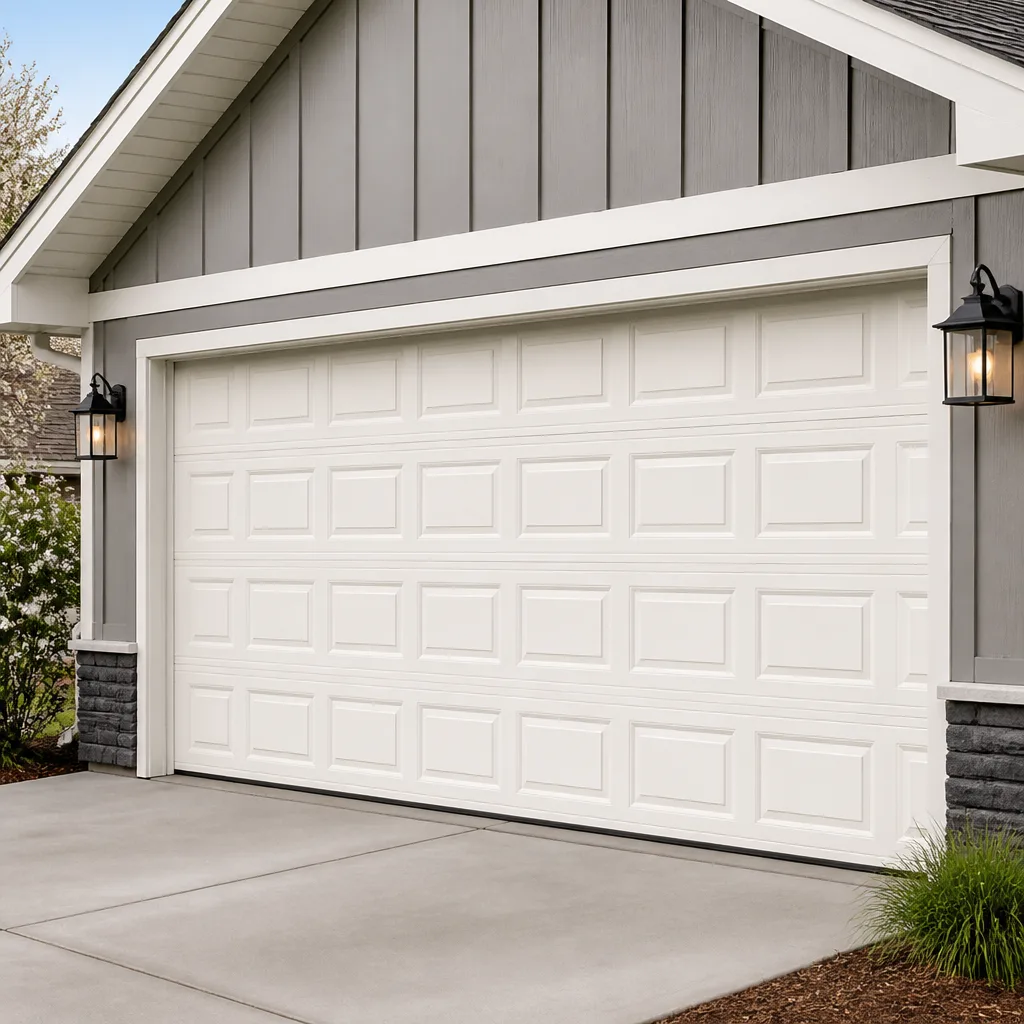 Raised-panel steel
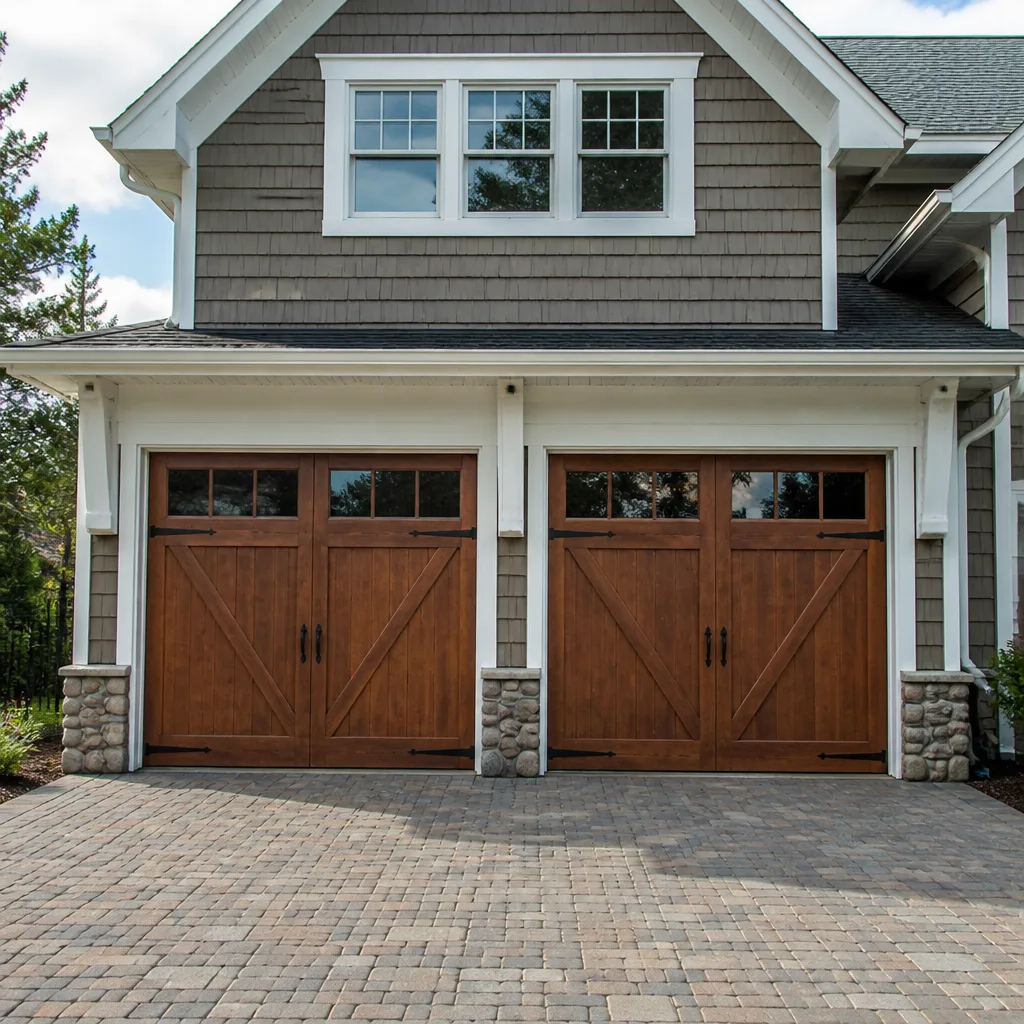 Carriage house
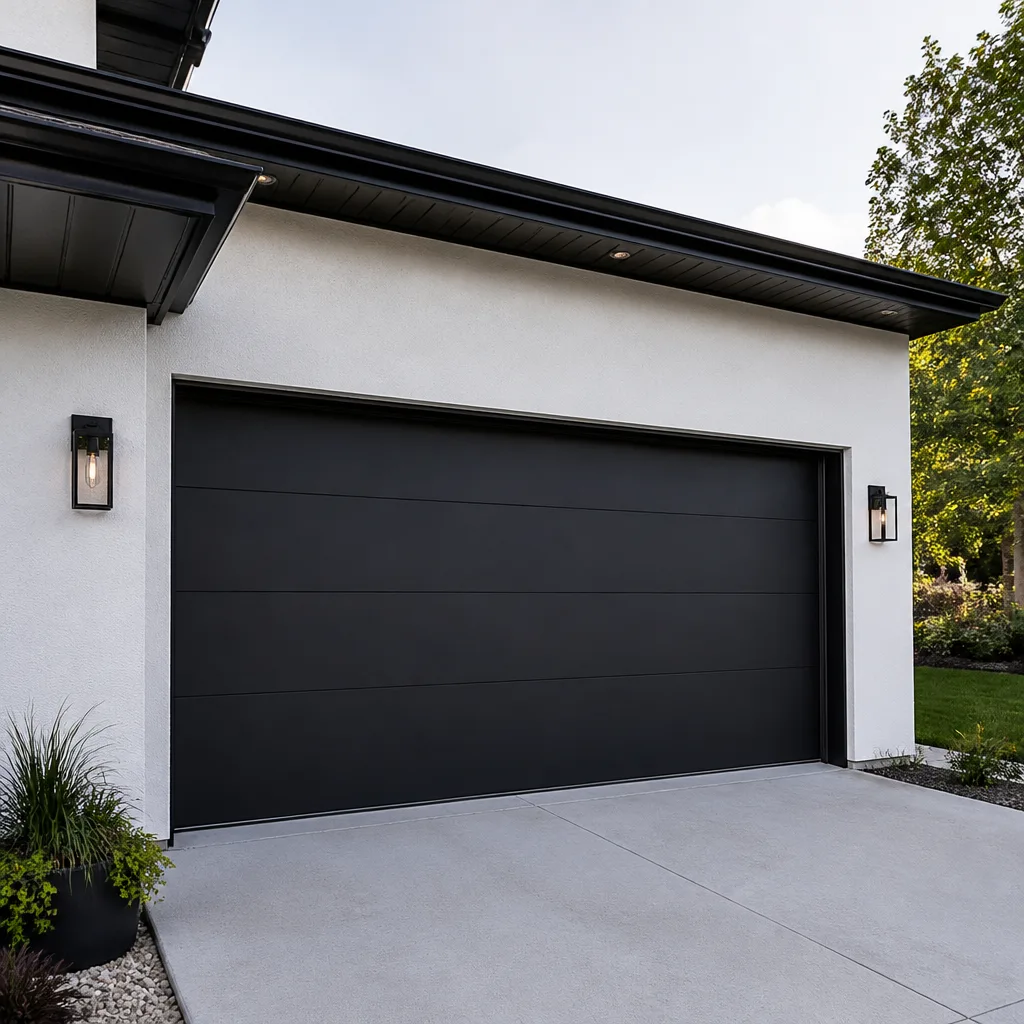 Modern flush
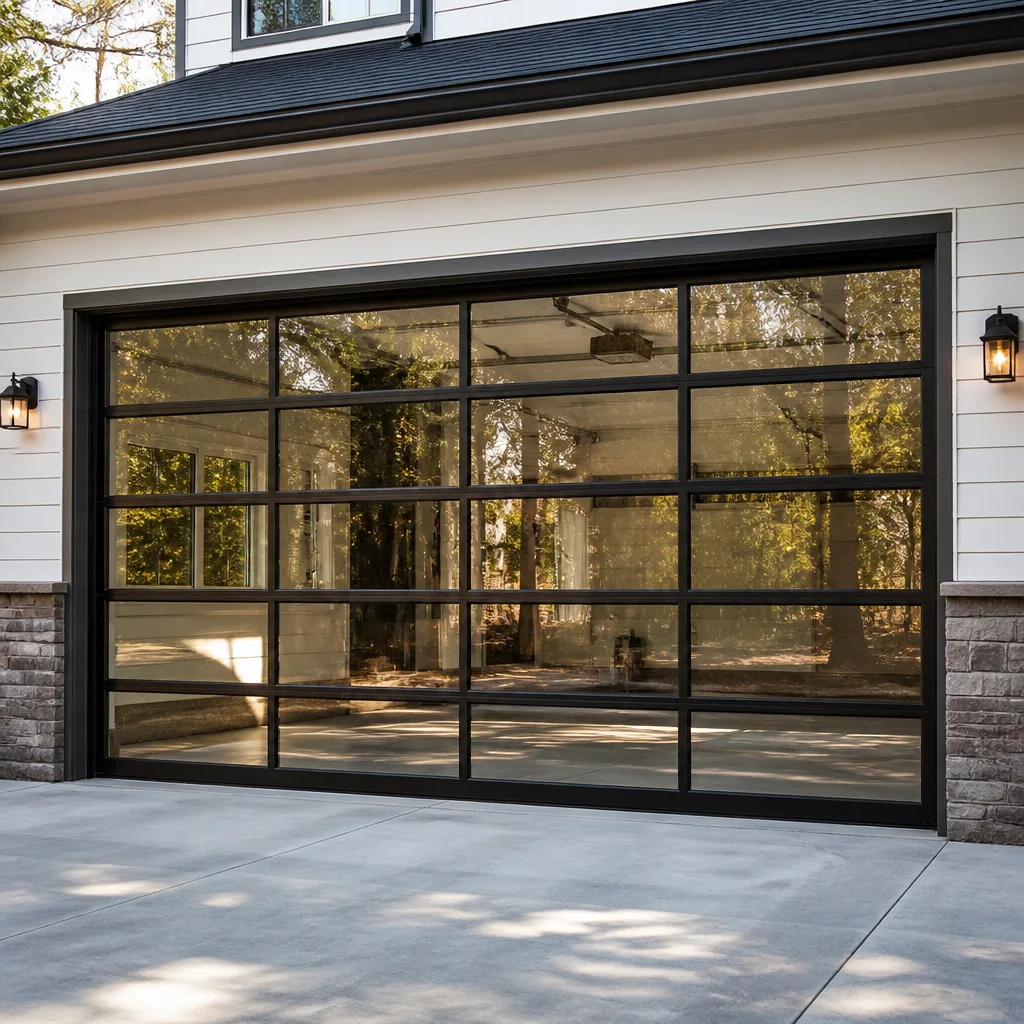 Full-view glass
 LiftMaster openers
 Chamberlain openers
Full 25-point door and opener safety check with every visit - springs, cables, rollers, tracks, and your LiftMaster or Chamberlain opener included
You get a price before we start. It does not change when the pro arrives.
Get your free estimateChoosing the Right Garage Door Brand: A Buyer’s Guide for Eldersburg
The name stamped on a garage door tells you far less than the gauge of its steel, the cycle rating on its springs, and whether its bottom seal is built for a place with 15-degree winters and 95-degree summers. That’s the counterintuitive part of this whole decision. Brand marketing rarely mentions any of those three things, which is exactly why so many homeowners in Eldersburg end up paying for a name instead of a door that holds up. This guide walks through the specs that actually matter, compares the major brands honestly, and shows you how to read a warranty so you know what you’re really getting.
Quick Answer
There’s no single best garage door brand in Eldersburg. The right pick comes down to matching a specific product line to your house type, your daily use, and your budget, then checking the four specs that actually drive longevity: steel gauge, spring cycle rating, thermal break design, and bottom seal material. Clopay, Amarr, Wayne Dalton, and CHI all build solid doors at their upper tiers, and the differences between them at any given price point show up in the specs, not the logo.
Styles & brands we work with
- Raised-panel steel
- Carriage house
- Modern flush
- Full-view glass
- LiftMaster openers
- Chamberlain openers
Table of Contents
- The Four Specs That Actually Matter
- Clopay, Amarr, Wayne Dalton, and CHI Compared
- What Each Price Tier Really Gets You
- Why Opener Brand Is a Separate Decision
- The Single-Brand Installer Problem
- Reading Warranties as a Quality Signal
- Matching a Door to Eldersburg’s Climate
- A Step-by-Step Way to Choose
The Four Specs That Actually Matter
When we look at a door a homeowner is considering, four numbers tell us more than any brochure. Steel gauge is the first. Gauge is a thickness measure, and lower numbers mean thicker steel. A 24-gauge door and a 27-gauge door can look identical on a showroom floor and behave completely differently after five years of daily cycling. The thicker steel holds its shape, resists dents, and keeps the sections from sagging. Thinner steel is lighter, which is easier on the opener but more prone to denting and flexing.
The second spec is the spring cycle rating. Every set of torsion springs is rated for a number of open-and-close cycles, and that rating is where the door’s real lifespan lives. A standard spring might be rated around 10,000 cycles. A higher-cycle spring might be rated at 15,000 or more. If your household opens the door several times a day, that difference is years of service before the springs need replacing. It’s also why garage door spring repair is such a common call in Eldersburg: the spring is the part that quietly works the hardest and wears out first.
The third is thermal break design. A thermal break is a barrier inside the door’s frame that stops cold from traveling through the metal from outside to inside. On an uninsulated steel door, there’s nothing to stop that transfer, and the interior face gets cold and sweats. A door with a proper thermal break and insulation holds its temperature much better. The fourth is the bottom seal material. That’s the rubber or vinyl strip along the floor, and it’s the part most exposed to ice, grit, and sun. A cheap seal cracks and lets water and cold air in; a good one stays flexible.
- Steel gauge: lower number means thicker steel, better dent resistance
- Spring cycle rating: how many open-close cycles before springs wear out
- Thermal break: stops cold transfer through the door frame
- Bottom seal material: the weather barrier that fails first if it’s cheap
Clopay, Amarr, Wayne Dalton, and CHI Compared
We work with these brands daily, and each one has product lines that perform well and entry lines that are built to a price. Here’s how they stack up on the specs that matter, based on what we see in the field around Eldersburg.
Clopay builds a wide range of product lines, and the step-up between their entry and mid-tier doors is real. Their mid-tier insulated doors carry thicker steel and better spring ratings than the base models. If you’re comparing two Clopay quotes, the gauge and the cycle rating are usually where the difference lives.
Amarr tends to offer strong value in the mid-range, with insulated doors that hold up well and a good spread of styles. Their higher tiers deliver better thermal design. The entry-level lines are lighter on steel, so they suit a lightly used door better than a busy one.
Wayne Dalton covers a broad range, and their insulated models are worth a close look for attached garages where you feel the cold through the wall. Their hardware and opener compatibility is generally straightforward.
CHI is known for solid steel construction and good warranty terms on their better lines, and their catalog skews toward heavier-duty residential doors.
The honest takeaway: at a similar price, two doors from different brands can be within one gauge and a few thousand cycles of each other. The brand isn’t the differentiator. The line within the brand is. Ask for the gauge and the cycle rating in writing, and the comparison becomes clear on paper.
What Each Price Tier Really Gets You
Price tiers correspond to specs. Here’s how we map them, and it applies across Clopay, Amarr, Wayne Dalton, and CHI alike.
- Entry tier. Thinner steel (often in the 27-gauge range), an uninsulated or lightly insulated panel, a standard-cycle spring set, and a basic seal. These doors do the job on a lightly used, detached garage. On a busy attached garage in an Eldersburg winter, they show wear faster.
- Mid tier. Thicker steel (often 24 to 25 gauge), real insulation with a thermal break, a higher-cycle spring set, and a better bottom seal. This is where most households land, and it’s the tier where the thermal difference actually shows up on a cold morning.
- Upper tier. Heavier steel, full insulation, higher-cycle springs (often rated well above the entry level), premium seals, and better hardware. These doors carry the longest warranties and the least fuss over time.
One thing worth knowing: the spring cycle rating is often the cheapest spec to upgrade at the time of installation and the most expensive to fix later. If you’re choosing between a fancier look at the entry tier and a plainer door at the mid tier with better springs, the mid-tier door usually serves you better in Carroll County’s swings from deep cold to summer heat. A written estimate should spell out the gauge, the insulation, and the spring rating line by line.
Why Opener Brand Is a Separate Decision
The opener and the door are two systems, and they don’t have to match. You can hang a Clopay door on a LiftMaster opener, or an Amarr door on a Chamberlain unit, without any problem, as long as the opener’s lifting capacity suits the door’s weight and the safety reverse works correctly. Where people get into trouble is buying a door and an opener from different sources without checking compatibility, then discovering the wall control, the safety sensors, or the smart-home features don’t talk to each other.
Modern openers add another layer. LiftMaster and Chamberlain share the myQ ecosystem, so their smart features are consistent across those brands. Genie uses Aladdin Connect on its smart-enabled lines. If remote monitoring or phone control matters to you, pick the opener with the ecosystem you want and let everything else follow. We diagnose and service openers across these brands, which is part of why garage door opener repair doesn’t usually require swapping brands to fix a connectivity or logic board issue.
- Match the opener’s lifting capacity to the door’s weight, not its brand
- Confirm the wall control and safety sensors are compatible before buying
- Decide whether you want myQ (LiftMaster/Chamberlain) or Aladdin Connect (Genie)
- Check that the door’s warranty isn’t voided by an oversize opener
The Single-Brand Installer Problem
Buying a door from an installer who carries only one brand feels simple, and for a year or two it usually is. The limitation shows up around year three, when a part fails or a panel gets damaged and your only option is the same installer with the same one brand. You lose the ability to compare. You also lose the ability to hear an honest “you don’t need a whole new door, you need this one part” if the installer’s business is built on selling doors.
In our experience, the brand-agnostic approach serves homeowners better. When we look at a door, we’re not steering you toward a particular name because it’s the one we carry. We tell you whether the current door is worth repairing or replacing, and if it’s replacement, we lay out options across the brands that fit your specs. That’s also why we handle everything from garage door repair through full installation, so a door that’s beyond saving doesn’t send you hunting for a second company.
If you’re getting quotes in Eldersburg, ask each installer two questions: how many brands can you install, and what happens to my options if your one brand is back-ordered or the line is discontinued. The answer tells you a lot about who you’re dealing with.
Reading Warranties as a Quality Signal
A warranty’s length gets advertised. Its exclusions get buried. That’s where the real quality signal is. A long warranty with broad exclusions can tell you less than a shorter one with tight terms, because the fine print reveals what the maker actually stands behind.
- Check what the spring warranty covers. Springs are the wear part, and some warranties prorate them or exclude them entirely after a short window. A warranty that covers springs at full value for their rated cycles is telling you the maker trusts the rating.
- Look for a “pro-rated” clause. Pro-rated coverage means the payout shrinks each year. A three-year pro-rated warranty can be worth less than a one-year full-replacement warranty.
- Read the exclusions for insulation and seals. Some warranties exclude the bottom seal and hinges, which are the parts that fail first. If the wear parts aren’t covered, the headline number means little.
- Check whether the warranty depends on professional installation. Most do. A door installed by someone unqualified can void the coverage, so confirm the installer is qualified for that brand’s warranty terms.
- Compare the section and hardware coverage separately. Steel sections and moving hardware carry different terms, and the shortest one is the one you’ll actually hit.
Bring the warranty terms to the estimate conversation. A manufacturer that backs its springs and seals for their rated life is usually building a door worth buying, regardless of the name on the front.
Matching a Door to Eldersburg’s Climate
Eldersburg sits in a part of Maryland that swings from single-digit cold in winter to mid-90s heat in summer, and that range is hard on a garage door. The metal expands and contracts with the seasons, which is why a door that opens smoothly in July can feel stiff in January. The bottom seal gets exposed to ice and grit, and it shrinks and cracks if it’s cheap. The springs work against heavier loads in cold weather and carry more fatigue over a year of daily use than they would in a milder climate.
That combination points to specific choices. Insulation and a thermal break matter more here than in a place where the garage never gets cold. A good bottom seal rated for cold flexibility is worth the small upgrade. And the spring cycle rating matters because the door cycles every day through a wide temperature range. This is also why garage door repair in Eldersburg so often involves a seal or a spring rather than a structural failure of the door itself.
- Choose insulation and a thermal break for any attached garage
- Spec a cold-flexible bottom seal, not a basic vinyl strip
- Go up a spring cycle rating if the door runs more than a few times a day
- Ask for the gauge in writing so the seasonal load doesn’t punish thin steel
A Step-by-Step Way to Choose
Here’s the process we’d walk a neighbor through, in order. Each step narrows the field before price enters the picture.
- Define the use case. Is this a primary entry door that runs multiple times a day, or a lightly used detached-garage door? That sets the spring rating you need.
- Decide attached or detached. Attached garages in Eldersburg benefit from insulation and a thermal break; detached garages can often get away with less.
- Set the gauge floor. For a busy attached door, don’t go thinner than the mid-tier gauge. Ask each brand’s line for its gauge number.
- Pick two or three brands to compare at a matched tier. Compare Clopay against Amarr, or Wayne Dalton against CHI, at the same tier, not across tiers.
- Read the warranties side by side. Focus on spring, seal, and hardware coverage, and how long each lasts at full value.
- Check opener compatibility separately. If you’re keeping your opener, confirm the door’s weight is within its capacity. If you’re replacing it, choose the opener ecosystem you want.
- Get a written estimate that lists the specs. Gauge, insulation, spring rating, seal material, and warranty terms. If an estimate doesn’t list specs, ask for a version that does.
Follow those steps in order and you’ll have a shortlist built on specs, not logos. For the full scope of what a specialist handles, the Garage Door Repair Eldersburg page lays out the services.
Common Mistakes to Avoid
- Choosing on brand name alone. Two doors from the same brand at the same price can differ by a full gauge. Ask for the specs, not just the logo.
- Skipping the spring cycle rating. It’s the cheapest spec to upgrade at installation and the costliest to fix later. In Eldersburg’s temperature swings, the rating decides how long the door runs before the springs wear out.
- Buying from a single-brand installer. You lose comparison and you lose the honest repair-or-replace conversation. A brand-agnostic specialist can tell you which one is worth it.
- Ignoring the bottom seal. It’s the part that fails first in ice and grit. A cheap vinyl seal cracks, and then you’re replacing it within a couple of winters.
- Assuming a longer warranty is a better warranty. Read the exclusions, especially on springs and seals. A pro-rated three-year warranty can be worth less than a full one-year term.
- Mismatching the opener to the door. A door too heavy for the opener strains both. Match lifting capacity to door weight before you buy.
- Forgetting the thermal break on an attached garage. Insulation without a thermal break lets cold pass through the frame. If you feel cold through the wall, this is why.
See the difference
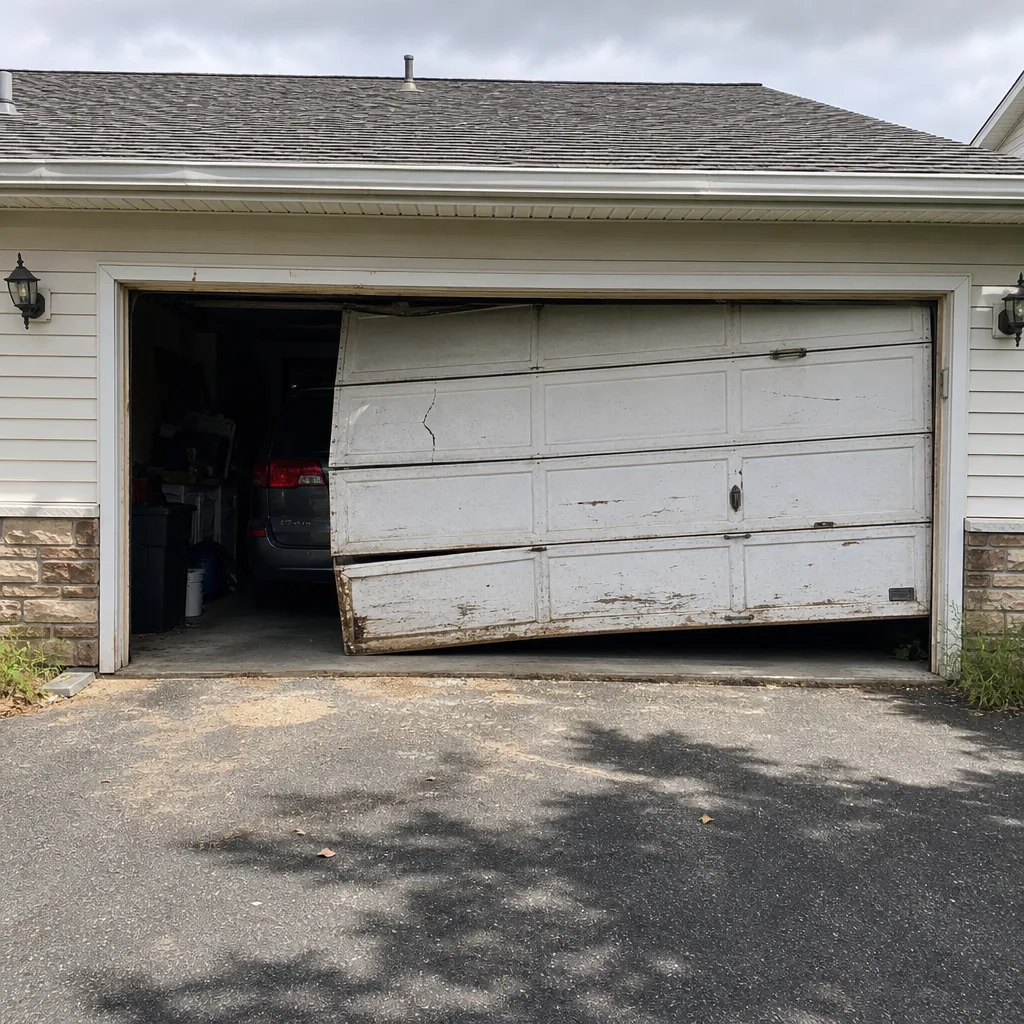 Before
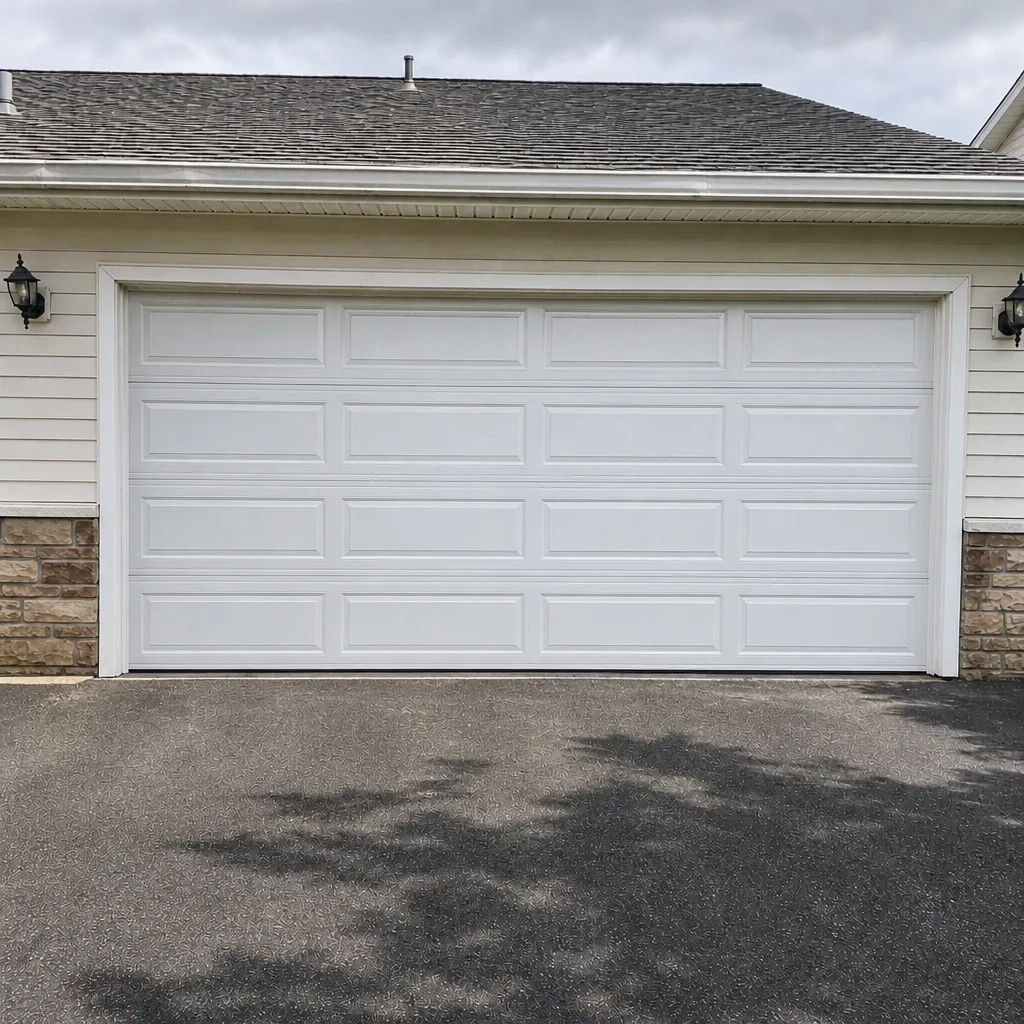 After
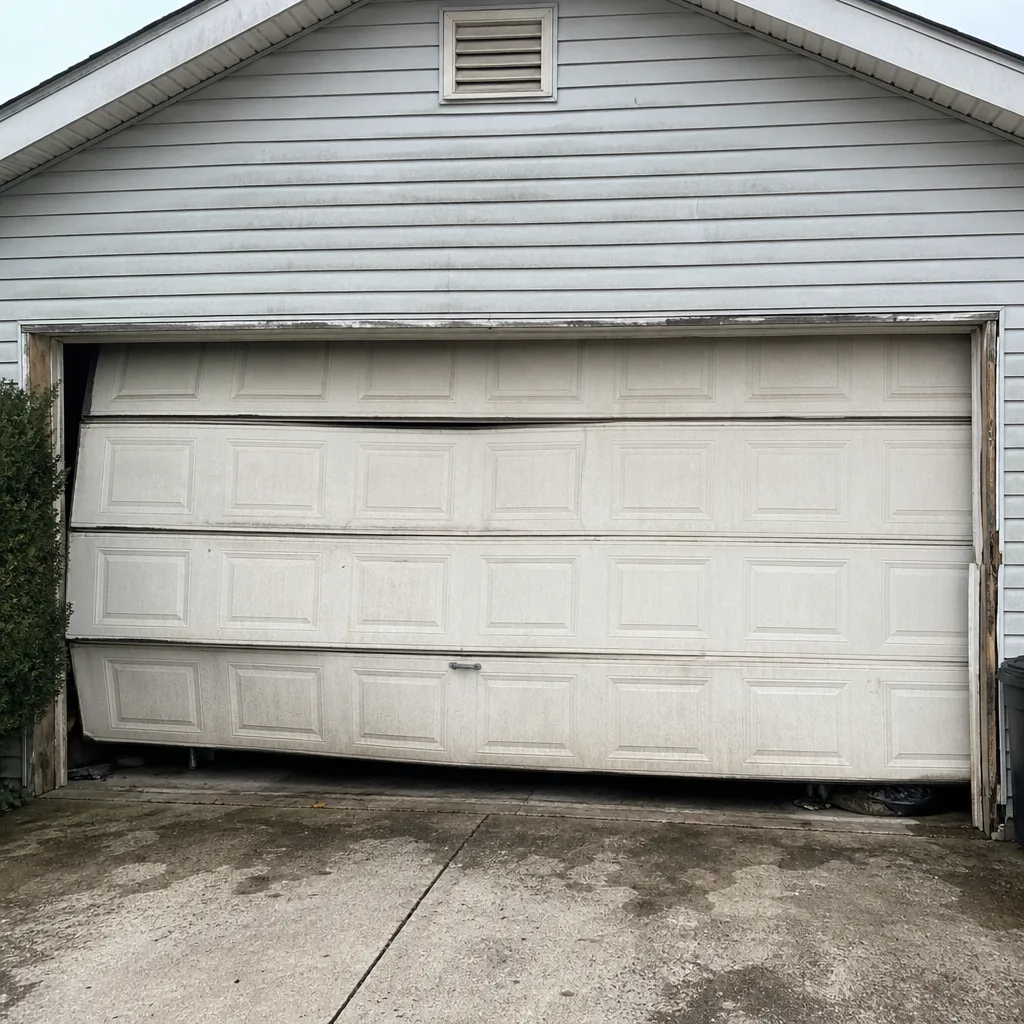 Before
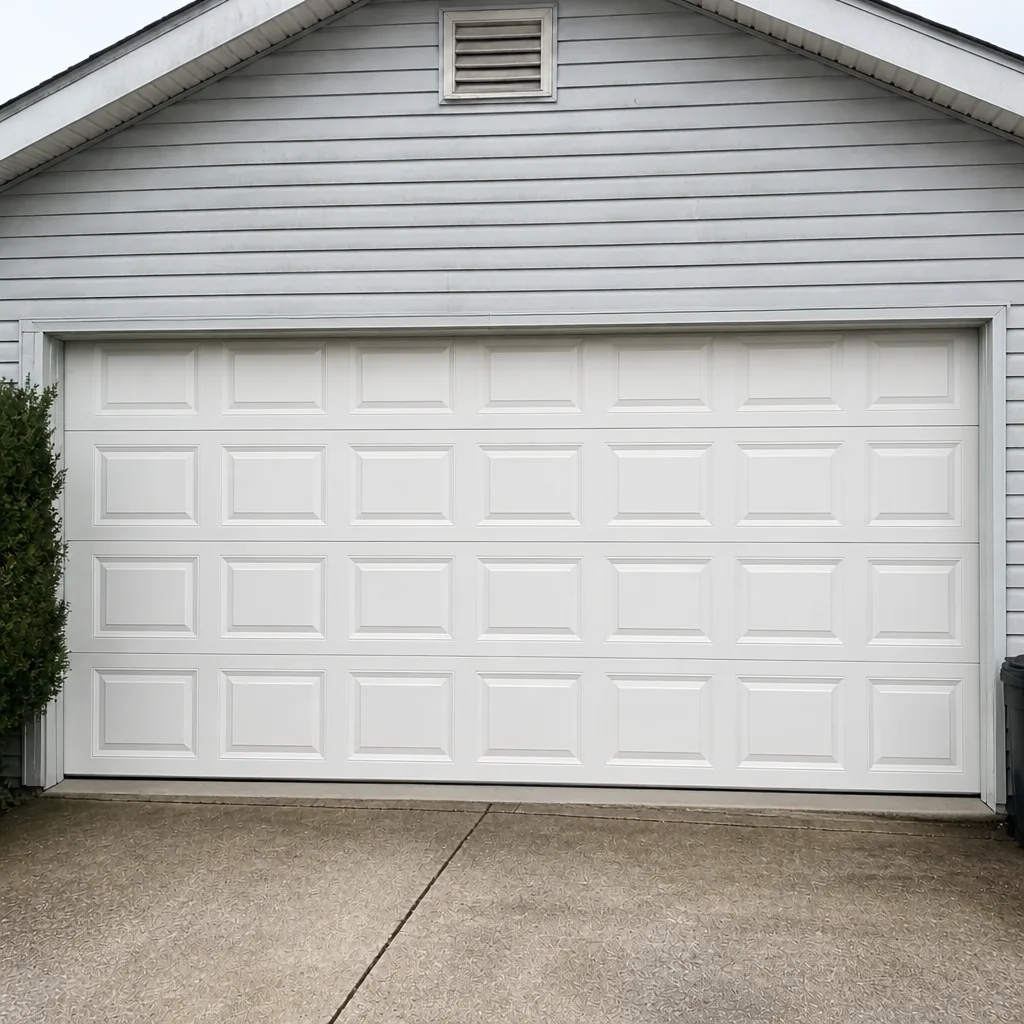 After
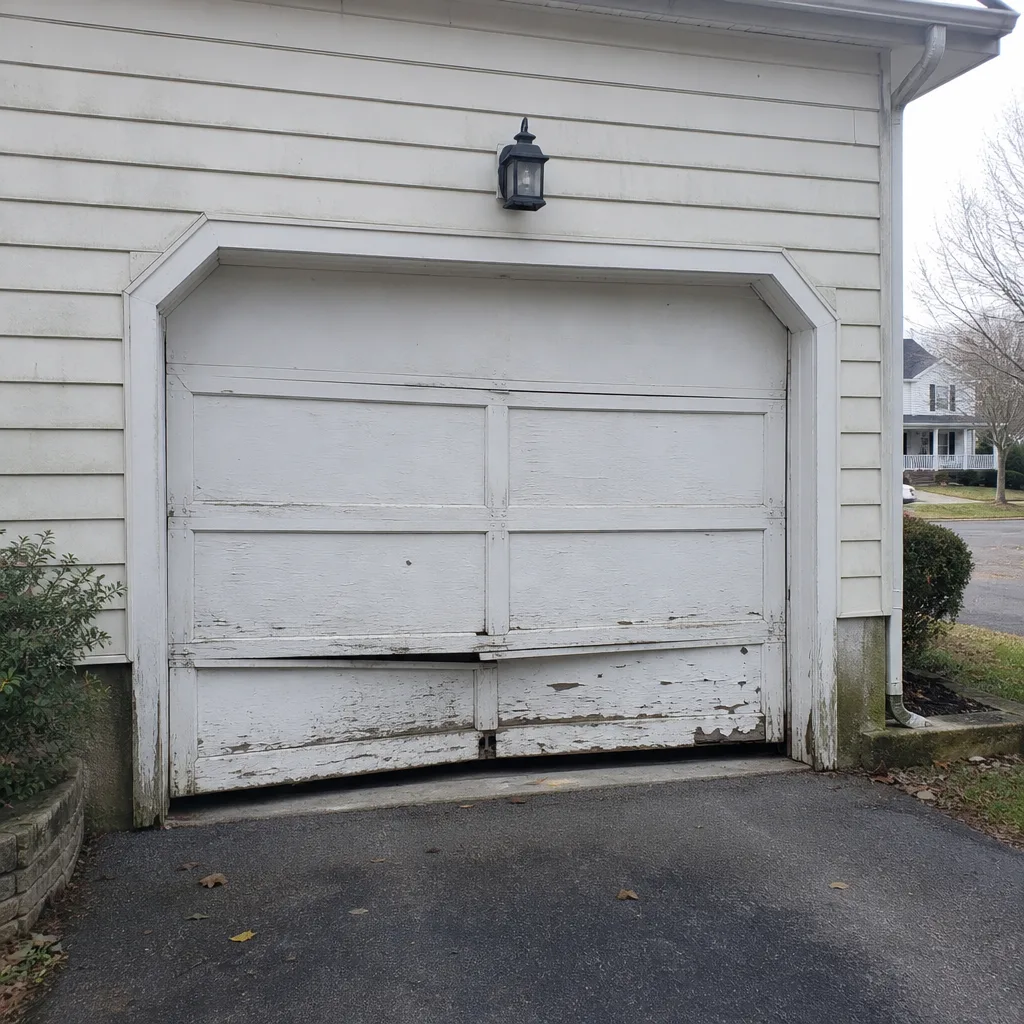 Before
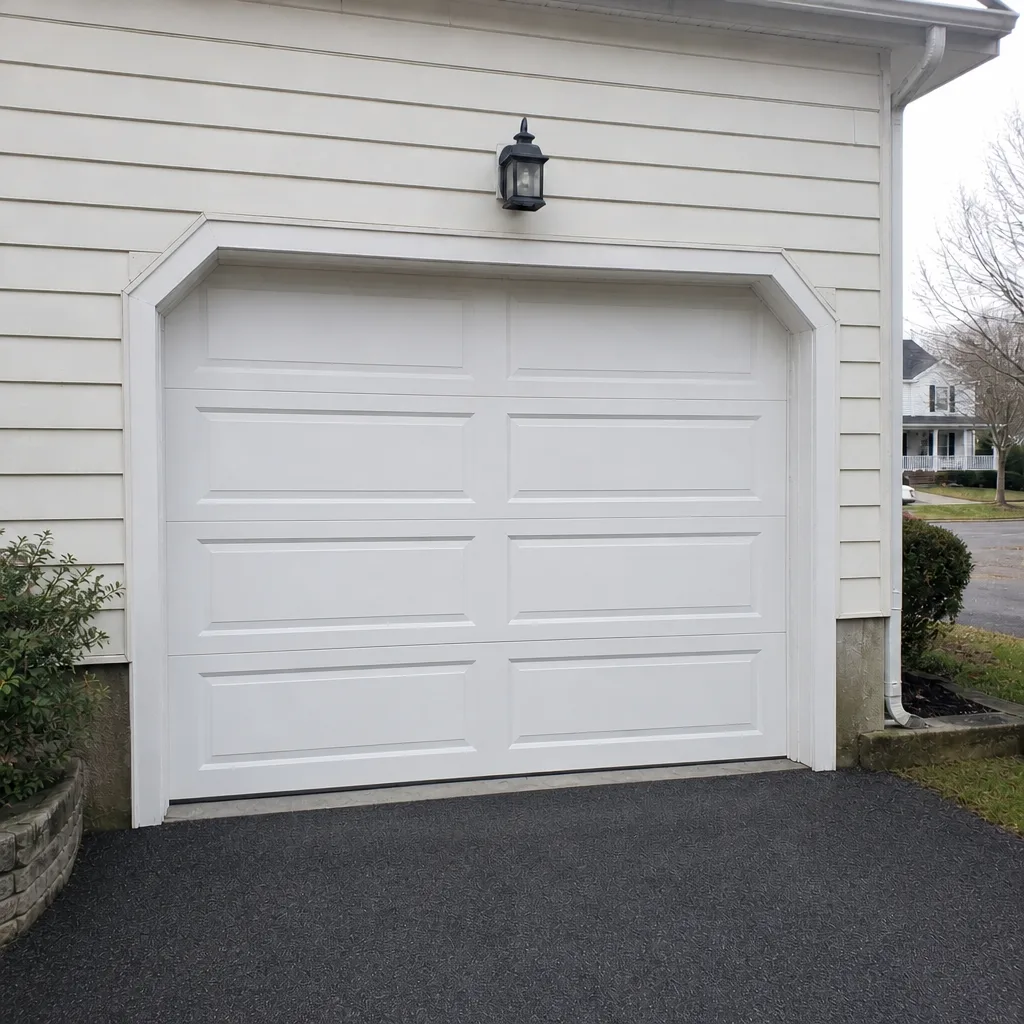 After
When to Call a Professional
Choosing a door is a decision you can research on your own with the specs above. What you shouldn’t take on yourself is spring work, opener wiring, or a door that’s off its tracks. Torsion springs store enormous energy, and a spring or cable under tension can cause serious injury if it releases unexpectedly. That’s a job for a trained technician, not a weekend project. We also recommend a professional look when a door has started to sag, when the opener reverses inconsistently, or when you’re weighing repair against replacement and want an honest answer. Garage Door Repair Eldersburg offers free estimates in Eldersburg. Call (877) 704-0356. We answer 24/7. Fast dispatch from 7am to 7pm, Sunday through Friday, and the price is quoted and agreed before any work starts.
Frequently Asked Questions
There isn’t one best brand; the best choice is the product line whose specs match your use case, house type, and budget. Clopay, Amarr, Wayne Dalton, and CHI all build quality doors at their mid and upper tiers. Compare steel gauge, spring cycle rating, thermal break, and bottom seal at the same tier, and the right door for your garage becomes clear. Call (877) 704-0356 for a free estimate and a spec-by-spec comparison.
Cost depends on size, insulation, steel gauge, and spring rating, and the written estimate from the local pro sets the final price. Because brands and tiers vary so widely, we don’t quote a single number over the phone. A free measure and a written price give you the exact figure for your door. Call (877) 704-0356 to schedule yours.
No. The opener and door are separate systems and don’t need to match as long as the opener’s lifting capacity suits the door’s weight and the safety reverse works. What matters is compatibility of the wall control, safety sensors, and smart features. If you want myQ, go LiftMaster or Chamberlain; if you want Aladdin Connect, go Genie. Call (877) 704-0356 and we’ll check compatibility for your setup.
For an attached garage in Eldersburg’s cold winters, prioritize insulation and a thermal break over brand name. Any of the major brands’ mid-tier insulated lines will hold temperature better than an entry-tier uninsulated door. Ask for the insulation and thermal break details in writing. Our technicians can walk you through the options on a free estimate; call (877) 704-0356.
Often yes, and we’ll tell you honestly which is worth it. Many doors that look beyond saving just need a spring, a seal, or a track adjustment. If the door is repairable, we recommend repair; if it’s genuinely at the end of its life, we quote installation across the brands that fit your specs. Call (877) 704-0356 for a free estimate.
Look at the exclusions more than the length. A real warranty covers springs at full value for their rated cycles, covers the bottom seal and hardware, and doesn’t shrink year by year with a pro-rated clause. Confirm that professional installation is required, because most warranties depend on it. Bring the terms to your estimate and ask questions; call (877) 704-0356 and we’ll help you read them.
The Bottom Line
The right garage door brand in Eldersburg is the one whose line matches your specs: steel gauge thick enough for daily use, a spring cycle rating that suits how often the door runs, a thermal break for an attached garage, and a bottom seal built for ice and grit. Compare Clopay, Amarr, Wayne Dalton, and CHI at the same tier, read the warranty exclusions, and keep the opener decision separate. Choose a brand-agnostic specialist who can diagnose, repair, or install and who quotes the price before work starts. That’s the whole method, and it beats any logo every time.
When you’re ready to compare doors with someone who works on all of them, Garage Door Repair Eldersburg can help. Our technicians have up to 9 years of experience, and we service equipment from LiftMaster, Chamberlain, Genie, Clopay, Amarr, Wayne Dalton, Craftsman, and Raynor. Call (877) 704-0356 for a free estimate. We answer 24/7. Fast dispatch from 7am to 7pm, Sunday through Friday.
Written by the team at Garage Door Repair Eldersburg.