
Last updated November 22, 2026
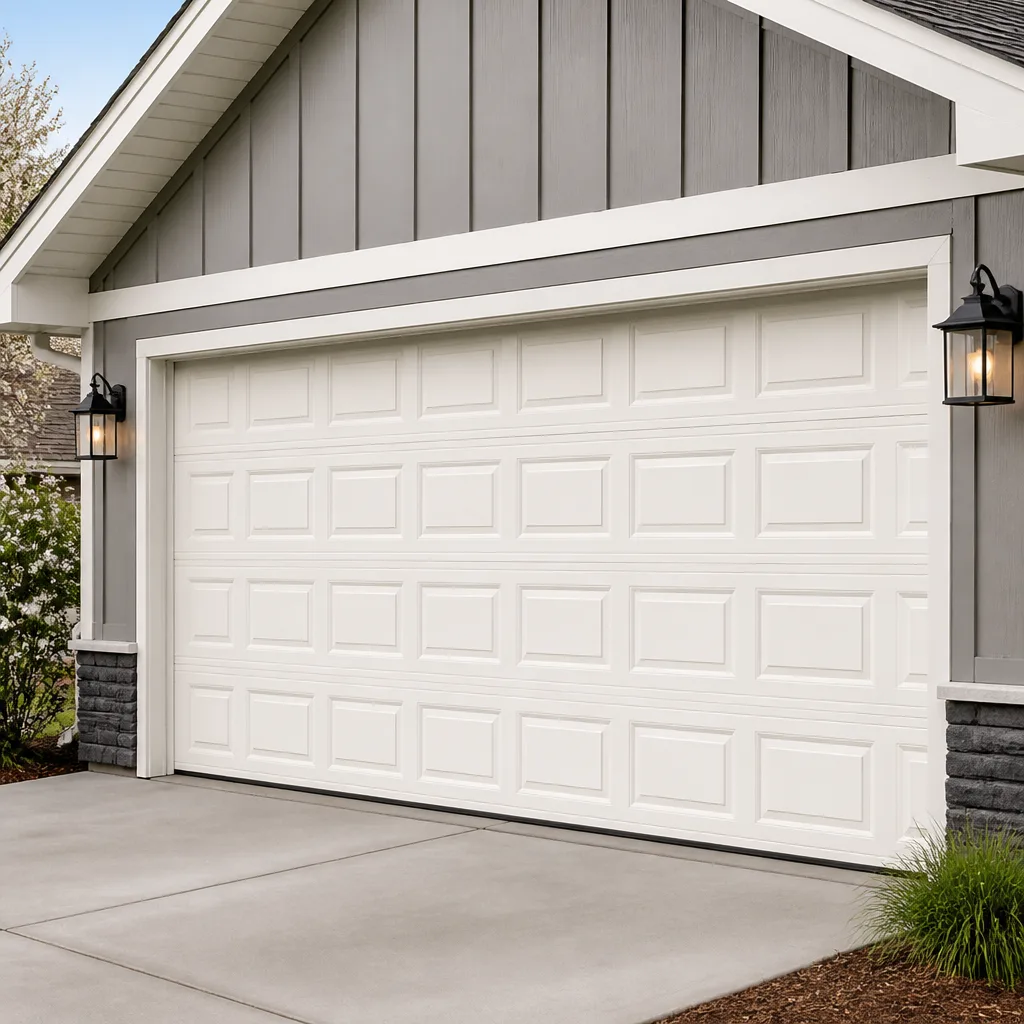 Raised-panel steel
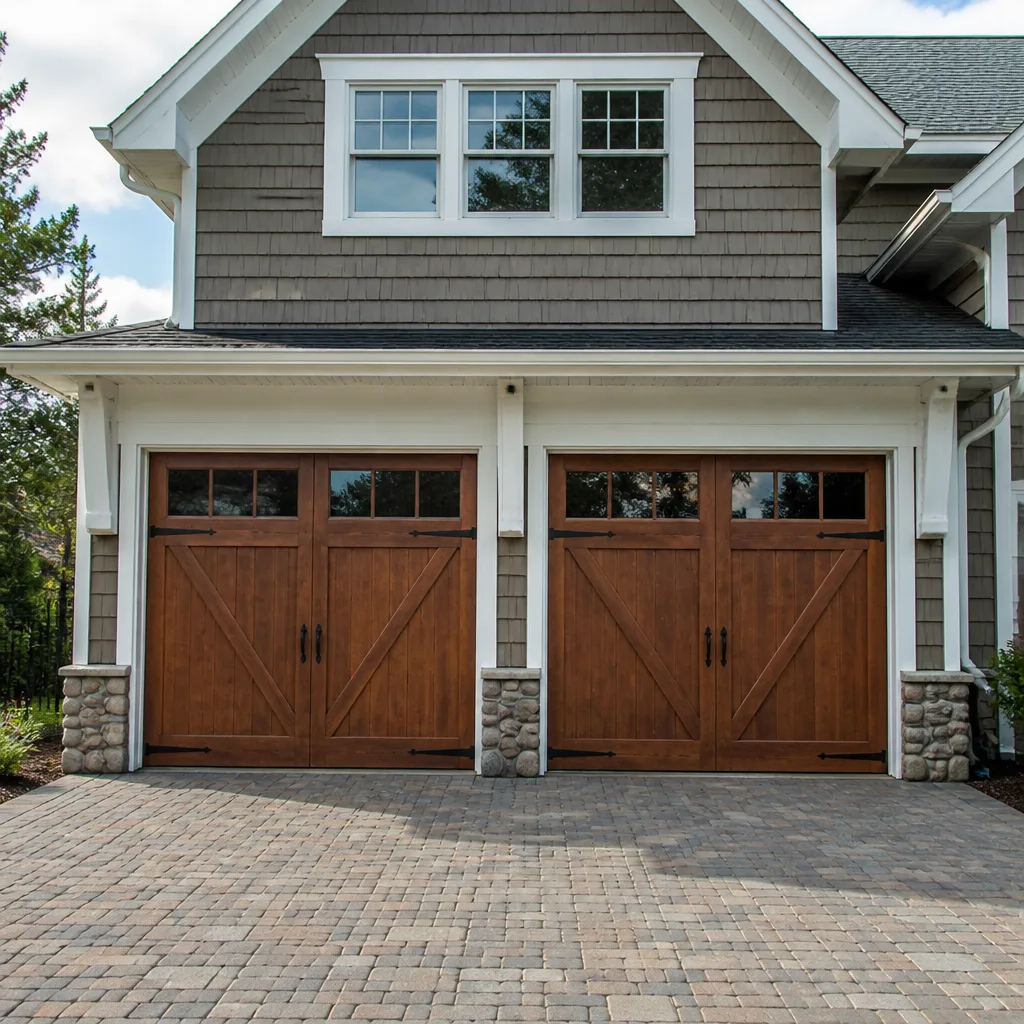 Carriage house
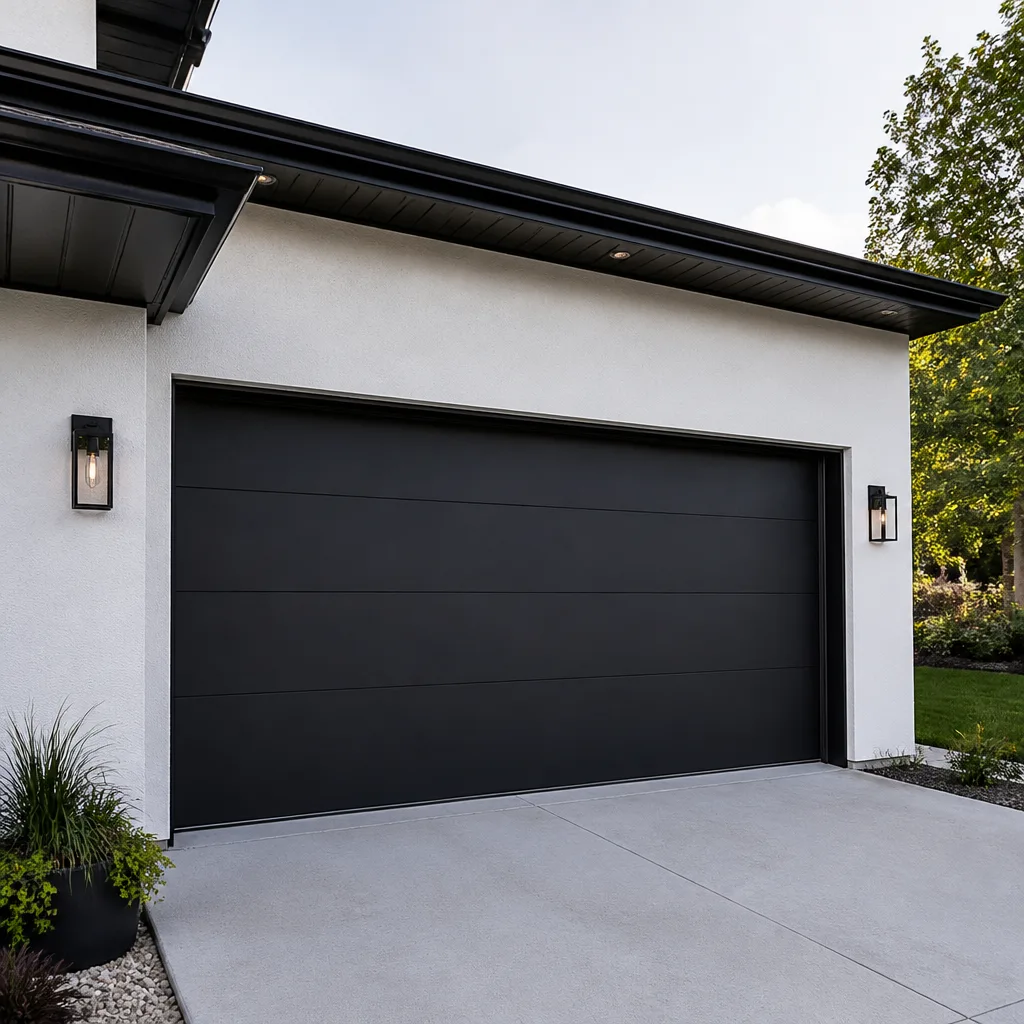 Modern flush
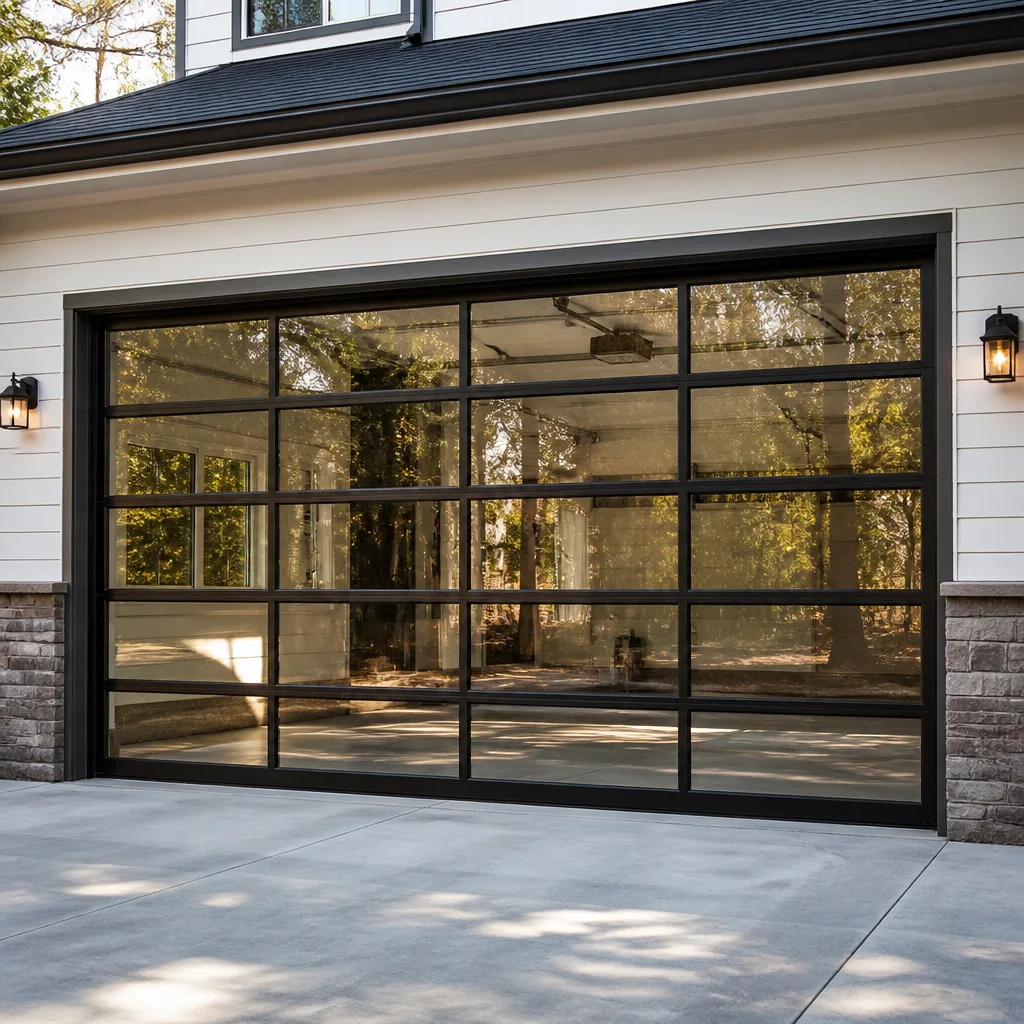 Full-view glass
 LiftMaster openers
 Chamberlain openers
Full 25-point door and opener safety check with every visit - springs, cables, rollers, tracks, and your LiftMaster or Chamberlain opener included
You get a price before we start. It does not change when the pro arrives.
Get your free estimateGarage Door Permits, Codes & Inspections in Eldersburg, MD: What You Need to Know
Swapping out a garage door looks like a one-for-one trade: old door off, new door on, done by lunch. But in Carroll County, whether that swap needs a building permit turns on a detail most homeowners never think about – whether the rough opening or the structural header gets touched during the job. That one distinction separates a simple permit-exempt door change from a permitted structural alteration, and getting it wrong can follow the house for years. This guide walks through the Carroll County and Maryland rules that apply to garage doors in Eldersburg, what an inspection actually looks for, and how to make sure any work on your door was pulled and passed before the crew packed up.
Quick Answer
In Carroll County, a straight garage door replacement that reuses the existing rough opening and leaves the structural header and framing untouched is generally treated as ordinary replacement work and doesn’t require a building permit. The moment a job changes the rough opening size, alters or replaces the header, or involves structural framing, it typically crosses into permit territory and needs a building permit plus inspections before the door goes in. Garage door openers and standard spring or track repairs are repair work, not permitted construction. When in doubt, call the Carroll County building department or ask your contractor to confirm the permit status in writing before any work begins.
Styles & brands we work with
- Raised-panel steel
- Carriage house
- Modern flush
- Full-view glass
- LiftMaster openers
- Chamberlain openers
Table of Contents
- When Does a Garage Door Replacement Need a Permit in Carroll County?
- The Structural Line: Rough Opening, Header and Framing
- What a Maryland Garage Door Inspection Actually Checks
- Fire-Rated Doors on Attached Garages: The Code Most Homeowners Miss
- How Unpermitted Garage Work Surfaces at Sale Time
- How to Verify Your Contractor Pulled the Permit
- What Else Makes Eldersburg Garage Doors Different
- Repairs That Don’t Need a Permit (and the Ones That Do)
When Does a Garage Door Replacement Need a Permit in Carroll County?
A like-for-like garage door replacement in Carroll County usually needs no building permit. If the new door fits the rough opening the old one used, the header stays put and no framing moves, the job is treated as replacement of a component rather than new construction. That covers most of the door swaps we see in Eldersburg, including changes in style, material, window configuration and insulation level as long as the opening dimensions stay the same.
The permit question changes when the job shifts from replacement to alteration. Here’s the rough split homeowners should understand:
- Typically permit-exempt: a same-size door swap in the existing opening, new tracks and hardware that bolt to the existing jambs, opener replacement, spring and cable repair, roller and hinge replacement.
- Usually requires a building permit: enlarging or reducing the rough opening, removing or sistering a structural header, cutting into or replacing jack studs, changing from a single door to a double door, converting a wall section into a new garage opening, or any work that changes the load path above the door.
- Watch closely: a “same size” door quoted from measurements taken without confirming the actual rough opening. Doors are nominal in size, and a new door that doesn’t fit the existing opening can push a contractor into framing changes to make it work – which is exactly where permits start applying.
Carroll County handles building permits through its department of permits and inspections, and the office will tell you over the phone whether a specific scope needs one. We always tell homeowners to make that call themselves rather than take a contractor’s word on it. It takes five minutes and it puts a real answer behind a decision that otherwise rests on somebody’s opinion.
The Structural Line: Rough Opening, Header and Framing
The single concept that decides permit status is the rough opening – the framed hole in the wall the garage door slides into. Every garage door hangs inside a rough opening built from a header above, jack studs on each side and a sill at the floor. Those parts carry the wall and roof load down to the foundation. Change them, and you’ve changed the structure, which is what a permit exists to review.
Here’s what each part actually does, because it makes the permit rule feel less arbitrary:
- The header is the horizontal beam spanning the top of the opening. It carries the weight of everything above the door – wall, siding, and often the roof. The longer the span, the beefier the header has to be.
- The jack studs sit against each side of the opening and hold the header up. Trim the opening wider and those studs move, which means the header span grows and its sizing has to be rechecked.
- The rough opening dimensions are what a new door must actually fit. A door that changes the opening is changing the framing, and that’s the point where replacement becomes construction.
In Eldersburg’s housing stock, most attached garages were framed for a standard opening and changing it isn’t worth the cost or the permitting hassle. In our experience, the jobs that cross the structural line are almost always intentional: a homeowner widening a single door into a double, or replacing a failing header that’s sagging above the door. Both are legitimate projects. Neither should be done without a permit and an inspection. If you’re already looking at repair or replacement decisions, our guide on garage door repair walks through how to tell which one a door actually needs.
What a Maryland Garage Door Inspection Actually Checks
A Maryland garage door inspection, when one is triggered as part of a permitted job, looks at a specific list of items – and knowing the list is useful even if your job didn’t need a permit, because it’s the same list a home inspector or buyer’s inspector will eventually use on your house. An inspector is checking whether the door and the door assembly meet code, not whether they look nice.
The core items on that list:
- Clearance above the door. The door has to have enough headroom above the top of the opening to allow it to travel, and the door panel has to clear the header without interference.
- Header load path. If the job involved any framing work, the inspector confirms the header spans the opening correctly and the jack studs, sill and any fasteners transfer load as designed.
- Opener UL listing. A garage door opener has to be UL-listed, which means it meets the safety standard for the device. Unlisted or anonymous openers get flagged.
- Entrapment protection. The door must have working safety features that stop or reverse the door when something is in the way – photoelectric sensors near the floor and, depending on the opener design, a safety reverse feature that reacts to resistance. Both are working checks, not just present checks.
- Fastener and track attachment. Tracks and brackets have to be attached in a way that will hold under load, not just to drywall.
- Clearance around moving parts. Nothing should pinch or rub against the door travel path.
What an inspector is not checking: whether you picked a premium door, whether it matches the house, whether the opener has smart-home features. Those are yours to decide. The inspection is narrow and technical, and it’s the same set of requirements handled by any competent technician on any install. If your door needs work on the mechanical side rather than the code side, our page on garage door opener repair covers how opener safety systems and travel settings get sorted out.
Fire-Rated Doors on Attached Garages: The Code Most Homeowners Miss
Here’s the requirement that catches homeowners and, frankly, some contractors by surprise: the door between an attached garage and the house is a fire separation point, and in most jurisdictions that door has to meet a fire rating and be self-closing. In Maryland, the residential code treats the wall and door assembly separating an attached garage from the living space as a fire barrier for a reason – garages hold cars, fuel, lawn equipment and solvents, and a fire starting there needs to be slowed before it reaches a bedroom or a kitchen.
What that means in practice for an Eldersburg homeowner:
- The house-to-garage door is typically required to be a fire-rated door with a self-closing mechanism, so it returns to a closed position on its own. A propped-open door defeats the purpose and gets flagged by inspectors.
- The wall between garage and house – not just the door – has to be intact. Patching, penetrations and door swaps on that wall can affect compliance.
- A garage door itself (the big overhead door) is not a fire-rated assembly in the way the man door is. Those are different components with different rules, and it’s the pedestrian door between garage and house that most homeowners have never thought about.
- If you’re remodeling a garage into living space or adding an attached garage, the fire separation requirement is one of the first things a Carroll County inspector will look for, and getting it wrong means rework.
If you’re planning any job that touches the wall or door between an attached garage and the house, ask the county building department directly whether a fire-rated, self-closing door is required on your specific layout. We can install and service the doors, but a code determination about your house belongs with your local building department, and it’s the kind of answer worth getting in writing.
How Unpermitted Garage Work Surfaces at Sale Time
Unpermitted garage work tends to sit quietly for years and then show up at the worst possible moment: during a pre-listing inspection or a buyer’s due-diligence period. When a buyer’s inspector sees a header that was modified, a rough opening that was enlarged, or a fire separation wall without a rated door, they write it in the report. That paragraph stalls negotiations, and the seller ends up dealing with it under pressure.
The fallout usually unfolds in one of these forms:
- The buyer asks for a permit search. The town or county permit history for the address shows no record of the work, which shifts the burden back onto the seller.
- The buyer’s agent asks for remediation. That can mean opening the wall to have the work inspected after the fact, retroactively pulling a permit, or undoing unpermitted changes and restoring the original framing.
- The lender or title process slows things down. Work that shows as unverified in an inspection report can complicate closing timelines, even when everyone involved wants to move forward.
- The price gets renegotiated. Buyers who see unpermitted structural work discount for it, and often discount for more than the actual repair cost.
The remediation itself is rarely the expensive part. It’s the timing and the loss of negotiating position. A garage door swap that was done right was a small line item; a garage door swap that needs to be re-opened, inspected and signed off because nobody pulled the permit is a far bigger hassle under contract deadlines. If you own a home in Eldersburg with garage work you’re not sure about, a five-minute permit record check is worth doing before you list.
How to Verify Your Contractor Pulled the Permit
A permit isn’t paperwork a contractor does “if there’s time.” On a job that requires one, the permit is the thing that makes the job legitimate, and it’s also the thing that the low bid sometimes skips to win the job. Verifying it takes a few minutes and gives you a document trail that survives a future home sale.
Here’s the step-by-step we tell homeowners to run before any garage door job that touches framing:
- Ask, before signing, whether the job needs a permit. Get the answer in writing on the estimate. “No permit required” is a fine answer, as long as it’s the right one.
- Call the Carroll County permits office yourself. Give them the scope: rough opening changes, header work, fire separation changes. They’ll tell you whether a permit is required, and that answer is the one that counts.
- Ask for the permit number before work starts. A permit can be pulled over the counter or online in many cases, and a legitimate contractor shouldn’t have a reason to delay it.
- Confirm the permit is posted or accessible at the property. The permit card should be visible, and it names the contractor of record.
- Ask who handles the inspections and when. A permitted job involves at least one inspection before the work is closed out; the contractor’s job includes calling for it and correcting anything the inspector flags.
- Keep the final inspection record. Save it with your home file. When you sell, that one document answers the buyer’s question before it’s asked.
When a contractor skips the permit on work that needed one, the risk lands on the homeowner: the inspection can’t happen retroactively without opening the work, the work can’t be confirmed as compliant, and the code compliance question becomes the seller’s problem. We tell any homeowner we work with to ask for the permit number up front. If a contractor pushes back on that request, that’s your answer about how they’ll handle the rest of the job.
What Else Makes Eldersburg Garage Doors Different
Permits and codes are the framework, but the local picture in Eldersburg has its own practical texture. The housing stock here is a mix of newer construction and older homes, and both bring their own garage door realities. Newer homes often have taller openings, sometimes mid-range doors with lift systems that need to be matched carefully when they’re replaced. Older homes may have non-standard rough openings, doors that were resized in some past decade, and opener systems that predate current safety features.
Climate matters too, though not in the way some guides suggest. Central Maryland’s seasonal swing – hot, humid summers, freeze-and-thaw winters – puts steady stress on the moving parts of a garage door: springs, cables, rollers and hinges. Cold snaps are when spring failures spike, and heat and humidity take a toll on opener electronics over time. That’s a mechanical wear story, not a permit story, but it’s the reason Eldersburg homeowners end up calling us in the first place. When a door is failing, the decision between repair and replacement should come from a real diagnosis, not from a sales pitch. Our guide on garage door spring repair covers why spring work in particular is not a do-it-yourself project: the torsion spring and cable system is under high tension, and releasing or adjusting it without the right tools and training can cause serious injury. Our technicians have up to 9 years of experience with torsion and extension spring systems, and that expertise exists for a reason.
On the brand side, Eldersburg’s residential garages run the full range. We service and repair doors and openers from Amarr, Wayne Dalton, Craftsman and Raynor, along with the other major brands we work with, and we’re not a single-brand dealer. If your door was installed with an Amarr panel assembly in the mid-2000s or a Raynor opener with a legacy control board, we can work on it without steering you toward a brand we happen to prefer. That matters most when a door is repairable and a contractor’s job is to sell replacements.
Repairs That Don’t Need a Permit (and the Ones That Do)
Most of what we do in Eldersburg is repair, and virtually none of it requires a permit. That’s worth saying plainly, because the permit conversation can make it sound like every garage door job involves a trip to the county offices. It doesn’t. The rule of thumb: if the job is fixing a component within the existing assembly, no permit. If the job is changing the opening or the structure around it, permit.
Here’s the practical split:
- Spring replacement – repair, no permit. This is the most common garage door failure and the most dangerous repair. Torsion springs, cables and drums are under high tension and are not a homeowner job.
- Opener repair or replacement – repair, no permit, even when you swap a legacy opener for a newer smart-home-compatible system.
- Roller, hinge, track and cable work – repair, no permit. Track realignment and hardware replacement are routine service.
- Panel replacement – repair, no permit, as long as the opening dimensions don’t change and the panel matches the existing door.
- Full door replacement in the same opening – generally permit-exempt in Carroll County.
- Rough opening change, header work, framing changes, new opening cut into a wall – permit required, with inspection before closing out.
If you’re not sure which side a job falls on, ask us and ask the county. We’d rather answer the question twice than have a homeowner discover at sale time that work crossed a line it shouldn’t have. For a full picture of what we handle, our Garage Door Repair Eldersburg page covers the service range, from a single part to a new door.
Common Mistakes to Avoid
- Assuming all door swaps are permit-exempt. Most are, but the ones that aren’t are usually oversized jobs dressed up as “same size.” Confirm the actual rough opening measurement before assuming the permit question is settled.
- Letting the contractor decide permit status alone. The contractor has an incentive to say “no permit needed.” A five-minute call to Carroll County gives you an answer that doesn’t depend on that incentive.
- Skipping the fire-rated door on an attached garage. The house-to-garage door is a fire separation point in code terms, and inspectors know to look for the rating and the self-closer. A standard interior door swapped in is a red flag.
- Accepting a low bid that never mentions inspections. If the job touches framing and the estimate doesn’t mention the permit or the inspection, the missing step is the whole reason the bid looks low.
- Not keeping the inspection record. The final inspection document is the one piece of paper that answers the buyer’s question years later. Save it with the deed and the property records.
- Reaching for a permit when the real issue is a failing part. A door that won’t open is usually a spring, cable or opener problem. That’s a repair diagnosis, not a permit issue, and it shouldn’t be treated as a reason to replace a door that could be fixed.
- Forgetting the opener’s role in inspection. Even on a permitted door install, entrapment protection has to be functional, not just present. A door that passes clearance and header checks can still fail inspection on a non-working safety sensor.
See the difference
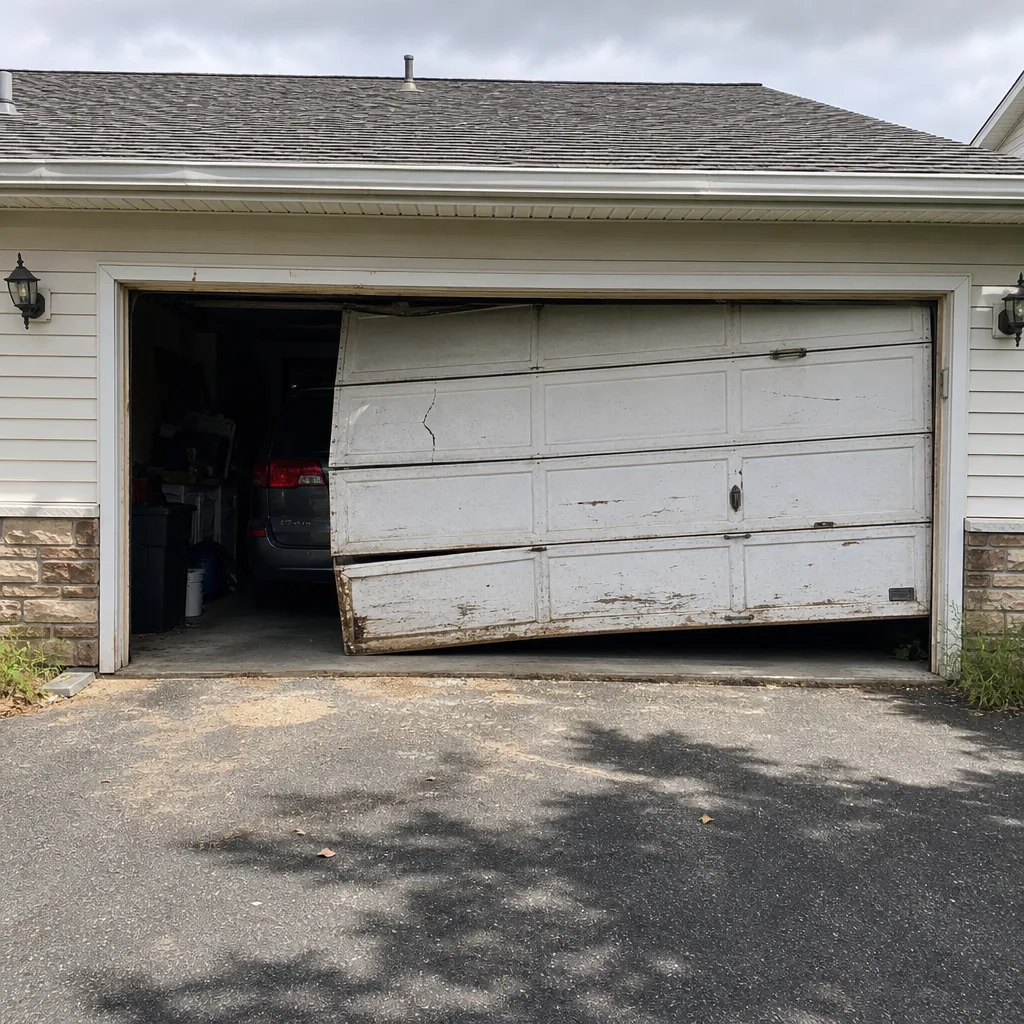 Before
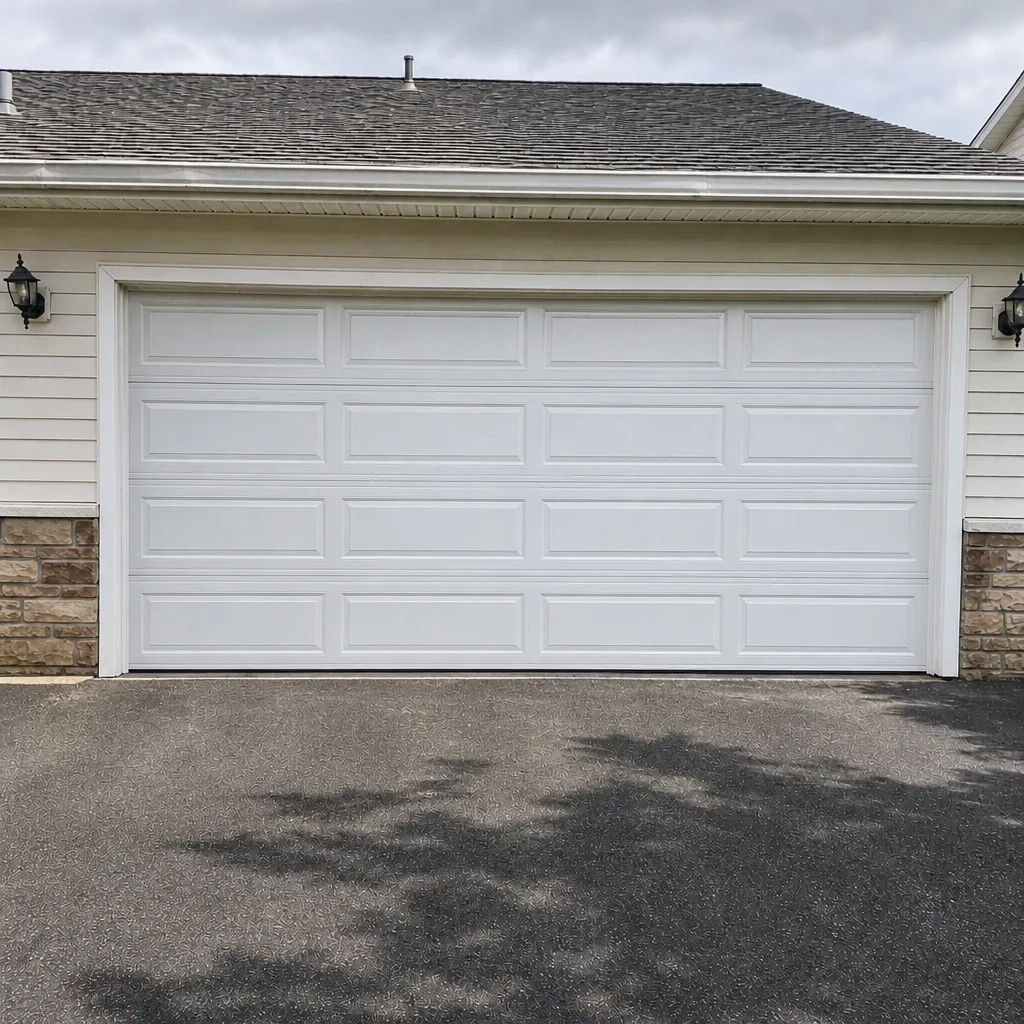 After
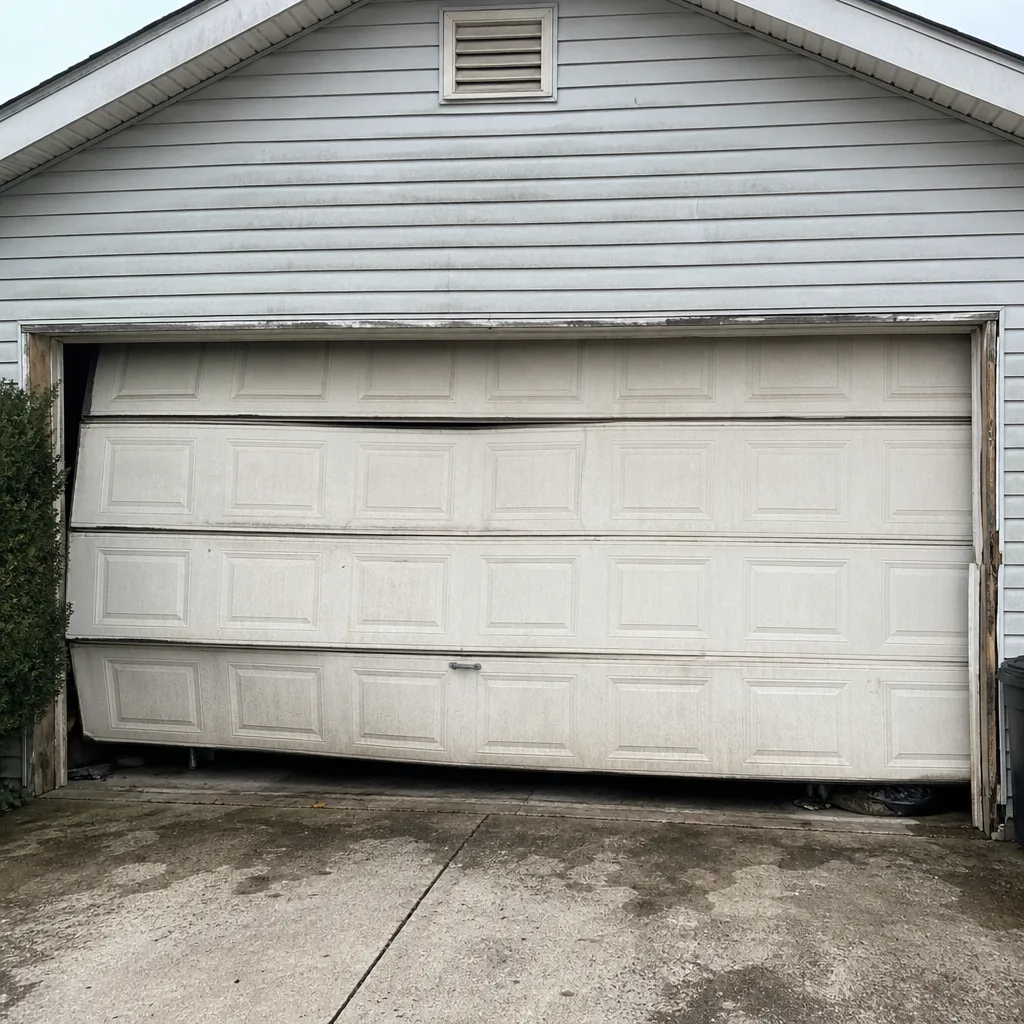 Before
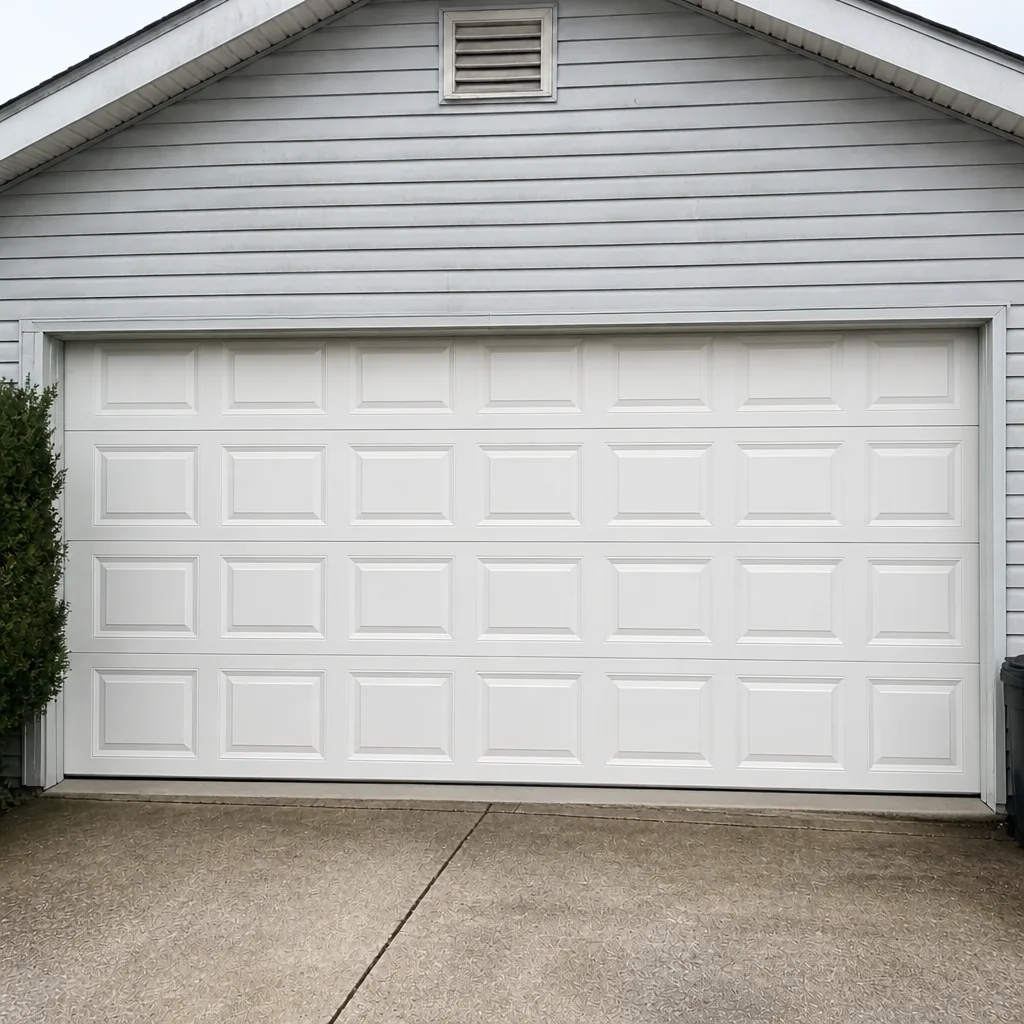 After
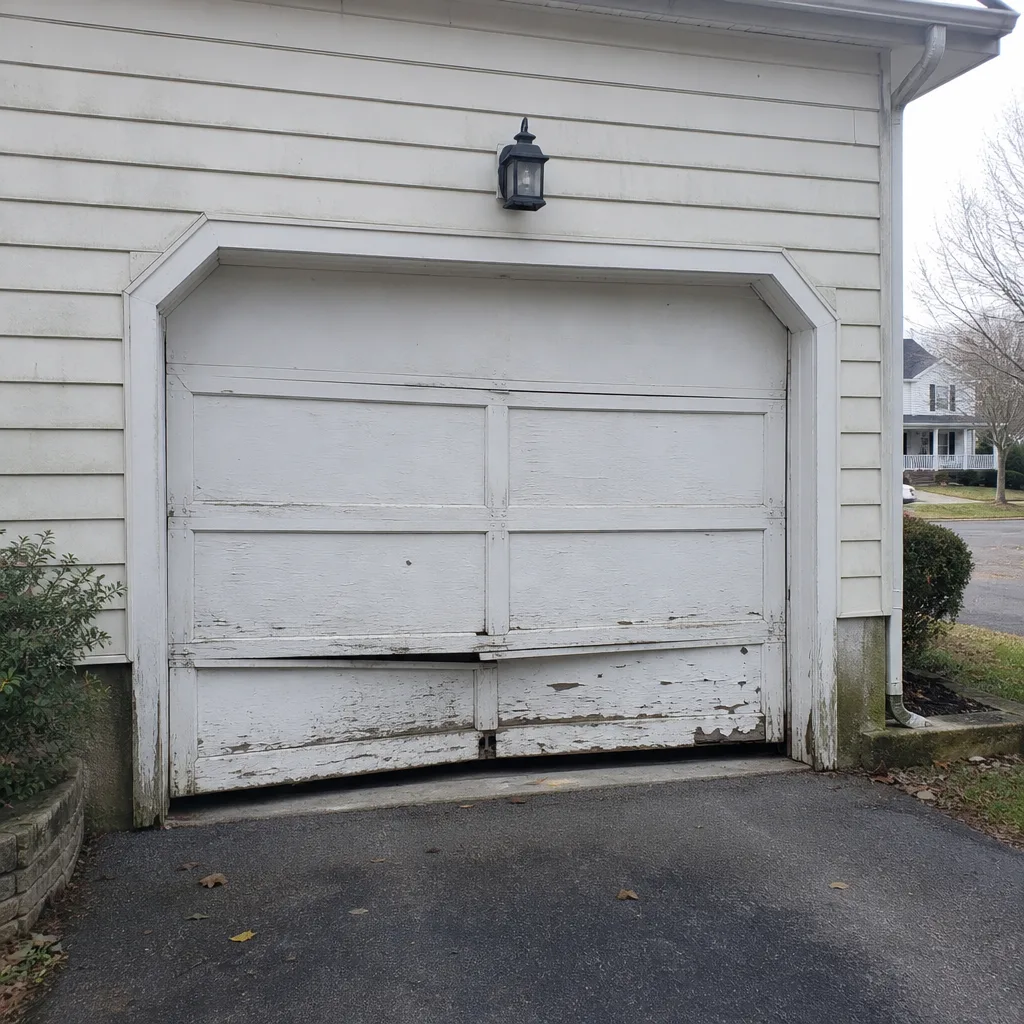 Before
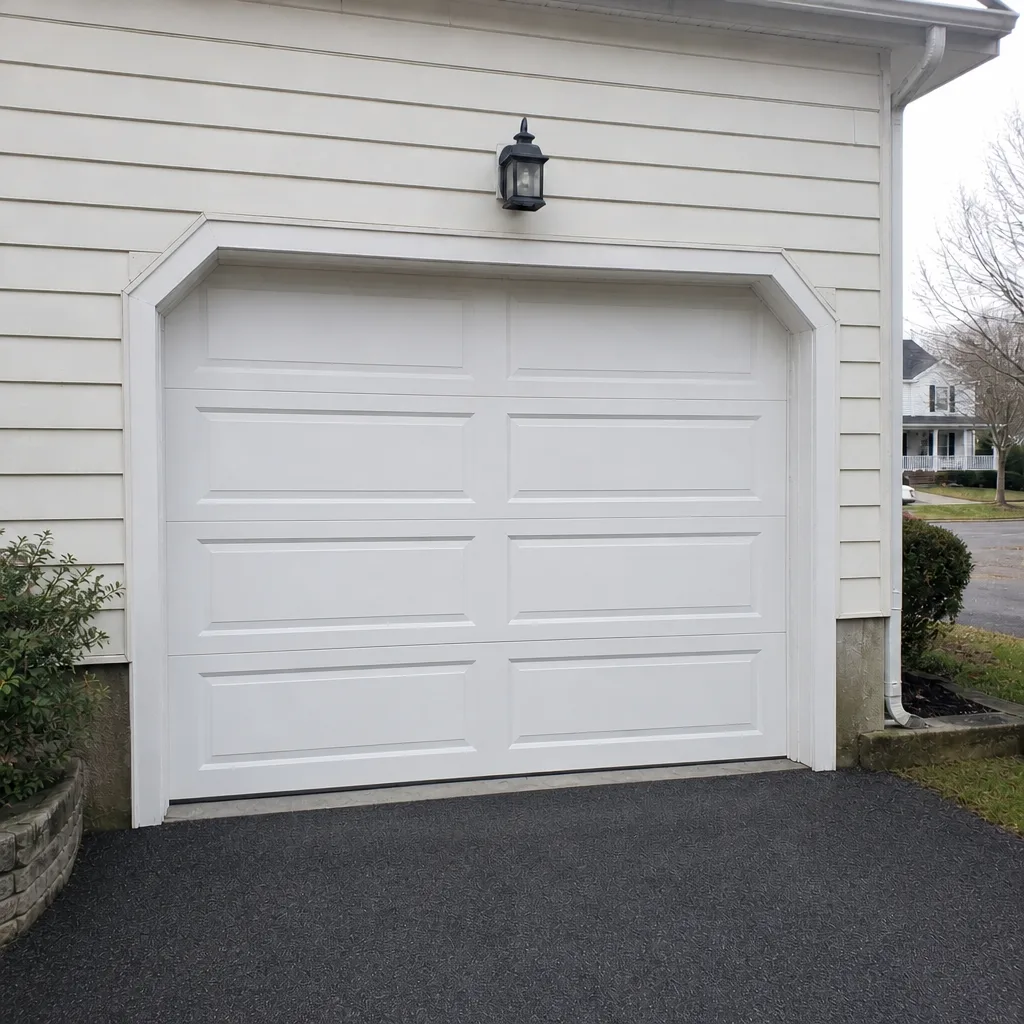 After
When to Call a Professional
Call a professional whenever the garage door becomes a question of safety or structure rather than cosmetics. If the door is under high tension – a spring has snapped, a cable has come off its drum, the door has fallen or won’t raise evenly – do not attempt to repair it yourself. Torsion spring and cable systems store enormous force, and the injuries that come from working on them without training are serious and avoidable. Call when the door is stuck or off track, when the opener won’t reverse safely, when the header above the door looks sagging or cracked, or when you’re planning a replacement that might change the rough opening. Those are the moments to get a trained technician and, where framing is involved, a permit conversation with the county.
Garage Door Repair Eldersburg offers free estimates in Eldersburg – call (877) 704-0356. We answer 24/7. Fast dispatch from 7am to 7pm, Sunday through Friday, for same-day service when a stuck or broken door can’t wait.
Frequently Asked Questions
Usually not, as long as the new door fits the existing rough opening and the structural header and framing stay untouched. If the job changes the rough opening size, replaces or alters the header, or involves any framing work, it typically requires a building permit and an inspection. Call the Carroll County building department with your specific scope to confirm. If you’re planning a swap and want to know what’s involved on the door side, call (877) 704-0356 for a free estimate.
The inspection checks clearance above the door, the header load path if framing was touched, the opener’s UL listing, entrapment protection including working photoelectric sensors and safety reverse, track and bracket attachment, and clearance around moving parts. It’s a technical pass-fail, not a cosmetic review. Call (877) 704-0356 if you want a trained technician’s take on your door before an inspector sees it.
No. Spring replacement, opener repair or replacement, roller and hinge work, cable replacement and track realignment are all repair work and don’t require a building permit in Carroll County. They are, however, the repairs where safety matters most – torsion springs and cables are under high tension and should always be handled by a trained technician. Call (877) 704-0356 to have spring work done safely.
Because the wall and door between an attached garage and living space are treated in code as a fire separation barrier, and the pedestrian door between them is typically required to have a fire rating and to be self-closing. A garage is where cars, fuel and lawn equipment live, and the separation buys time if a fire starts there. Carroll County inspectors look for the rating and the self-closer. Call (877) 704-0356 if you want a fire-rated garage entry door installed or serviced.
Ask for the permit number before work starts, confirm it with the Carroll County permits office, and check that the permit card is posted at the property. The permit names the contractor of record, and the final inspection record is the document to save with your home file. A legitimate contractor will give you that number up front. Call (877) 704-0356 for a permit conversation on any garage door project.
It sits quietly until a buyer’s inspector finds it, then shows up in the inspection report and becomes a negotiating problem at sale time. Remediation can mean opening the wall for a retrofit inspection or undoing the unpermitted work. The cheapest fix is to check your permit records before listing and confirm the scope of any prior work. Call (877) 704-0356 if you need a door serviced or replaced on a job that may need permit verification.
The Bottom Line
The permit question on a garage door comes down to one thing: does the job touch the structure, or is it a component swap inside the existing opening? Most Eldersburg door replacements are the second kind and don’t need a permit. The ones that change the rough opening, the header or the fire separation wall do, and those should be permitted and inspected before the door goes up. Keep the inspection record. Verify your contractor’s permit before work starts. And remember the doors and openers themselves, whatever the brand – Amarr, Wayne Dalton, Craftsman, Raynor, or any of the others we work on – are mechanical systems that need proper installation and service to stay safe.
If a door in your Eldersburg home is failing, off track, or making noise that wasn’t there last month, that’s a diagnosis question before it’s a permit question. Call (877) 704-0356 for a free estimate. We answer 24/7. Fast dispatch from 7am to 7pm, Sunday through Friday, for same-day service when a door needs attention.
Written by the team at Garage Door Repair Eldersburg.