
Last updated November 22, 2026
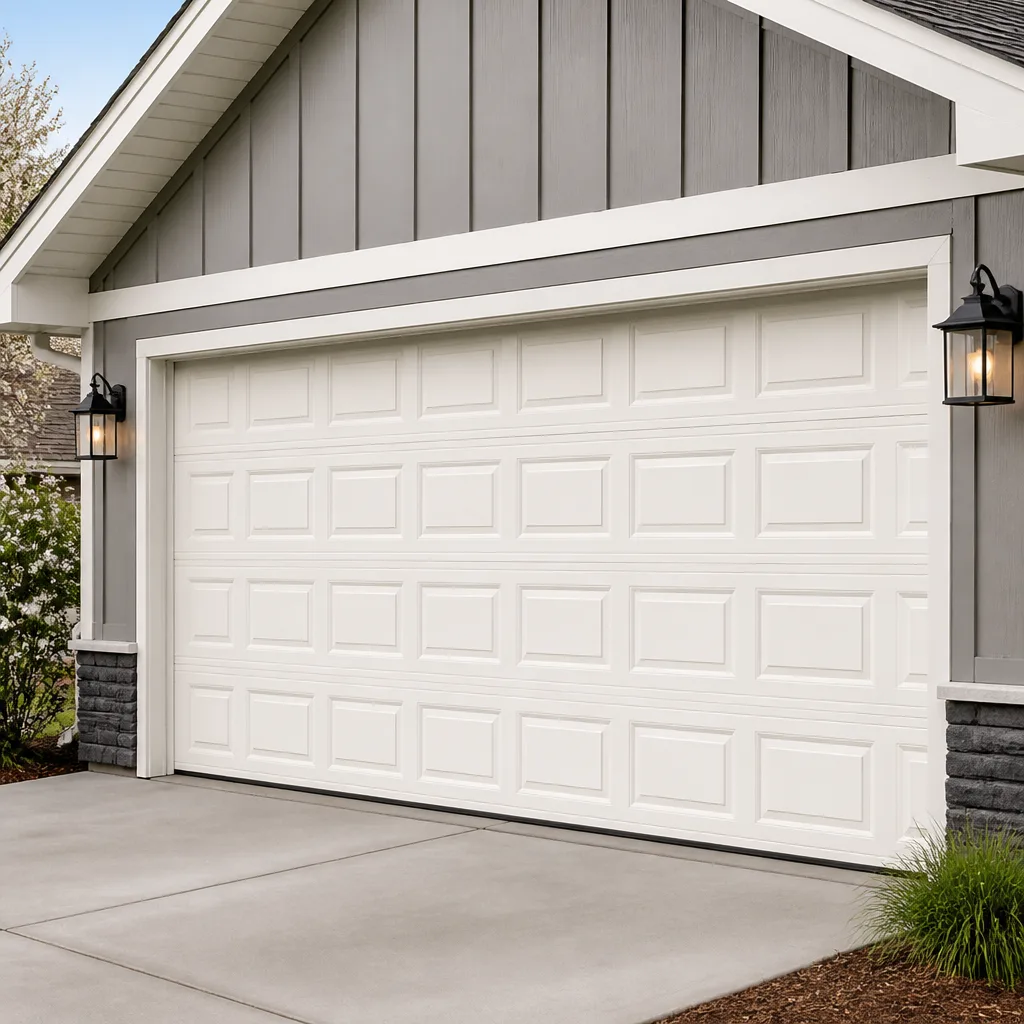 Raised-panel steel
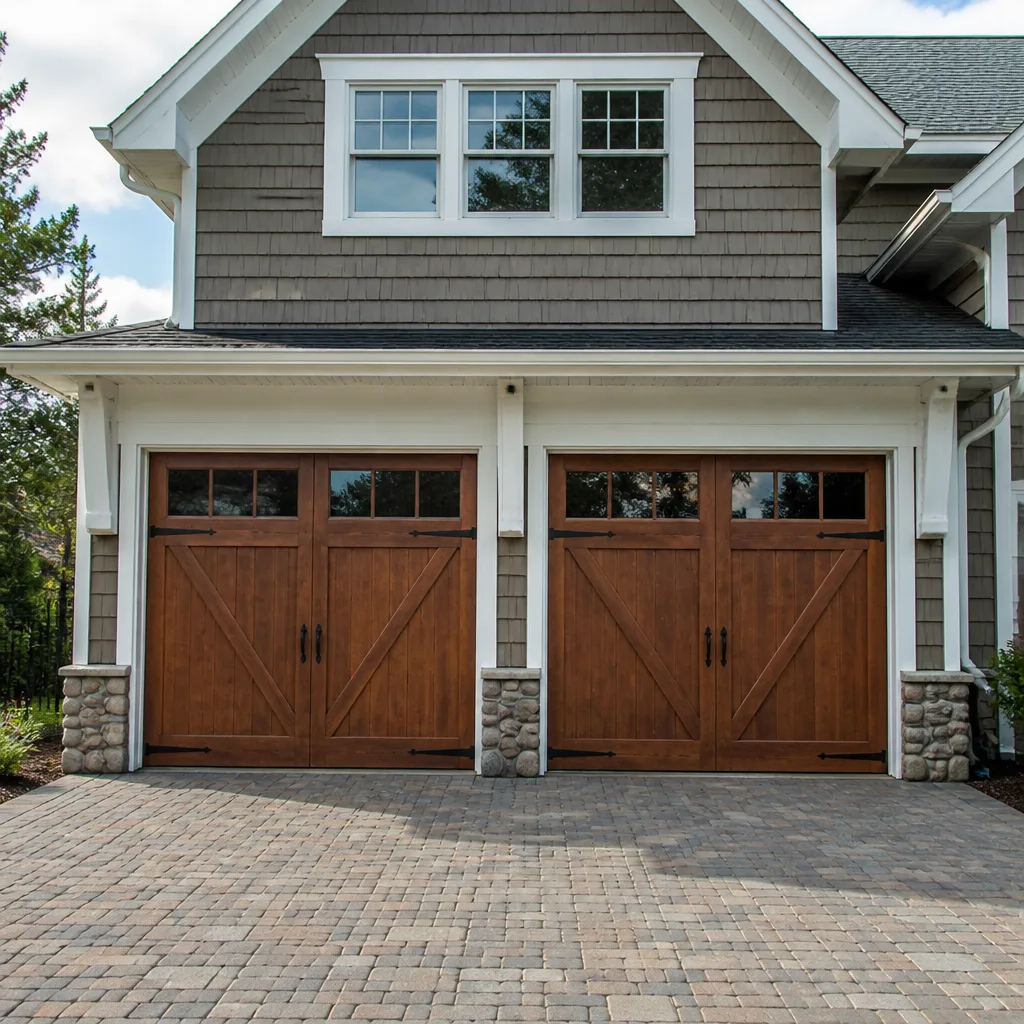 Carriage house
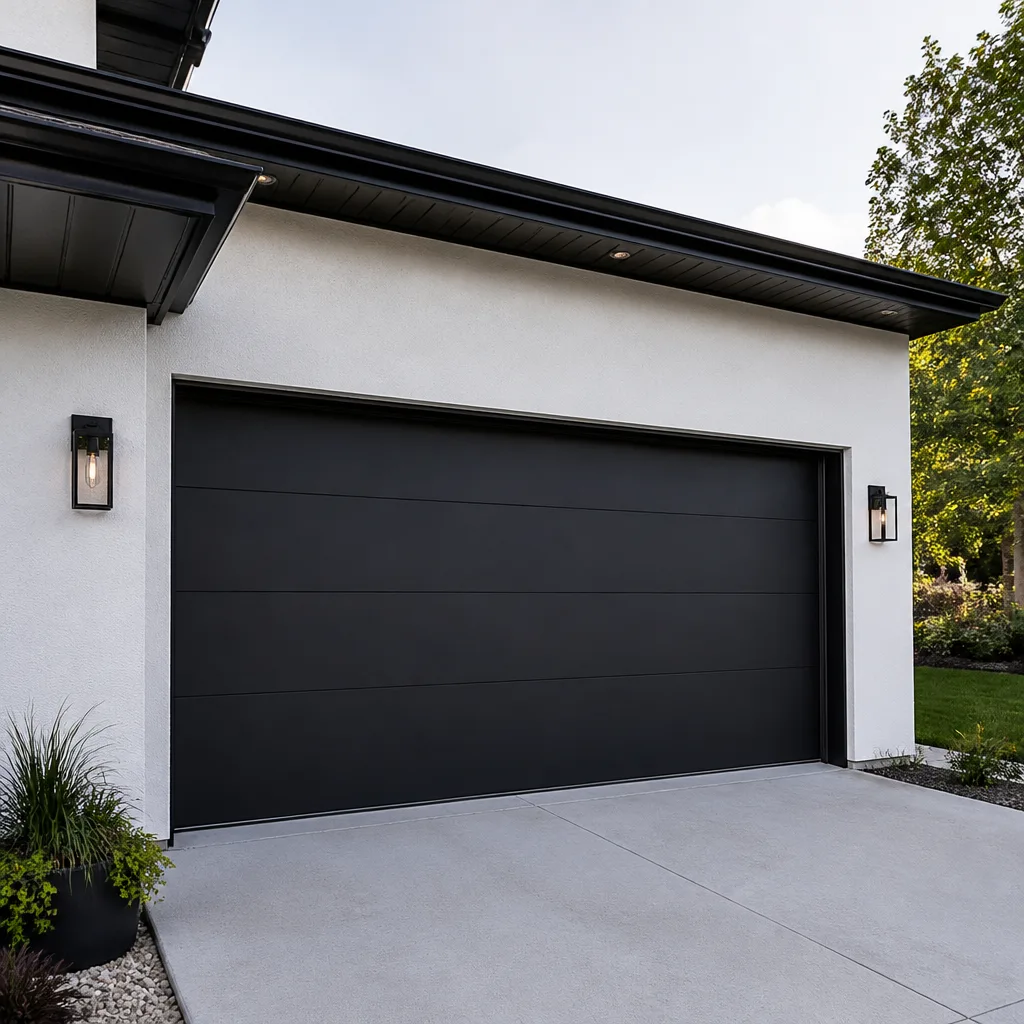 Modern flush
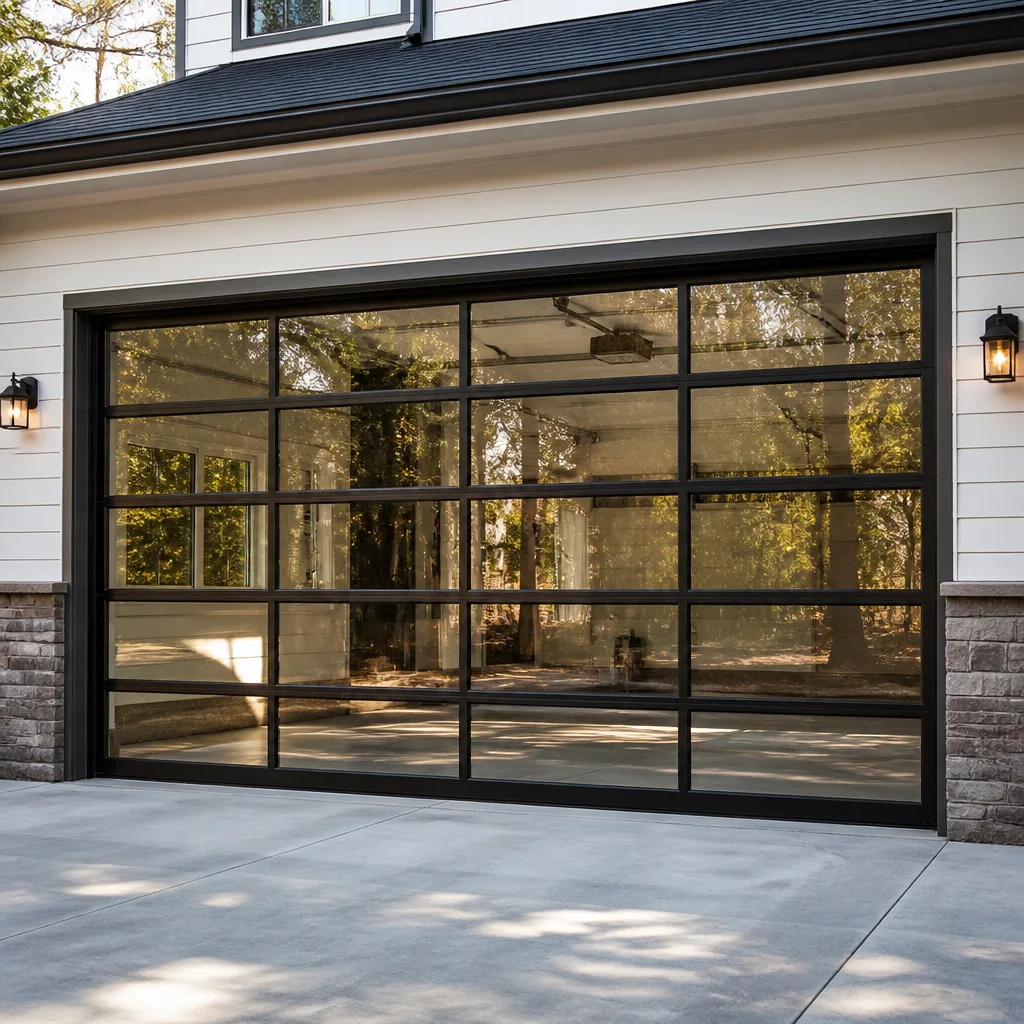 Full-view glass
 LiftMaster openers
 Chamberlain openers
Full 25-point door and opener safety check with every visit - springs, cables, rollers, tracks, and your LiftMaster or Chamberlain opener included
You get a price before we start. It does not change when the pro arrives.
Get your free estimateGarage Door Warning Signs: An Eldersburg Homeowner’s Reference Guide
A grinding noise and a scraping noise coming from your garage door need two different responses. Most homeowners hear both, file them together as “the door sounds bad,” and either ignore the whole thing or call for the same service. The mechanics behind each are not the same, and the fix is not the same. One is often a dry or worn moving part you can monitor for a while. The other can point to metal-on-metal wear that gets more expensive the longer it runs. In Eldersburg, where a garage door is the way most families actually come and go, that difference matters. This guide teaches you to read the specific sounds, movements, and visual cues your door gives off and match each one to what’s likely happening inside the mechanism.
Quick Answer
The most urgent garage door warning signs in Eldersburg are a frayed or kinked cable, a broken torsion spring, a single loud bang followed by a door that won’t lift, and a door that closes unevenly or drifts down on its own. Grinding, squealing, and light scraping are usually worn rollers, dry hinges, or a track issue and can be monitored briefly, but popping sounds and any cable damage mean stop using the door. When in doubt, keep the door down and call a technician.
Styles & brands we work with
- Raised-panel steel
- Carriage house
- Modern flush
- Full-view glass
- LiftMaster openers
- Chamberlain openers
Table of Contents
- The Sound Index: What Each Noise Tells You
- Visual Warning Signs, Ranked by Urgency
- Movement Diagnostics: Drift, Uneven Travel, and Jerky Stops
- The Balance Test as an Early-Warning Tool
- How Eldersburg Weather and Housing Shape Wear
- What’s Safe to Monitor vs. What Needs a Technician Now
- A Simple Seasonal Check Routine
The Sound Index: What Each Noise Tells You
Your ear is the first diagnostic tool you have, and it’s more accurate than most people realize. The trick is separating the sounds into categories before you call anyone. Here’s how we break down the most common garage door noises and what each one usually points to.
Grinding
Grinding is metal dragging against metal. It most often comes from worn or flat-spotted rollers, a dry hinge, or a torsion tube that’s lost lubrication. On older doors, especially steel models from Clopay or Wayne Dalton that have been through many Maryland freeze-thaw cycles, the rollers can develop flat spots that grind as they roll through the curved track. This is a monitor-and-service situation, not an emergency. Left long enough, grinding rollers wear the track, which turns a small fix into a bigger one.
Scraping
Scraping is different. It’s usually the door panel or a hinge scraping against the track, often because the door has shifted slightly off-center or a track has bent. Scraping can be intermittent, showing up only in certain parts of the travel, because the misalignment is localized. Check whether the scraping is constant or comes and goes. Constant scraping wears the paint and metal; intermittent scraping usually points to a track or alignment problem a technician should correct.
Popping
Popping is the one to take seriously. A sharp pop, especially followed by a door that suddenly feels heavy or won’t open, is often a torsion spring breaking. The spring is under extreme tension, and when it fails it releases that energy in a single pop. Do not attempt to open the door or work on the spring yourself after a pop. Keep the door shut and call for garage door spring repair.
Slapping and Squealing
A slapping or rattling sound points toward loose hardware, a loose bottom bracket, or a door panel that has separated slightly from its frame. Squealing is dry metal, usually hinges, rollers, or the torsion tube. Squealing is the most forgiving sound on this list and the easiest to address with lubrication during routine service. Slapping deserves a closer look because it can signal fasteners backing out.
- Grinding: worn rollers or dry moving parts. Monitor, then service.
- Scraping: door or hinge rubbing the track. Check alignment.
- Popping: possible spring failure. Stop using the door.
- Slapping: loose hardware or panel. Inspect soon.
- Squealing: dry metal. Lubricate during service.
Visual Warning Signs, Ranked by Urgency
Walk into your garage and look. A door that’s starting to fail usually shows it before it breaks. These are the visual cues we look for, ranked from “stop everything” to “watch this over the next month.”
1. Frayed or Kinked Cables (Most Urgent)
A cable that’s frayed, has broken strands, or looks kinked is a stop-and-call sign. Cables carry enormous tension and a failing cable can whip loose. If you see loose strands sticking out from the cable near the bottom corner of the door, don’t operate the door. Call a technician immediately. Our garage door repair team handles cable replacement as part of standard service.
2. Rust Patterns on Springs
Rust is normal weathering, but the pattern matters. Rust trapped in the coils of a torsion spring, especially along one section, can mean the spring is binding or losing tension. Springs near the end of their life often show rust concentrated at one spot where they’ve been working hardest. In Eldersburg’s humid summers and freezing winters, springs cycle through a lot of temperature change. Rust alone isn’t an emergency, but rust combined with a door that feels heavier than it used to is worth a professional look.
3. Panel Cracking Near Bottom Corners
The bottom corners of the door take the most stress. Hairline cracks there, especially on older wooden or thin steel doors, can spread. If the crack is small and the door still moves smoothly, monitor it. If it’s growing or the door flexes visibly, the panel or the door structure is compromised. Amarr and Craftsman doors with multiple panels can sometimes have a section replaced; a badly cracked single-panel door usually gets replaced as a unit.
4. Roller Wear Indicators
Look at the rollers in the tracks. A healthy roller is round and rolls freely. A worn one is flat on one side, cracked, or has a visible gap between the roller and the stem. Flat-spotted rollers are exactly what produces that grinding sound. They don’t need immediate replacement, but they do the most damage to the track if you let them run.
Movement Diagnostics: Drift, Uneven Travel, and Jerky Stops
How the door moves tells you where in the mechanical chain a problem lives. Watch it open and close a few times and pay attention to these four behaviors.
Door Drifts Down on Its Own
If your door doesn’t stay fully open on its own and slowly slides down, the springs have lost tension or the door is out of balance. This is a balance issue (covered in the next section), and it points directly at the spring system. Don’t leave the door half open to compensate.
Uneven Travel
When one side of the door rises faster than the other, the door is traveling unevenly. That almost always means a cable or track problem on one side, or uneven spring tension. On a double door, uneven travel puts twisting force on the panels and hinges. This one should get a professional look before it gets worse.
Jerky Stops or Starts
A door that jerks mid-travel, then continues, is usually binding somewhere. The binding could be a roller dragging in a track, a bent track section, or a hinge catching. Jerking that gets worse over time can overwork the opener motor and shorten its life. If the jerking started after you noticed grinding, the two are probably the same worn part.
The Opener Struggles
If the opener seems to strain more than it used to, the work it’s doing has increased. A door that opens on a properly balanced spring system needs very little effort from the opener. When the opener is straining, the balance or the door’s mechanical smoothness has changed. Call for garage door opener repair if the door itself checks out but the motor is the part struggling.
The Balance Test as an Early-Warning Tool
The balance test is the single best early-warning tool for your door, and it’s the one that tells you more than any single sound. It’s a simple test, and it’s safe to do by hand as long as you don’t force anything.
- Close the door fully.
- Disconnect the opener so the door operates by hand (most openers have a manual release cord).
- Lift the door to about halfway and let go.
- A balanced door should hold that position.
- If it drifts down, the springs have lost tension. If it drifts up, the springs are over-tensioned. Either way, it’s a spring issue.
The key is the trend, not a single test. A door that passes today but takes two seconds longer to hold position than it did six months ago is telling you the springs are losing tension slowly. That two-second difference is the early warning. When you run the balance test regularly, you catch spring wear before it becomes a broken spring in the middle of a morning when the whole family needs to leave at once.
Don’t force the door up or down during the test. If a door resists lifting, that’s your answer: the springs are losing the fight and you should call a professional.
How Eldersburg Weather and Housing Shape Wear
A garage door in Eldersburg works harder than one in a milder climate. Our winters swing between freezing nights and warm afternoons more than they used to, and that back-and-forth puts the spring system and the door hardware through constant thermal cycling. Metal expands, contracts, and the torsion load on the springs climbs and falls every time the temperature moves.
Summers are humid enough to keep rust working on any bare steel in the assembly. The wood-frame and vinyl-siding homes common through much of Eldersburg are also often home to doors from the era when single-panel swing-ups were normal; on those, the track and spring hardware tend to be the first parts to show their age.
Driveways in this area are also full of the smaller stuff: pollen season, sand and grit tracked onto the tracks, and the occasional leaf that gets wedged into a roller channel. Grit in the track is a small thing that grinds a roller down fast. If you live on a street with mature trees, plan to clear the tracks a little more often than someone with a clear driveway.
One more local note: garage door work usually requires a permit for structural changes, and that’s worth checking with the Carroll County or Eldersburg permitting office before any panel or track change. Ask your building department what applies to your project.
What’s Safe to Monitor vs. What Needs a Technician Now
Not every warning sign is urgent. But the ones that are urgent are genuinely dangerous, and this is where a lot of homeowners get themselves into trouble trying to handle it themselves. Here’s the honest split.
Safe to Monitor (for a Short Window)
- Grinding or squealing that just started, with the door still operating smoothly.
- Squealing hinges or torsion tube that lubricating could quiet.
- Light scraping that comes and goes and doesn’t change the door’s movement.
- Flat-spotted rollers on a door that otherwise moves evenly.
- Surface rust on springs with no change in door balance.
Needs a Technician Now
- Any frayed, kinked, or loose cable.
- A popping sound followed by a door that won’t lift or feels heavy.
- Door drifting down or closing on its own.
- A door that has come visibly off its track on one side.
- Any cracked or broken panel near a hinge or bottom bracket.
Torsion springs and cables are under serious tension, and this is the part of a garage door that injures real people every year. Don’t try to adjust a torsion spring, cut a cable, or force a door back onto a track yourself. A trained technician has the right tools and the right training for that work. That’s exactly the kind of job our spring repair service exists for, and it’s why we treat it as a core part of what we do rather than a referral.
The safest thing you can do when a spring or cable sign shows up is to leave the door alone and call. We answer 24/7. Fast dispatch from 7am to 7pm, Sunday through Friday.
A Simple Seasonal Check Routine
You don’t need to be a technician to catch the early warning signs. Ten minutes a few times a year will do more for your door’s life than anything else. Here’s a routine you can actually keep.
- Run the balance test. Disconnect the opener, lift the door halfway, let go, and note whether it holds. Track how long it takes to hold position each time; compare that number to last season.
- Listen on the way up and down. A monthly quiet listen tells you whether grinding, scraping, or popping has appeared.
- Look at the cables. Run your eye down each cable for frayed strands or bends.
- Check the rollers in the track. Look for flat spots, cracks, or gaps between roller and stem.
- Clear the tracks. Wipe out grit, leaves, and pollen buildup, especially in spring.
- Lubricate the moving parts. Hinges, rollers, and the torsion tube respond to the right lubricant.
- Watch the door’s movement. Uneven travel, jerks, and drift are the ones to catch early.
Clopay and Amarr doors with multiple panels can be checked panel by panel; Wayne Dalton and Craftsman doors have their own hardware quirks that are worth knowing if the door is older. Whichever brand sits over your driveway, the checks stay the same.
Common Mistakes to Avoid
- Treating every noise as the same problem. Grinding and scraping come from different parts of the mechanism. Booking the wrong service wastes a trip and can leave the real issue unfixed.
- Lubricating a spring to “fix” a popping sound. A pop is a mechanical failure, not a dry hinge. Lubricant won’t fix a spring that’s about to break, and it can make the failure worse.
- Cutting or removing a cable yourself after a break. A broken cable holds stored energy. Leave it and call. Torsion springs and cables are not a DIY job.
- Ignoring an uneven door. A door that lifts faster on one side than the other twists the panels every time it runs. In this housing stock, that twist shows up as cracked bottom corners sooner than homeowners expect.
- Letting flat-spotted rollers wear the track. Rollers are cheap to swap. A new track is not. Deferring the roller makes a small repair into a larger one.
- Testing the balance of a door with a broken spring. Don’t overpower a door that won’t lift. If the spring has failed, the balance test isn’t useful; a technician call is.
- Skipping the check because “it’s been fine.” Garage doors fail on the day they fail, not on a schedule. A monthly listen is what catches a change before it becomes a broken spring.
See the difference
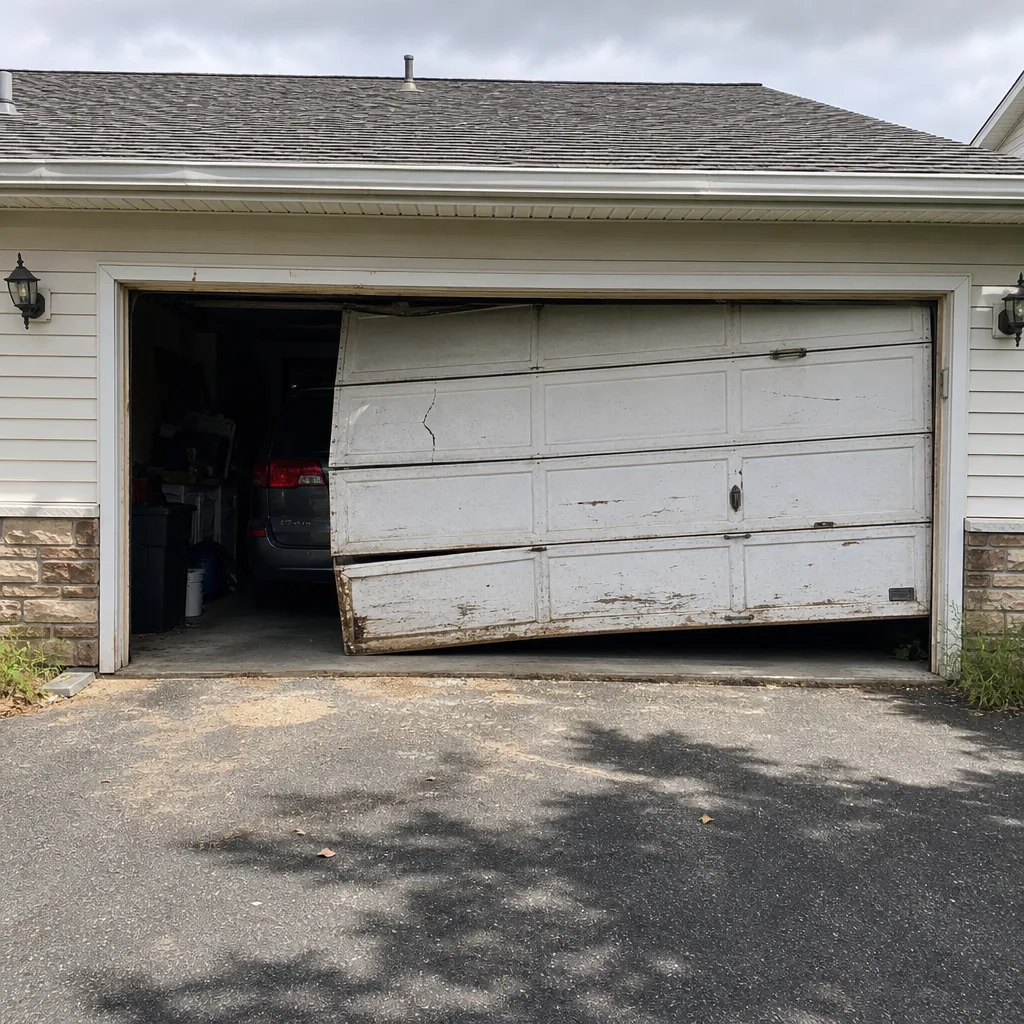 Before
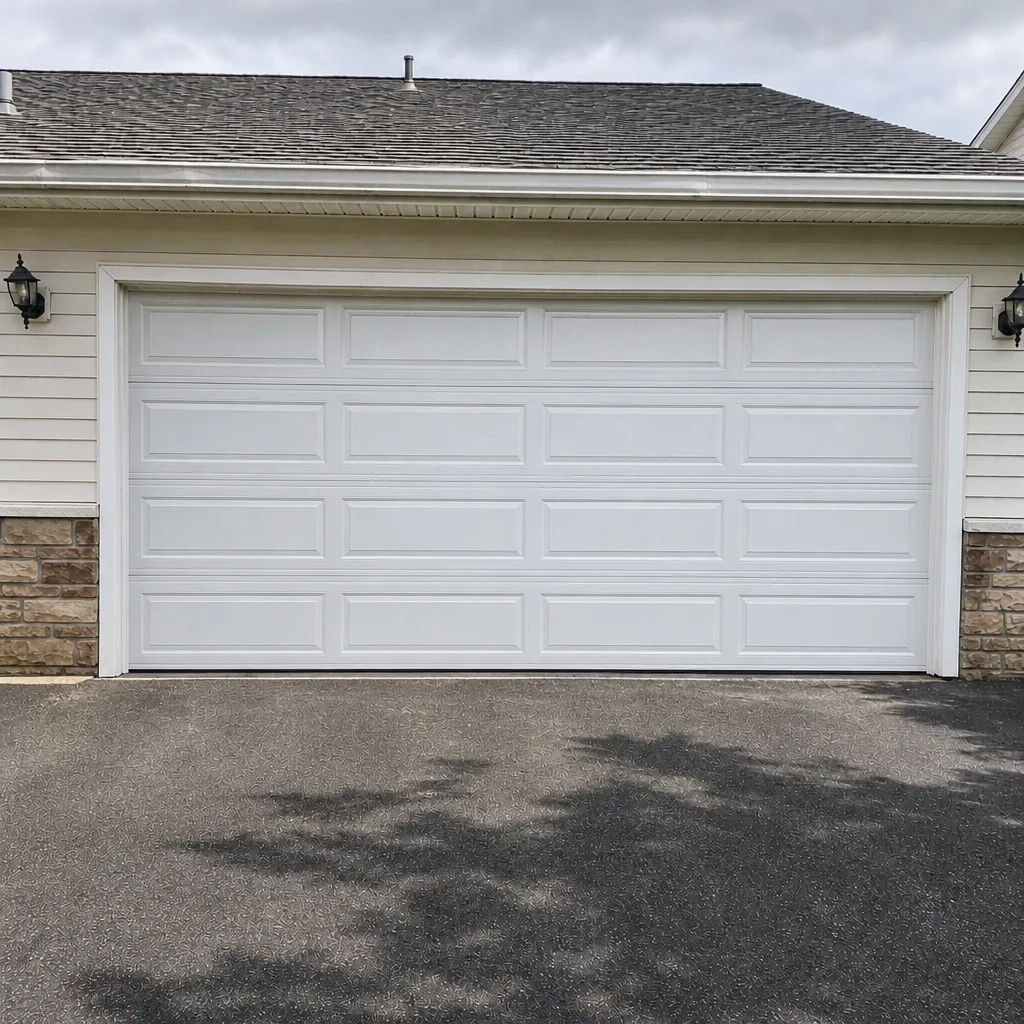 After
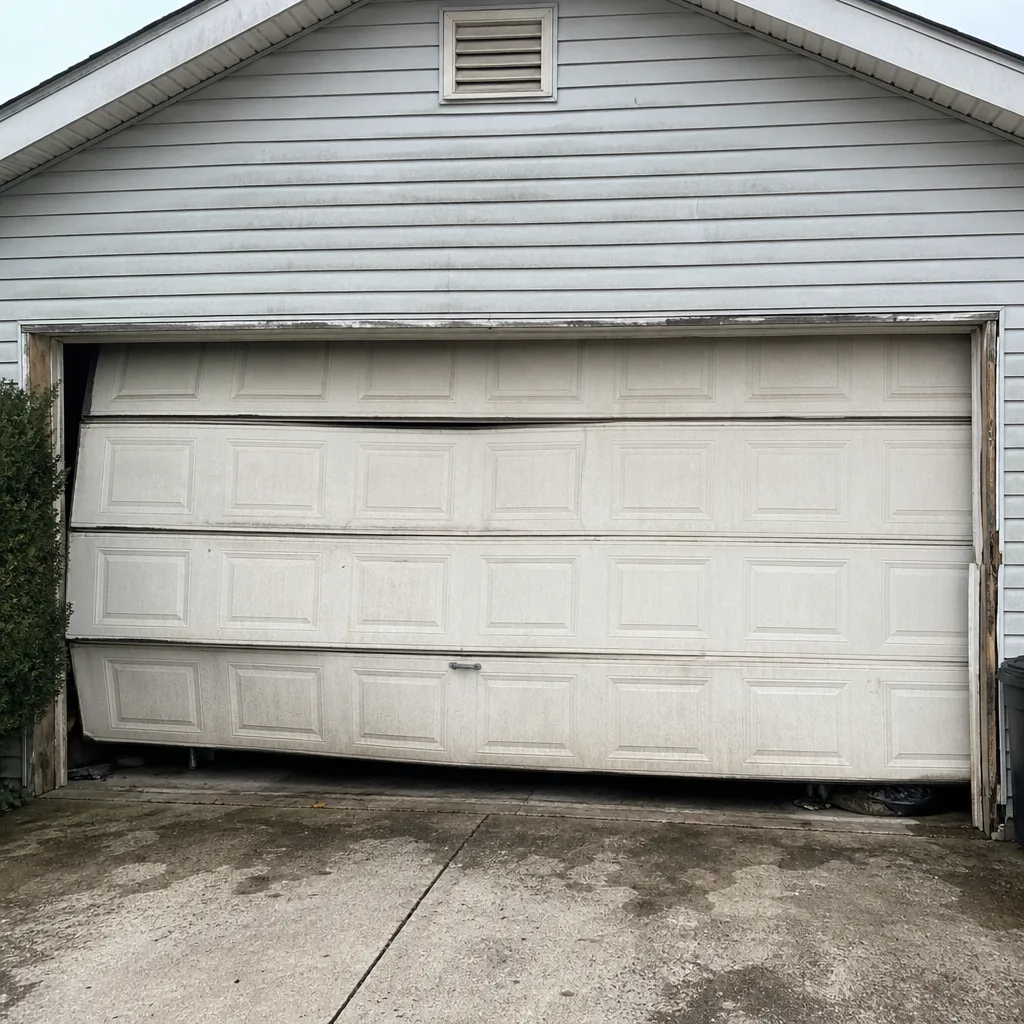 Before
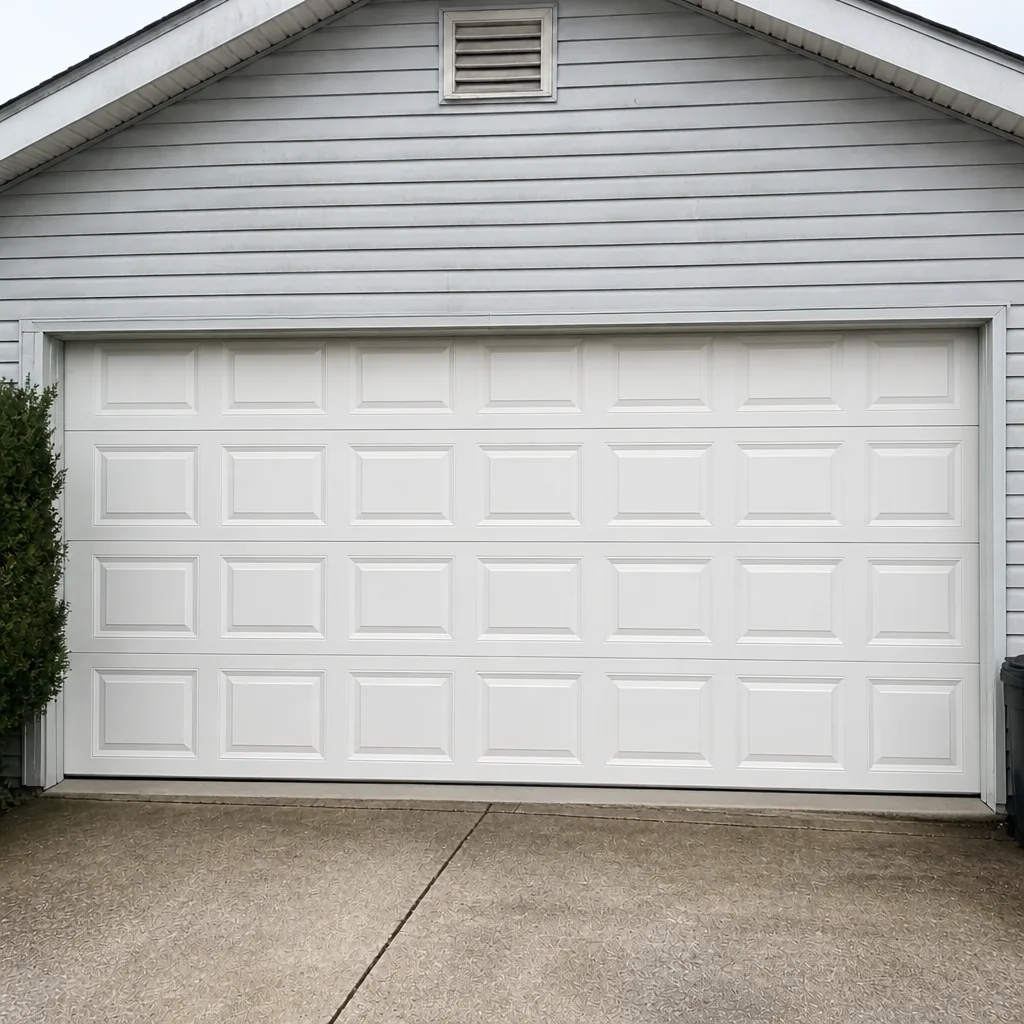 After
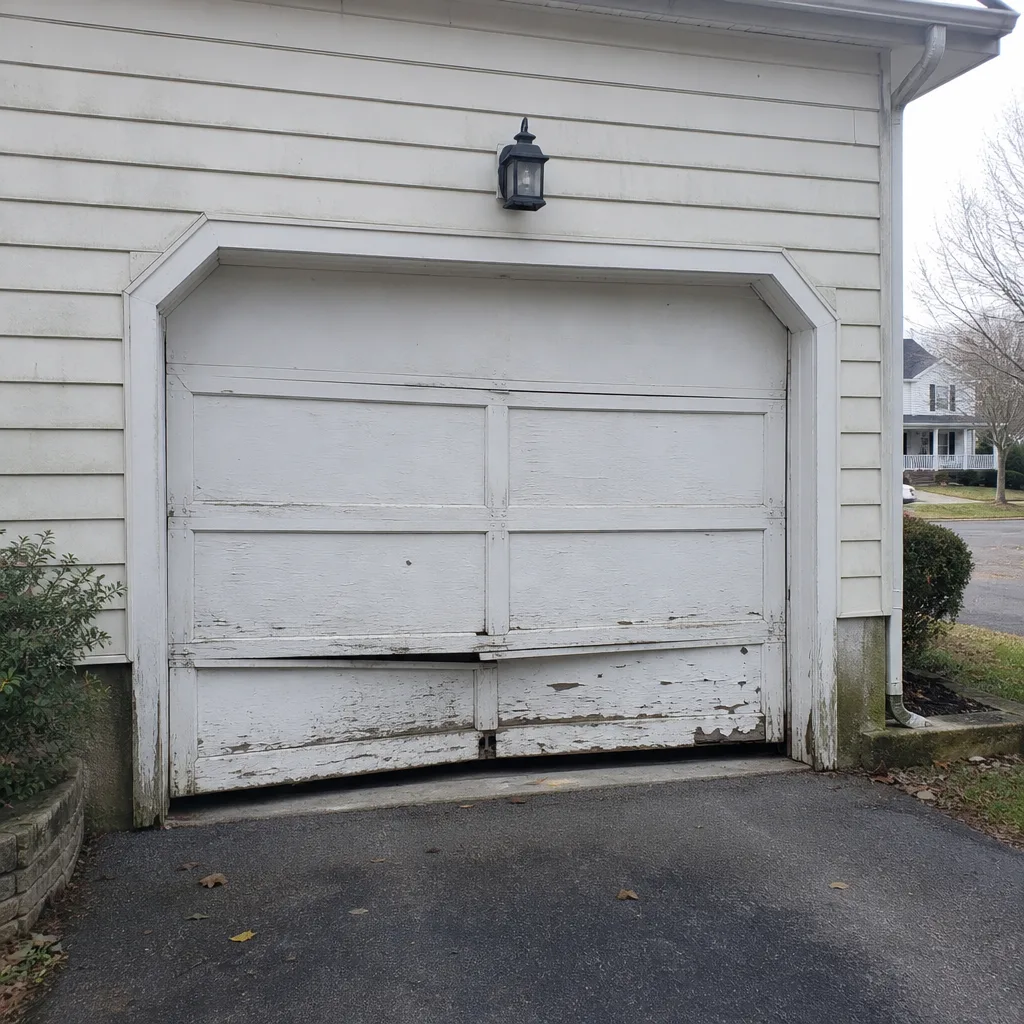 Before
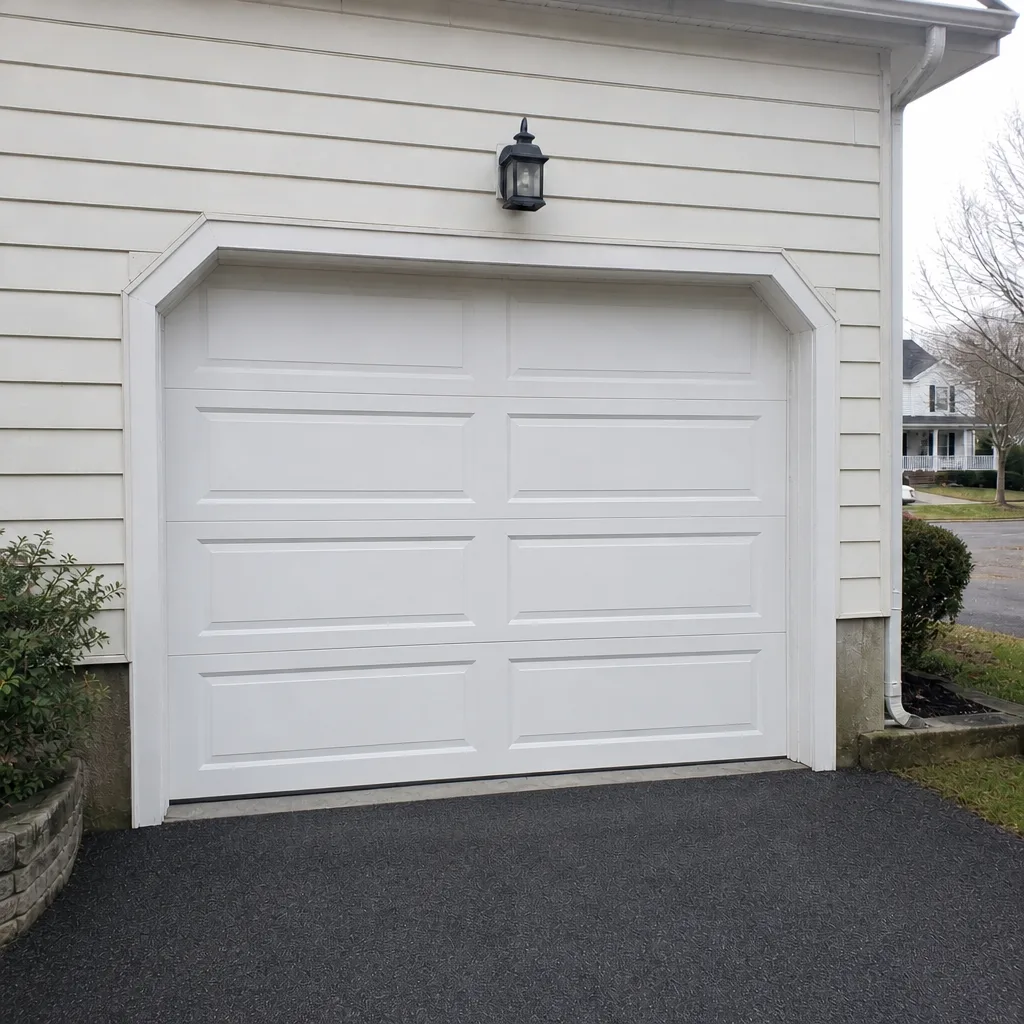 After
When to Call a Professional
Call us when a warning sign crosses from “monitor” to “act.” That means a frayed cable, a pop followed by a door that won’t lift, a door drifting down or closing on its own, or a door that’s visibly off its track. It also means any cracked panel near a hinge, bottom bracket, or corner, and an opener that’s straining on a door that used to move easily. When your garage door stops, so does your day, and a garage door that’s stuck in the down position is a security concern and an access concern at the same time. We’ll tell you which fix is worth doing and which part is actually causing the problem, whether that’s a repair today or a full door installation. Garage Door Repair Eldersburg offers free estimates in Eldersburg, so call (877) 704-0356. We answer 24/7. Fast dispatch from 7am to 7pm, Sunday through Friday.
Frequently Asked Questions
The most common are grinding or squealing from worn rollers, a door that drifts down on its own, and a spring that’s lost tension. In Eldersburg, the freeze-thaw cycle and humid summers push the spring system toward wear faster than a milder climate would, so the balance test catches most of these early. Call (877) 704-0356 if any of these show up and the door still runs worse than it used to.
Usually not. Grinding typically comes from flat-spotted rollers, dry hinges, or an ungreased torsion tube, and the door can keep running while you arrange service. It does need attention soon because worn rollers wear the track. Call (877) 704-0356 if the grinding gets louder or the door starts moving unevenly.
If you heard a sharp pop and the door now feels heavy, won’t open, or has partially retracted on its own, the spring has almost certainly broken. Stop using the door and don’t try to lift it by hand. That’s a spring failure, and it needs a trained technician. Our Garage Door Repair Eldersburg team handles spring replacements, and you can call us for a free estimate.
No. A garage door cable is under extreme tension, and a failed or frayed cable can cause serious injury if you handle it. Leave the door closed and call a technician. This is one of the warning signs we never recommend monitoring.
Run it seasonally, so four times a year. The trend matters more than the result of any single test: a door that takes longer to hold position now than it did a few months ago is telling you the springs are losing tension. Call (877) 704-0356 for a free estimate if the test results change.
Older doors, especially single-panel doors and thin-steel multi-panel doors from any brand, show panel stress faster. Focus on the bottom corners and the hardware first. If you’re not sure which parts on your door are original and which have been replaced, a technician can tell you during a routine service visit. Call (877) 704-0356 for a free estimate.
The Bottom Line
Garage doors announce their problems well before they break. Grinding means worn rollers or dry parts; scraping means the door is rubbing; a pop means stop. Cables, springs, drift, and uneven travel are the signs that need a technician, not a guess. Run the balance test seasonally, listen monthly, and look at the cables and rollers in between. In Eldersburg, where the door is the way most families come and go, that routine buys you time and saves money. When a warning sign turns urgent, don’t force it. Our technicians have up to 9 years of experience with every major residential door and opener brand, and we’ll tell you honestly whether the door needs a repair or a replacement before any work starts. Call (877) 704-0356 for a free estimate. We answer 24/7. Fast dispatch from 7am to 7pm, Sunday through Friday.
Written by the team at Garage Door Repair Eldersburg.