
Last updated November 22, 2026
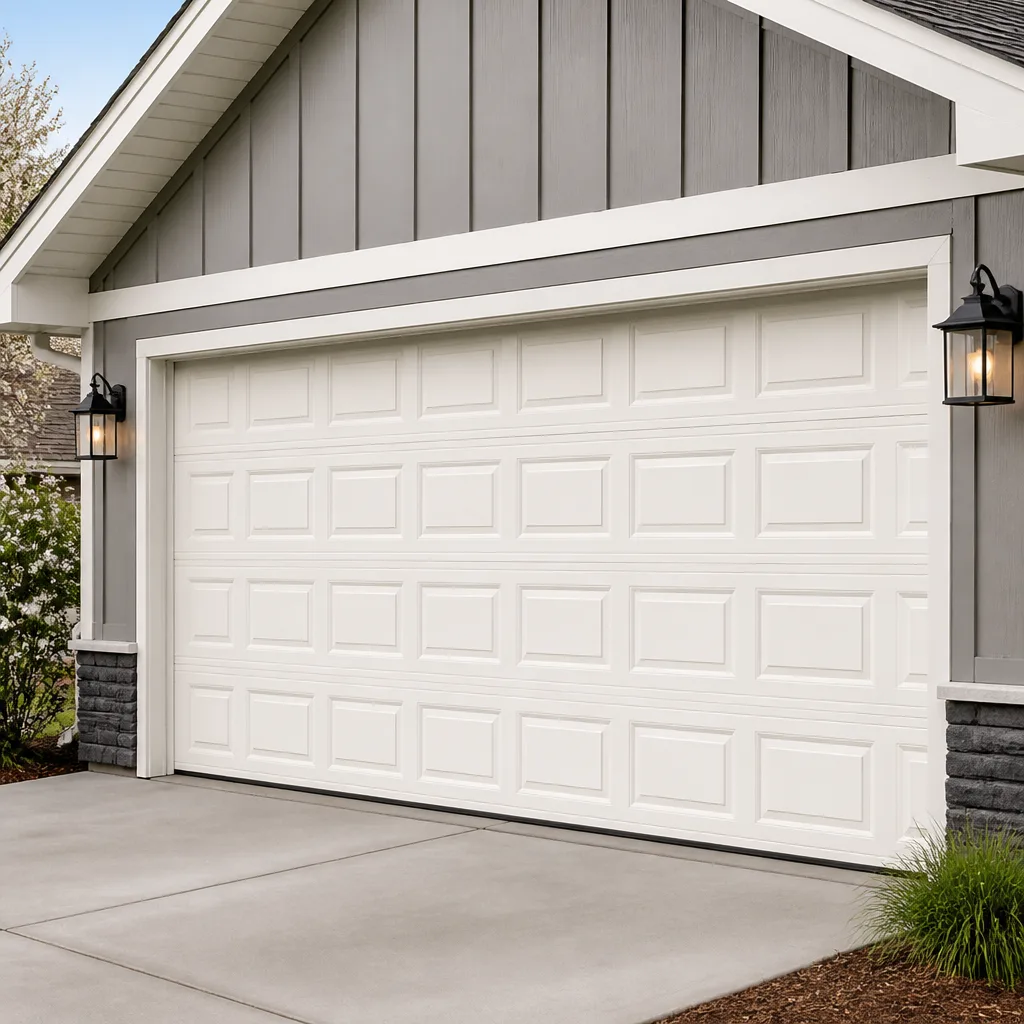 Raised-panel steel
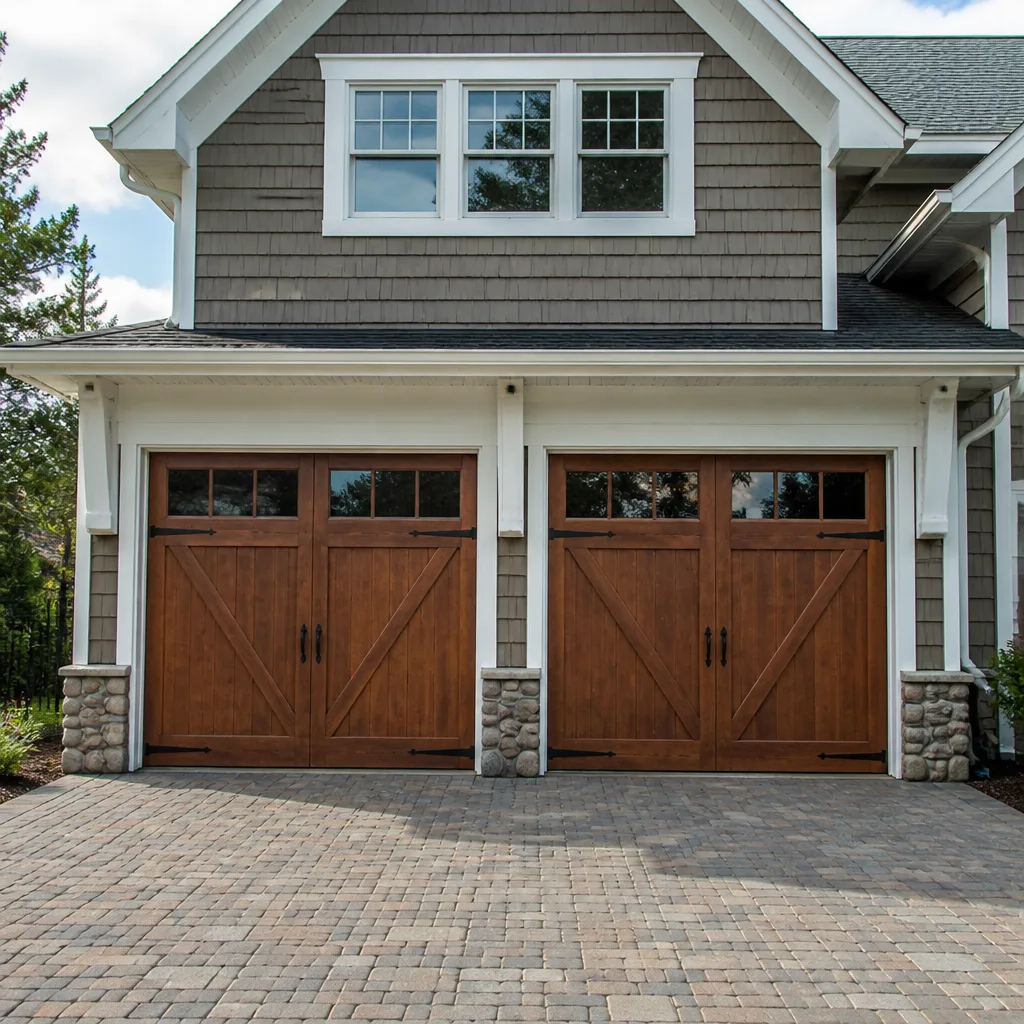 Carriage house
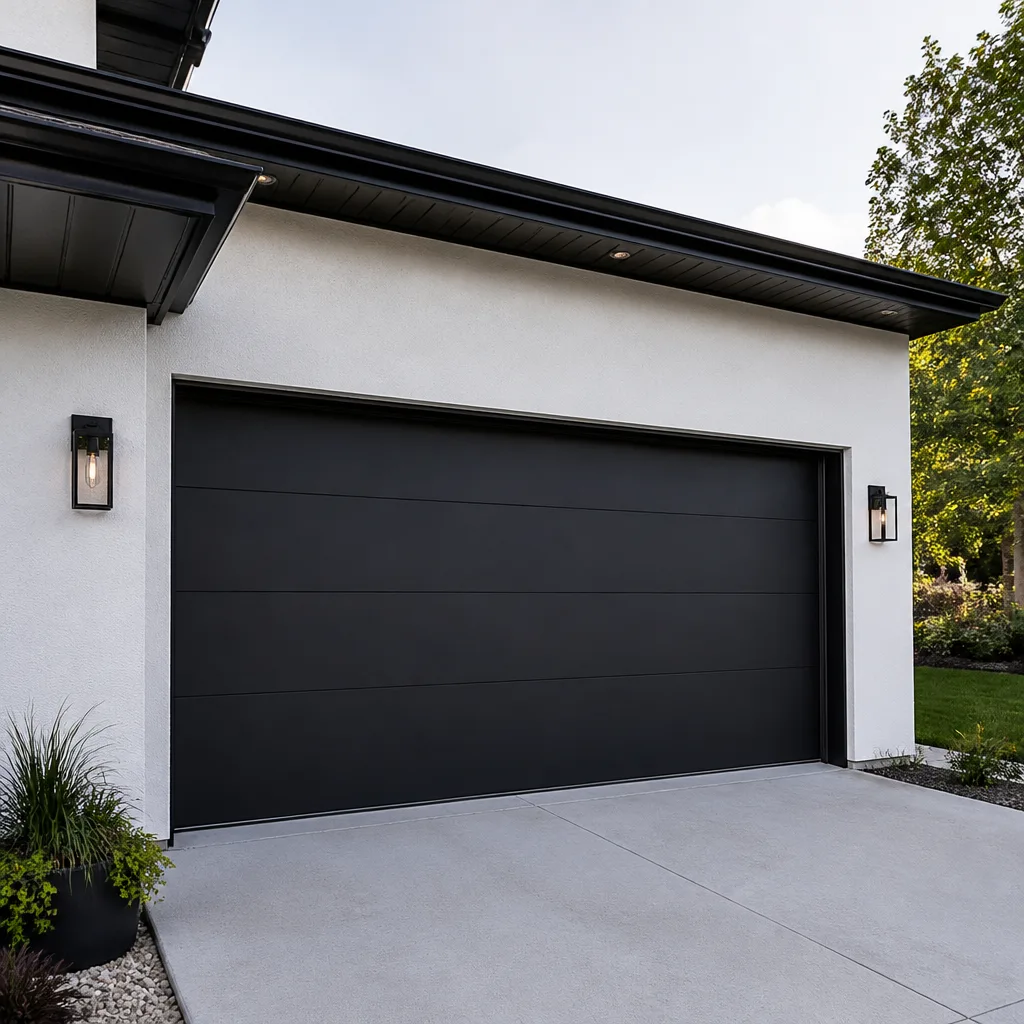 Modern flush
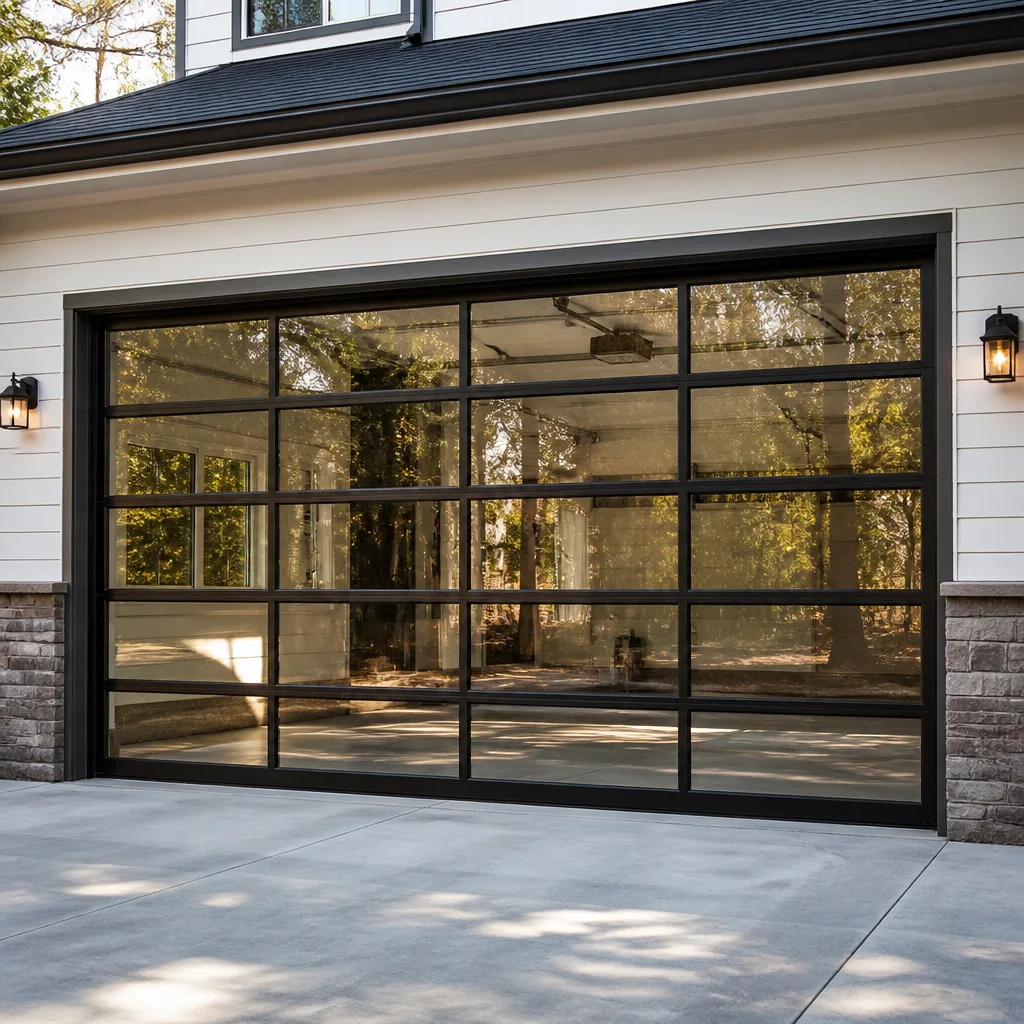 Full-view glass
 LiftMaster openers
 Chamberlain openers
Full 25-point door and opener safety check with every visit - springs, cables, rollers, tracks, and your LiftMaster or Chamberlain opener included
You get a price before we start. It does not change when the pro arrives.
Get your free estimateSeasonal Garage Door Care for Eldersburg: Year-Round Homeowner’s Guide
Winter gets all the attention. Every fall, somewhere in Carroll County, a homeowner braces for the freeze and treats the garage door like it only misbehaves when it’s cold. But in our experience, August humidity around Eldersburg warps more wood composite panels, swells more wooden tracks, and corrodes more cable ends than any January cold snap. The truth is simpler and more useful: this door has four seasons of wear, and each one attacks a different part of it. In this guide, we’ll walk through what each season actually does to your garage door in Eldersburg, what to check and when, and the one monthly test that catches a failing spring long before it strands you.
Styles & brands we work with
- Raised-panel steel
- Carriage house
- Modern flush
- Full-view glass
- LiftMaster openers
- Chamberlain openers
Quick Answer
Seasonal garage door care in Eldersburg means inspecting a different failure point each season: the bottom seal and rollers after winter freeze-thaw, heat expansion and humidity damage in summer, weatherstrip and lubricant before the first cold snap, and a frozen or stuck bottom seal in winter. The single most valuable habit year-round is a monthly door balance test, which reveals weakening springs before they break and the door won’t open.
Table of Contents
- Why Eldersburg’s Four Seasons Matter to Your Garage Door
- Spring: What to Inspect After Freeze-Thaw
- Summer: Heat, Humidity, and Opener Drift
- Fall: The Pre-Winter Prep Sequence
- Winter: A Frozen Bottom Seal and When to Leave It Alone
- The Monthly Balance Test That Catches Spring Problems
- The Year-Round Garage Door Care Calendar
- Common Mistakes to Avoid
- When to Call a Professional
- Frequently Asked Questions
- The Bottom Line
Why Eldersburg’s Four Seasons Matter to Your Garage Door
A garage door is a moving assembly of steel, wood, springs, cables, rollers, and hinges, and every one of those materials reacts to temperature and moisture. In a climate that stays fairly mild, the door settles into a routine and rarely surprises you. Eldersburg doesn’t offer that luxury. The area swings from humid summer afternoons in the upper 80s and low 90s to hard winter nights that drop well below freezing, and it does it twice a year, every year.
That swing is what wears a door out. Wood composite panels absorb moisture in the muggy months and release it in the dry, heated months, and each cycle leaves a little more movement behind. Steel doors expand in the sun and contract at night. Rubber seals stiffen in the cold and can crack when they’ve already been baked by summer heat. The hardware that holds all of it together, the springs and cables, lives under constant tension and quietly loses strength a fraction at a time.
None of that means you need to baby the door. It means the maintenance tasks are not interchangeable across the year. The things worth checking in March are not the things worth checking in September. Treating each season as its own chapter of care is how Eldersburg homeowners get a door that opens smoothly for a decade instead of one that fails in a February cold snap. If you’ve been meaning to sort out an issue you’ve noticed, our garage door repair service is a good starting point, and it often catches small problems worth fixing before they turn into big ones.
Spring: What to Inspect After Freeze-Thaw
Spring is when the damage from winter reveals itself. The freeze-thaw cycle works on a garage door the way it works on a road: water gets into small gaps, freezes, expands, and then leaves a slightly larger gap behind when it thaws. By the time the daffodils show up in Eldersburg, that cycle has usually left a few telltale marks. This is the season to look at three specific things.
The Bottom Seal
The rubber or vinyl seal along the bottom of the door takes the worst of winter. It sits on cold concrete, gets dragged over ice and grit, and flexes every time the door opens. Look for cracking, a flattened profile, or sections that have pulled away from the aluminum retainer. A seal that no longer meets the floor lets in water, cold air, and the occasional determined mouse. If it’s torn or brittle, plan to replace it before summer storms. If it’s just sitting unevenly, a small adjustment to the retainer may be all it needs.
Roller Wear from Ice Drag
Rollers get an unfair amount of wear in winter because the door is heavier to move when tracks are cold and stiff. If a roller has a flat spot or rumble when the door rolls, it’s on its way out. Spin each roller by hand with the door closed and look for wobble or grinding. Worn nylon rollers are cheap and easy to replace, and catching them early keeps the track from wearing down too.
Spring Tension Drift
Cold thickens the lubricant inside torsion springs and makes them work harder. Over a winter, a spring that was already weakening can drift noticeably. You’ll notice the door feels heavier when you lift it by hand (with the opener disconnected), or the opener strains more on the way up. Don’t try to adjust spring tension yourself. That’s one of the genuinely dangerous parts of a garage door, and we treat garage door spring repair as a core service for exactly that reason. A trained technician has the winding bars and the experience to do it safely.
Summer: Heat, Humidity, and Opener Drift
Summer in Eldersburg brings two things that quietly do more damage than winter cold: heat and humidity. Neither is dramatic. The failure builds slowly over weeks, which is why it so often goes unnoticed until something stops working.
Heat Expansion on Steel Doors
A steel door in direct sun can get hot enough to expand measurably along its width. That expansion is normal, and the door is built to handle it, but it does put pressure on the tracks and hinges. If you hear a faint popping or ticking sound in the afternoon and it vanishes after sunset, that’s usually expansion, not a mechanical failure. What’s worth checking is whether the tracks have started to bow outward from the repeated push. Run your hand along the inside of each vertical track and feel for a bend. A slightly bowed track causes the rollers to bind and the door to judder.
Humidity and Wood Composite Panels
Wood composite doors from brands like Clopay and Amarr are built to handle moisture, but humidity still takes a toll over time. August in Carroll County is the test. Look for panels that have begun to swell at the edges, paint that’s blistering near the bottom, and any soft spots you can find with a light press of your thumb. A single warped panel doesn’t mean the door is finished, but it’s worth addressing before the swelling spreads. Keeping the door painted or sealed is the best protection.
Why Opener Sensitivity Drifts Upward in August
Here’s something most homeowners never connect: an opener that worked fine in May starts reversing for no reason in August. Heat and humidity are usually the cause. Wood and composite doors swell slightly, tracks expand, and the door becomes a bit harder to move. That extra resistance trips the opener’s safety sensor, and the door reverses before it closes. The fix is usually a travel and force adjustment, but it’s worth ruling out a genuine mechanical bind first. If the door rolls freely by hand but the opener still reverses, the opener’s limits need a reset. Our garage door opener repair service handles that, including smart units like Chamberlain’s myQ and Genie’s Aladdin Connect systems, which can drift the same way after a firmware update.
Fall: The Pre-Winter Prep Sequence
This is the most important maintenance window of the year in Eldersburg, and it’s the one most homeowners skip. The work you do in October is what prevents the February emergency call. Here’s the sequence we recommend, in order, because each step makes the next one easier to check.
- Test the door balance. Disconnect the opener and lift the door halfway by hand. It should stay put with minimal effort. If it drops or rises on its own, the springs are out of balance and need attention before winter load hits them.
- Inspect the weatherstrip around the perimeter. The rubber seal around the sides and top of the door hardens with age. Press it with your thumb. If it feels stiff or has visible cracks, replace it before the cold sets in, when it will only get worse.
- Refresh the lubricant. Springs, hinges, rollers, and the bearing plates benefit from a proper garage door lubricant each fall. Don’t use WD-40, which is a solvent, not a lubricant, and will strip the existing grease. A lithium or silicone-based lubricant is what you want.
- Check the opener’s limit switches. Run the door up and down through a full cycle and watch where it stops. The door should meet the floor without compressing the seal and should stop at the top without slamming into the header. If either limit has drifted, adjust it now, when you’re not standing in the cold.
- Tighten the hardware. Hinges, brackets, and the track bolts loosen over a summer of opening and closing. A few minutes with a socket wrench tightens everything up and quiets the door.
- Look at the cables. Run your eyes along each cable for fraying, kinks, or rust near the drum. Cables are under extreme tension and should never be adjusted or handled by a homeowner. If either one looks worn, call a professional before winter.
Do this in October and you’ll head into winter with a door that’s ready for it. Skip it and you’re relying on luck.
Winter: A Frozen Bottom Seal and When to Leave It Alone
Winter is the season homeowners ask us about the most, and the most common question is also the most practical: what do you do when the garage door is frozen to the ground? The answer is less dramatic than you’d think, and there’s a right way and a wrong way.
Dealing with a Frozen Bottom Seal Safely
If the door won’t lift because the bottom seal is frozen to the concrete, don’t keep pressing the opener button. The opener will strain against a door that can’t move, and that’s how you burn out the motor or strip a gear. Instead, disconnect the opener (most have a red manual release cord) and free the seal by hand. A gentle tap along the bottom seal with a rubber mallet is usually enough to break the ice. Don’t use a metal shovel or an ice scraper on the seal itself, because you’ll tear it. If you have a few spare minutes, clear the snow and ice away from the base of the door, then apply a silicone spray to the seal’s contact edge to reduce the chance of it happening again.
When to Leave the Door Alone vs. When to Call
Some winter problems are safe to handle. Frozen seals, stiff hinges, and a door that groans a bit in the cold are normal, and a little lubricant and patience usually sorts them out. Here’s when to stop and make a call:
- A cable is visibly frayed or hanging loose.
- A spring has snapped or the door has suddenly become extremely heavy.
- The door is stuck partway up and won’t move in either direction.
- The opener runs but the door doesn’t move, or you hear grinding from the motor.
- Any situation where the door looks like it might come off the tracks.
A snapped spring, an off-track door, or a security situation when the door won’t close is exactly what our emergency garage door service is for. Garage Door Repair Eldersburg stands ready when it matters most, and the call is the safest choice when a winter problem crosses that line. We service doors and openers from eight major brands, so if you have a Wayne Dalton, a Craftsman, or a Clopay, we already know your equipment. If you’re comparing options before deciding what to do, this is also the moment to look at Garage Door Repair Eldersburg for a full picture of what we handle.
The Monthly Balance Test That Catches Spring Problems Early
If you do one maintenance task this year, make it this one. It takes about a minute, requires no tools, and it’s the single best way to catch a weakening spring before it fails.
Torsion and extension springs are the parts that lift your door. They are also the parts most likely to fail, and they rarely fail without warning. Instead, they weaken gradually over months, and the door gets heavier a little at a time. Because the change is gradual, most homeowners never notice until the spring snaps and the door won’t lift at all. The balance test catches that weakening in its early stages.
How to Run It
- Close the door and disconnect the opener using the manual release cord. This drops the door onto its own springs.
- Lift the door by hand to about waist height and let go.
- A balanced door stays where you leave it, with only minor settling.
- A door that drops toward the floor has weakening springs. A door that rises on its own has springs that are too tight.
- Reconnect the opener before using the door normally.
Run this test once a month. It’s the same test a technician uses on the first visit, and if you notice the door starting to drop, that’s your cue to call long before the spring fails. If you’re already seeing early signs or you simply want a trained eye to check it, we can help.
The Year-Round Garage Door Care Calendar
Here’s the condensed version, season by season, so you can plan the work around the annual rhythm of living in Eldersburg.
- March through May: Inspect the bottom seal for cracking and separation, spin each roller by hand for flat spots, and run the balance test. Watch for signs the springs have drifted over winter.
- June through August: Check the tracks for bowing, look at wood composite panels for swelling or blistering, and watch for opener sensitivity drift (the door reversing mid-cycle). Lubricate hinges and rollers lightly, and consider a dehumidifier in a closed garage if the panels have been swelling.
- September through November: Run the full pre-winter prep sequence: balance test, weatherstrip check, lubricant refresh, limit switch check, hardware tightening, and cable inspection. This is when you want the door ready before the first hard freeze.
- December through February: Watch for a frozen bottom seal, keep the door’s path clear of ice and snow, and avoid running the opener on a door that won’t move. Call if anything crosses into the danger signs we listed above.
- Every month, all year: The balance test. One minute, no tools, and the single best early warning you’ll get for a failing spring.
This calendar works whether you have a steel door, a wood composite, or a more modern door with smart opener integration. The failure points change with material, but the timing of the checks is the same. Homeowners in neighborhoods like Eldersburg’s older developments and newer subdivisions alike find that sticking to this schedule is what keeps a door running quietly year after year.
Common Mistakes to Avoid
- Using WD-40 on the springs and hinges. It’s a solvent, not a lubricant, and it strips the grease that’s actually protecting the moving parts. Use a proper garage door or lithium lubricant once a year instead.
- Adjusting the springs yourself. Torsion springs are under enormous tension and can cause serious injury if handled without the right tools and experience. We won’t give step-by-step spring adjustment instructions because it’s genuinely dangerous. Call a trained technician.
- Running the opener against a stuck door. If the door won’t lift, the opener will strain against it and can burn out the motor. Disconnect the opener first, free the door, then reconnect.
- Skipping the fall prep because the door “seems fine.” A door that works in October can seize up in a February freeze, and fall is the only season when you actually have time to catch it.
- Ignoring a slowly weakening spring. A door that drops during the balance test is telling you the spring is on its way out. Waiting until it breaks means an emergency call, usually at the worst possible time.
- Assuming the opener’s brand is unsupported here. If a technician doesn’t recognize your LiftMaster, Chamberlain, Genie, Clopay, Amarr, Wayne Dalton, Craftsman, or Raynor equipment, that’s a problem with the technician, not the door. We service all eight.
- Letting summer humidity go unmanaged. A garage that stays sealed and damp through August will eventually show up as warped wood composite panels, swollen tracks, and corroded cable ends. Crack a window or run a fan to keep the air moving.
When to Call a Professional
Some seasonal care belongs in your hands: seal checks, roller inspections, lubrication, and the balance test. But a few situations should always go to a trained technician. A visibly frayed cable, a snapped spring, a door stuck partway up, a door off its tracks, or any moment when the opener runs but the door doesn’t move. These are the situations where the door itself is no longer safe to operate, and no amount of seasonal care will fix them. Our technicians have up to 9 years of experience, and we handle both the diagnostic side and the work itself. Garage Door Repair Eldersburg offers free estimates in Eldersburg and across the surrounding Carroll County area. Call (877) 704-0356 for an exact quote. Estimates are free, and the written estimate sets the price before any work begins.
Frequently Asked Questions
Do a focused check each season and a one-minute balance test every month, all year. Spring, summer, fall, and winter each put stress on different components, so the checks change with the calendar. Fall is the most important season for a full prep sequence because it prevents most winter emergencies.
Heat and humidity cause doors to swell and tracks to expand slightly, which adds resistance the opener senses as an obstacle. The door reverses as a safety response. If it rolls freely by hand but reverses with the opener, the opener’s travel and force limits need a reset. Call (877) 704-0356 for an exact quote if it keeps happening. Estimates are free.
Yes, if the seal is simply frozen to the concrete. Don’t keep pressing the opener. Disconnect the opener, tap the seal gently with a rubber mallet to break the ice, clear the ice away, and apply silicone spray to the seal’s edge. If the seal is torn or the door won’t move after the ice is clear, that’s a call.
Spring repair pricing depends on whether you have a single spring or a matched pair, and a pair costs roughly twice a single spring. We give you a written estimate before any work starts, and the written estimate sets the final price. Call (877) 704-0356 for an exact quote. Estimates are free.
The local professionals we connect you with are licensed and insured as their state requires. All work is quoted and agreed before it begins, and estimates are free. Call (877) 704-0356 for an exact quote.
No. The written estimate sets the price before any work begins. If we find something unexpected during the job, we stop and talk it through with you before proceeding. You approve every change before we do the work.
The Bottom Line
Seasonal garage door care in Eldersburg isn’t about doing one big task once a year. It’s about a different check each season: the seal and rollers after winter freeze-thaw, the panels and tracks and opener drift through summer, the full prep sequence in fall, and a careful hand with a frozen seal in winter. Layer the monthly balance test on top of that, and you’ll catch most problems while they’re still small, cheap, and safe to fix. When a problem crosses into a snapped spring, a frayed cable, or a door off its tracks, stop and call. Garage Door Repair Eldersburg handles your brand, from Clopay to Wayne Dalton to Craftsman. Call (877) 704-0356, and we’ll get you a written estimate before any work starts. We answer 24/7. Fast dispatch from 7am to 7pm, Sunday through Friday.
Written by the team at Garage Door Repair Eldersburg.
See the difference
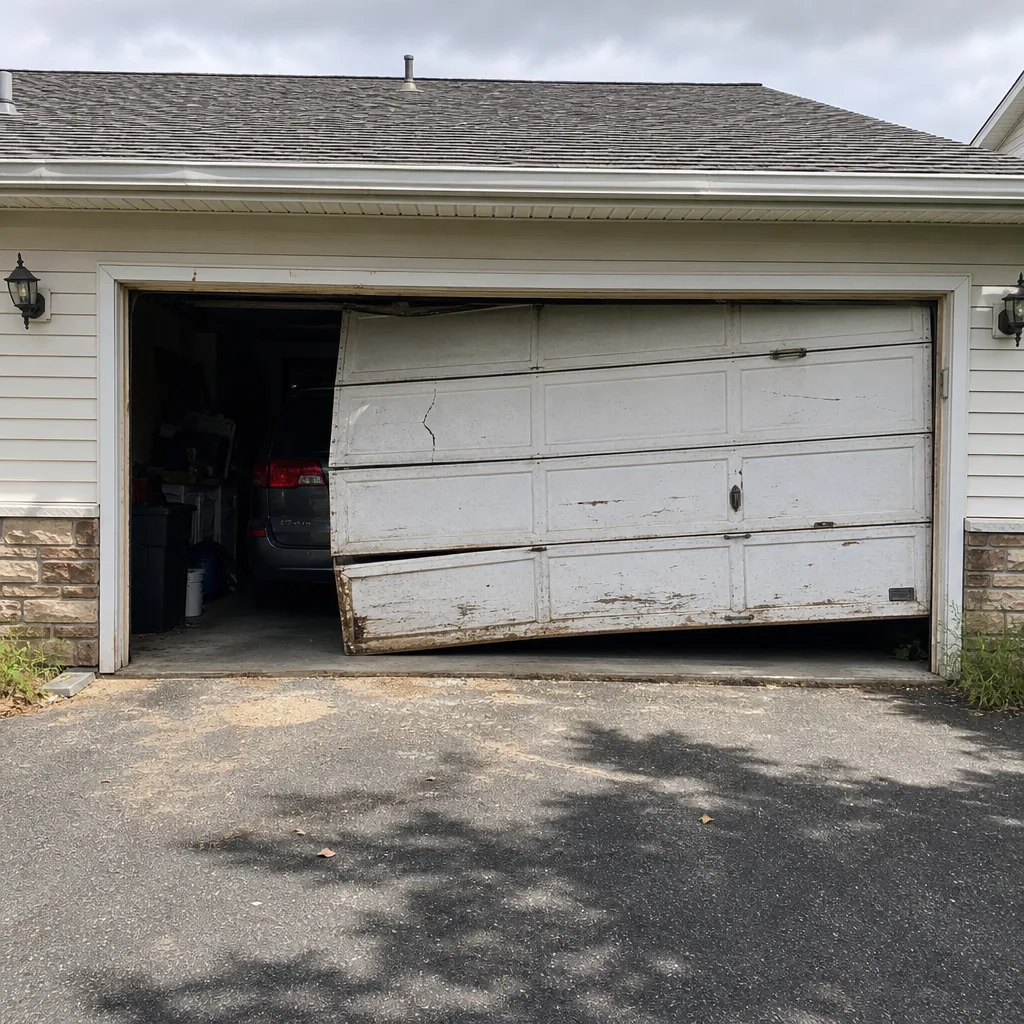 Before
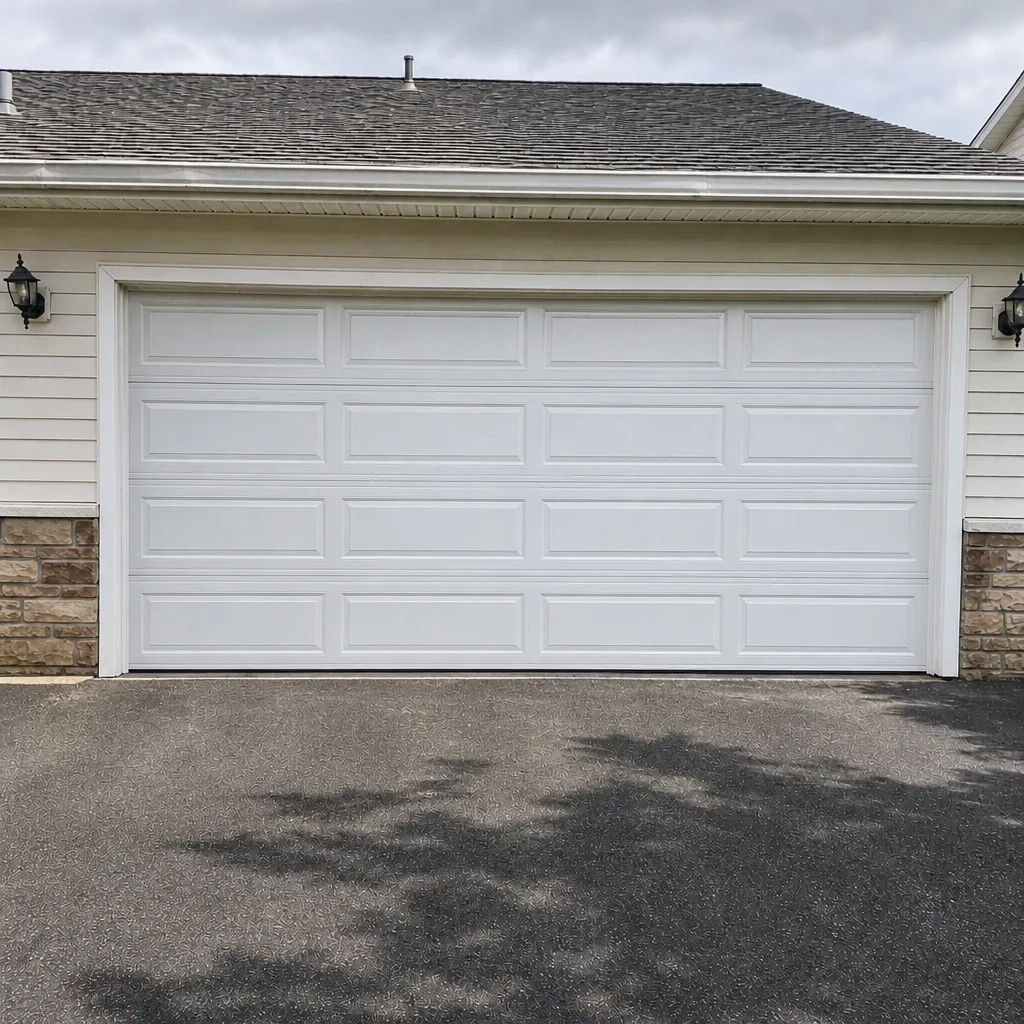 After
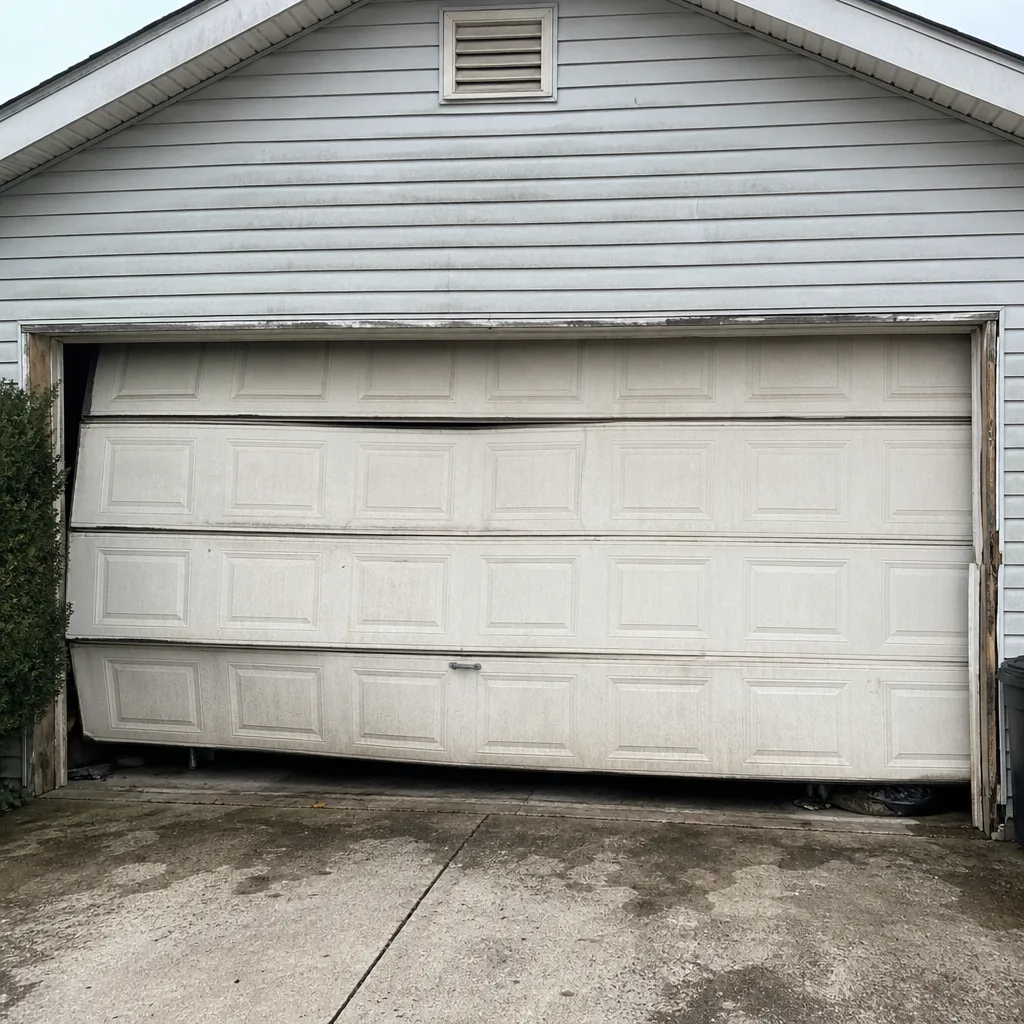 Before
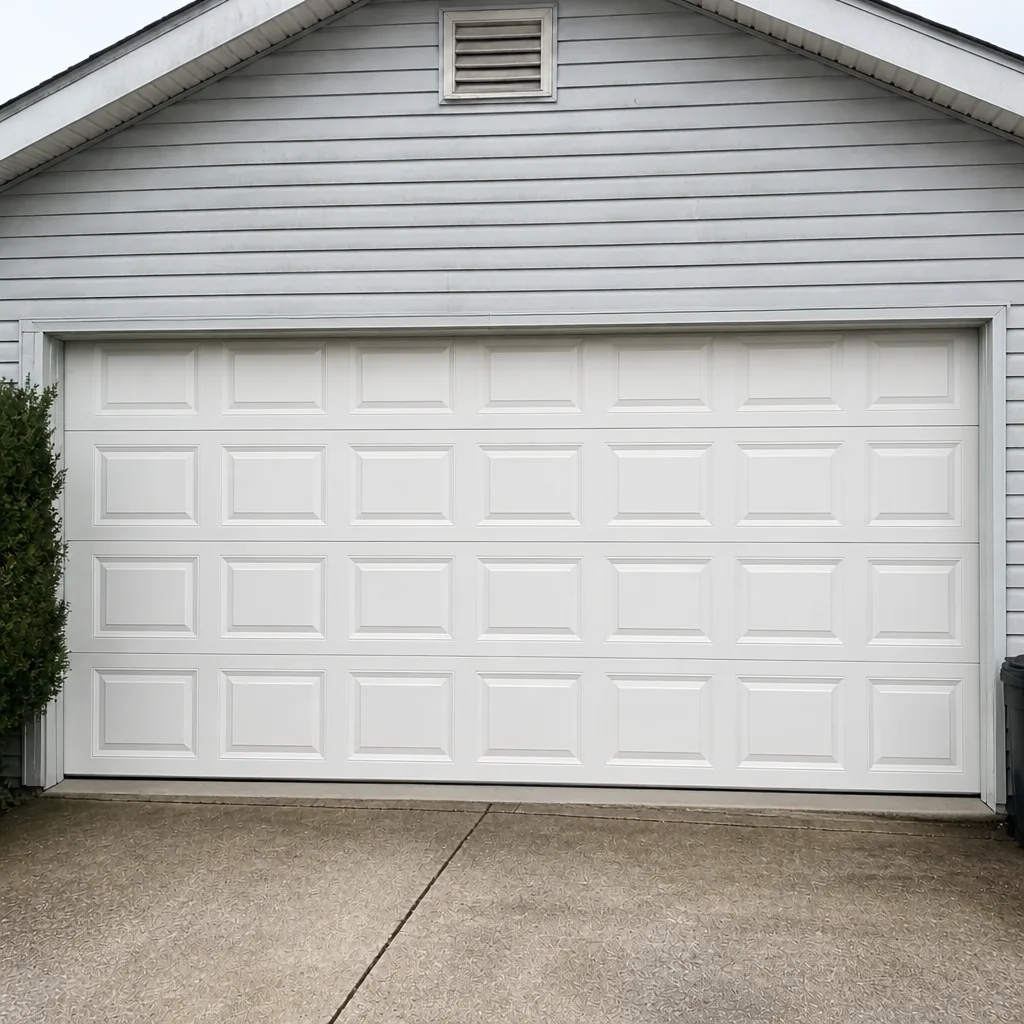 After
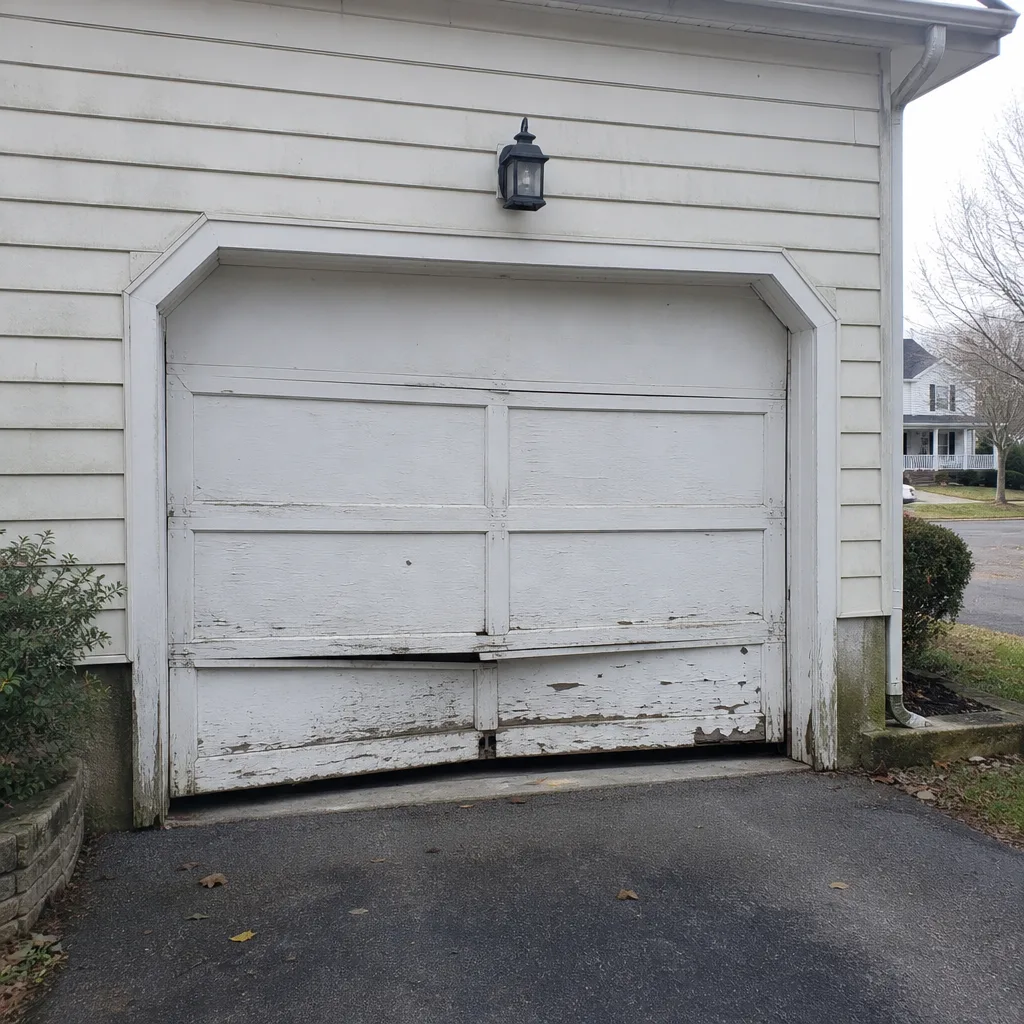 Before
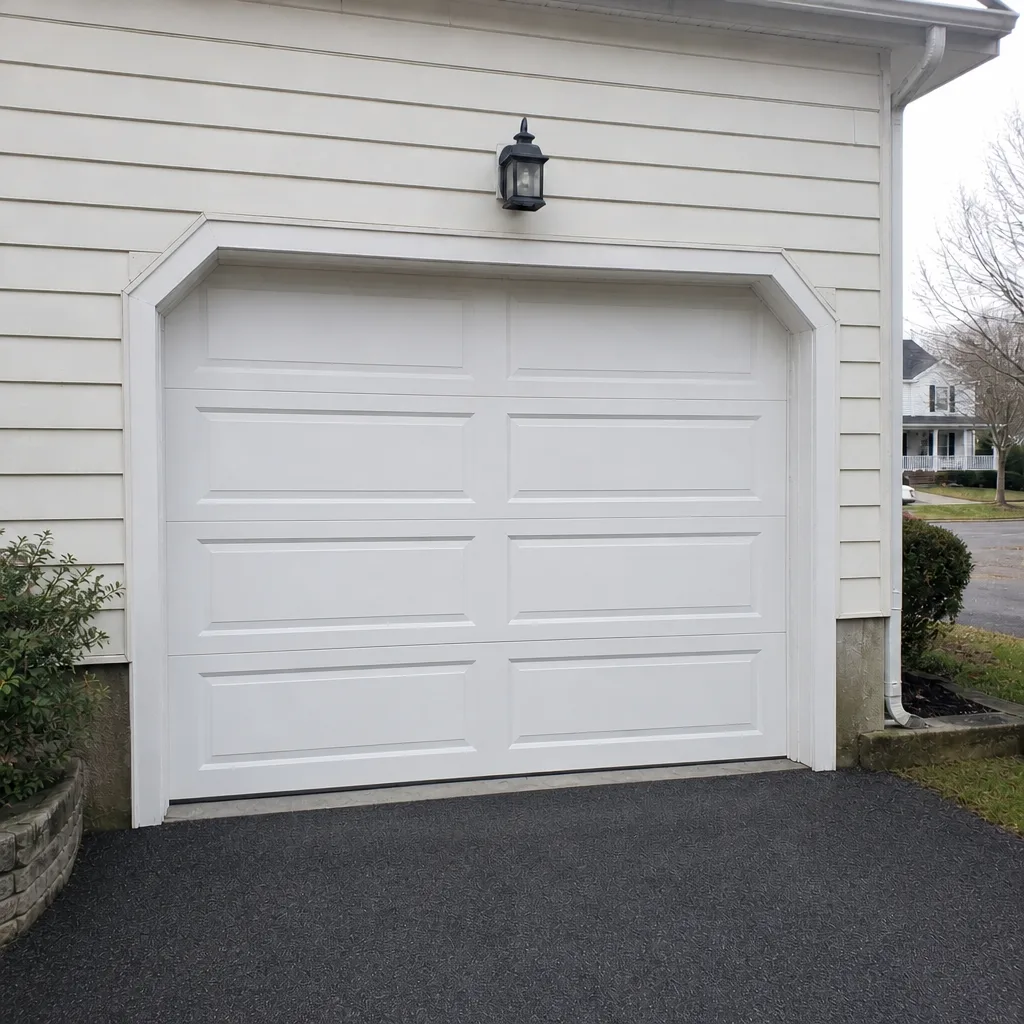 After