
Last updated November 22, 2026
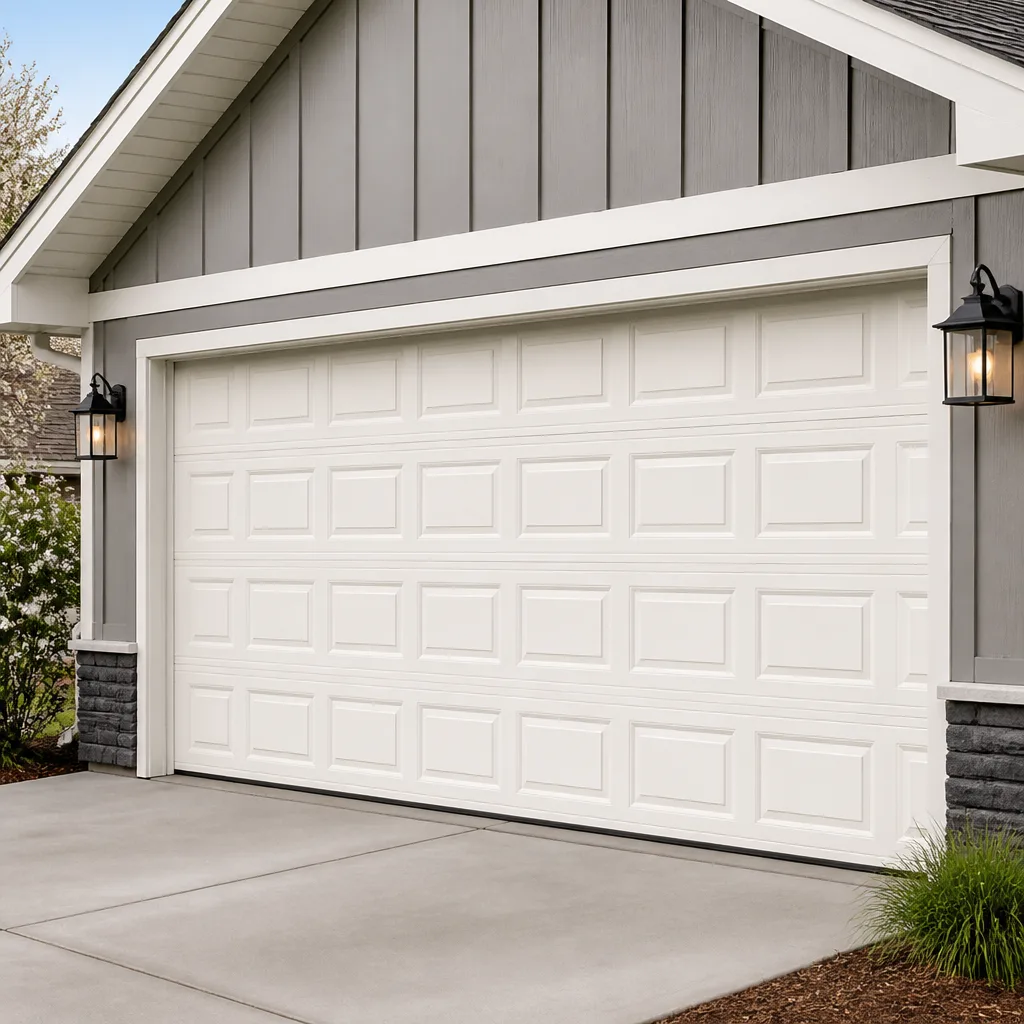 Raised-panel steel
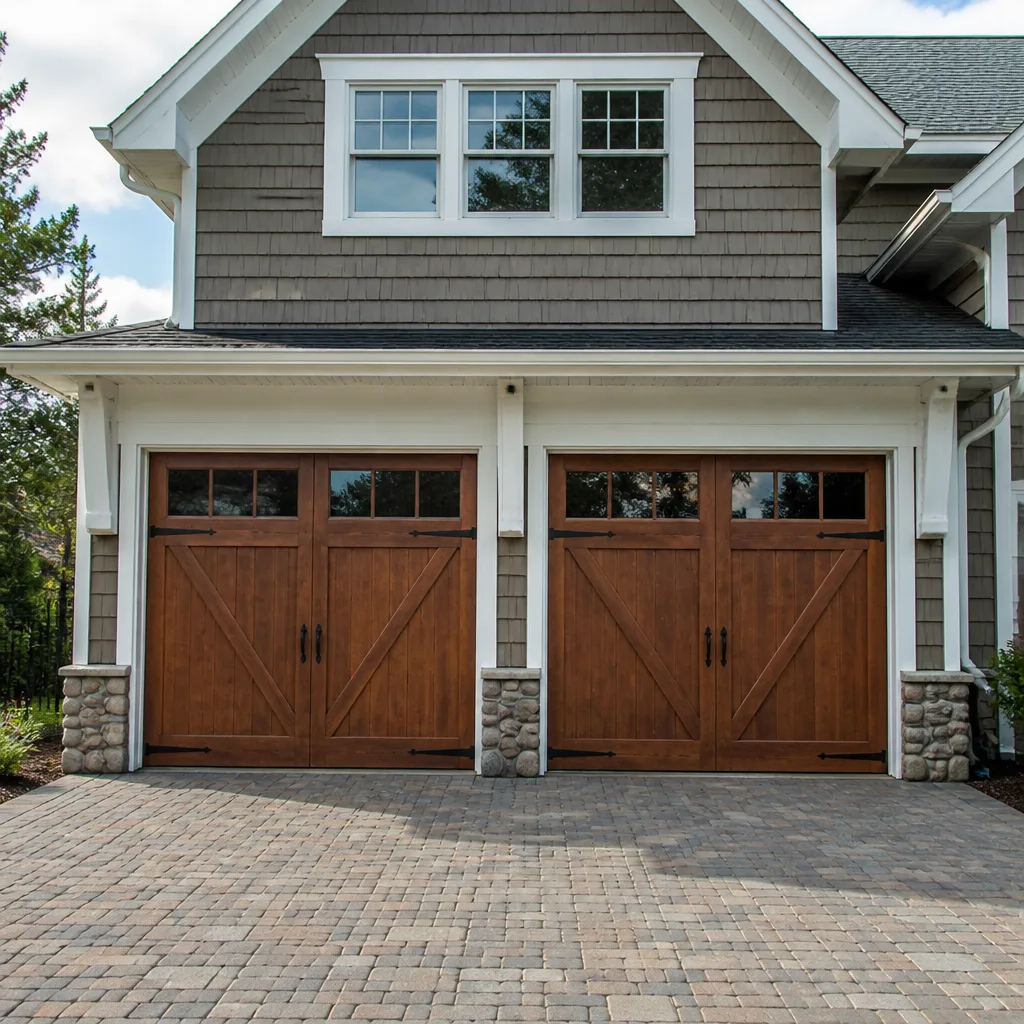 Carriage house
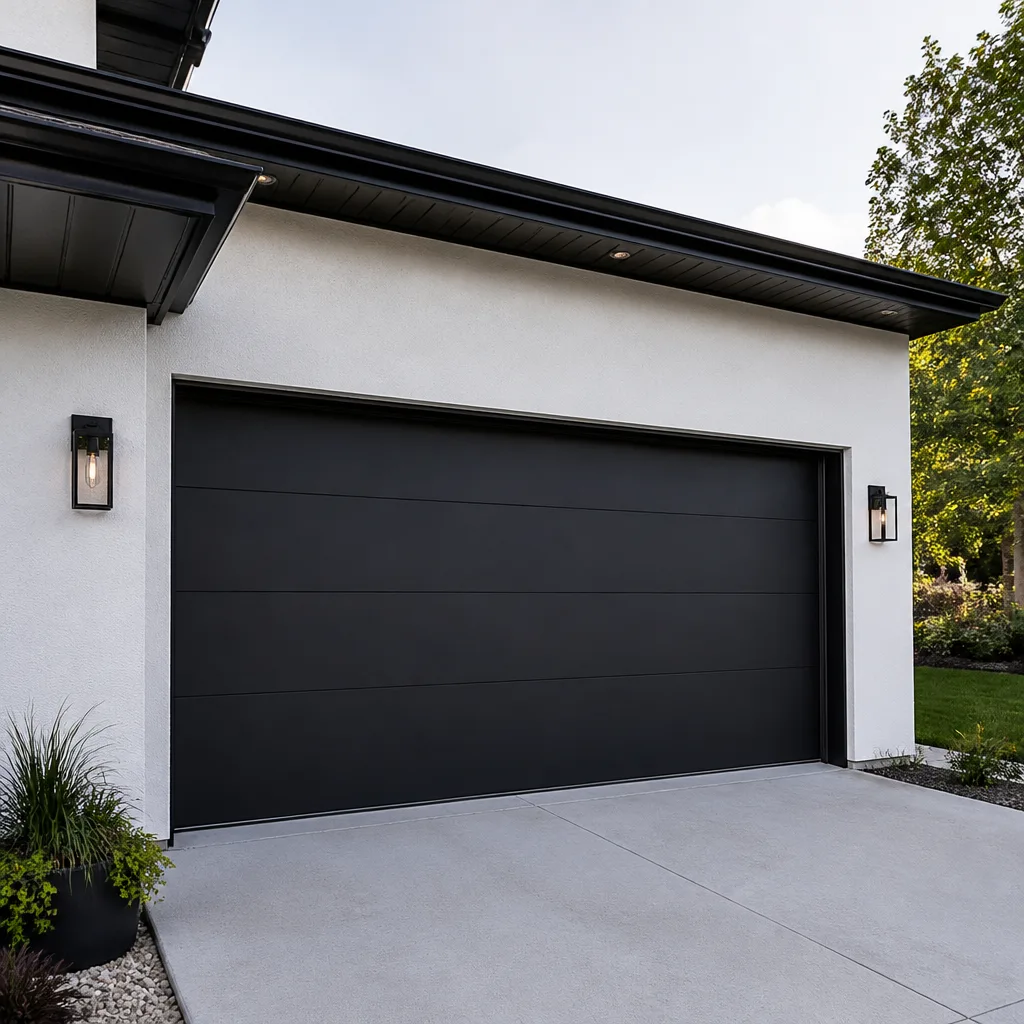 Modern flush
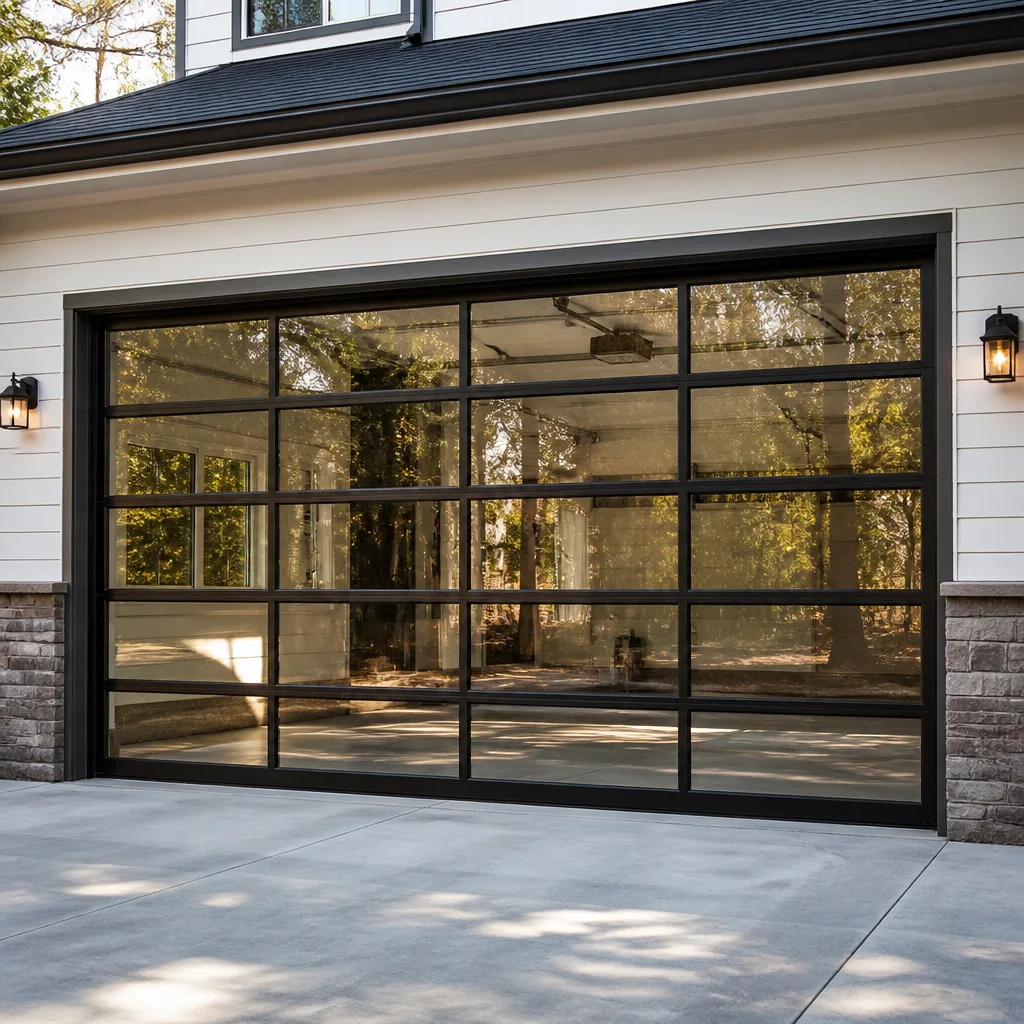 Full-view glass
 LiftMaster openers
 Chamberlain openers
Full 25-point door and opener safety check with every visit - springs, cables, rollers, tracks, and your LiftMaster or Chamberlain opener included
You get a price before we start. It does not change when the pro arrives.
Get your free estimateGarage Door Emergency Preparedness Guide for Eldersburg Homes
Most homeowners discover they don’t know where the emergency release cord is, what it actually does, or when not to pull it at the worst possible moment, usually when a spring just snapped and the door is stuck mid-travel. We’ve walked up to plenty of doors in Eldersburg where the real damage started after someone yanked that cord on a door with a broken spring, not before. A garage door failure at 11pm is rarely just inconvenient. If your car is trapped inside or the door won’t close, it’s a security and weather exposure problem that calls for a prepared response instead of a panicked one. This guide walks through what that preparation looks like before anything breaks.
Quick Answer
A garage door emergency in Eldersburg is any failure that leaves your home open to the weather or to intruders, traps your vehicle inside, or involves a broken spring under tension. For those situations, call for emergency service rather than improvising. Most other problems, like a slow opener or a noisy roller, can safely wait for a scheduled repair during normal dispatch hours.
Styles & brands we work with
- Raised-panel steel
- Carriage house
- Modern flush
- Full-view glass
- LiftMaster openers
- Chamberlain openers
Table of Contents
- What Actually Counts as a Garage Door Emergency?
- The Emergency Release Cord: What It Does and When Not to Pull It
- How to Manually Secure a Door That Won’t Close
- Carroll County Power Outage Protocol
- Pre-Emeregency Preparation: What to Document Now
- Waiting For Morning vs. Calling for Emergency Service
- Why Broken Springs Are a Different Kind of Emergency
- Seasonal Garage Door Stress in Eldersburg
What Actually Counts as a Garage Door Emergency?
An emergency is any condition where the door can’t be left as it is until morning without risk. The rest is urgent, not emergent, and the difference matters because it decides whether you’re calling a technician out now or scheduling the first available slot. In our experience, about half the calls that come in described as emergencies could have waited once we hear the details, and the other half really did need attention that night.
These are the conditions that qualify:
- The door is open and won’t come down. Your home is exposed to the street, to rain, and to anyone walking by. That’s a security and weather problem, not cosmetic.
- Your vehicle is trapped inside. If the door won’t lift and you can’t get the car out for a morning commitment, that’s a genuine access crisis.
- A torsion or extension spring has broken while the door is under load. The door is now held up by the opener alone, and the opener isn’t designed for that weight. This is the most serious category and the one where DIY effort causes the most injuries.
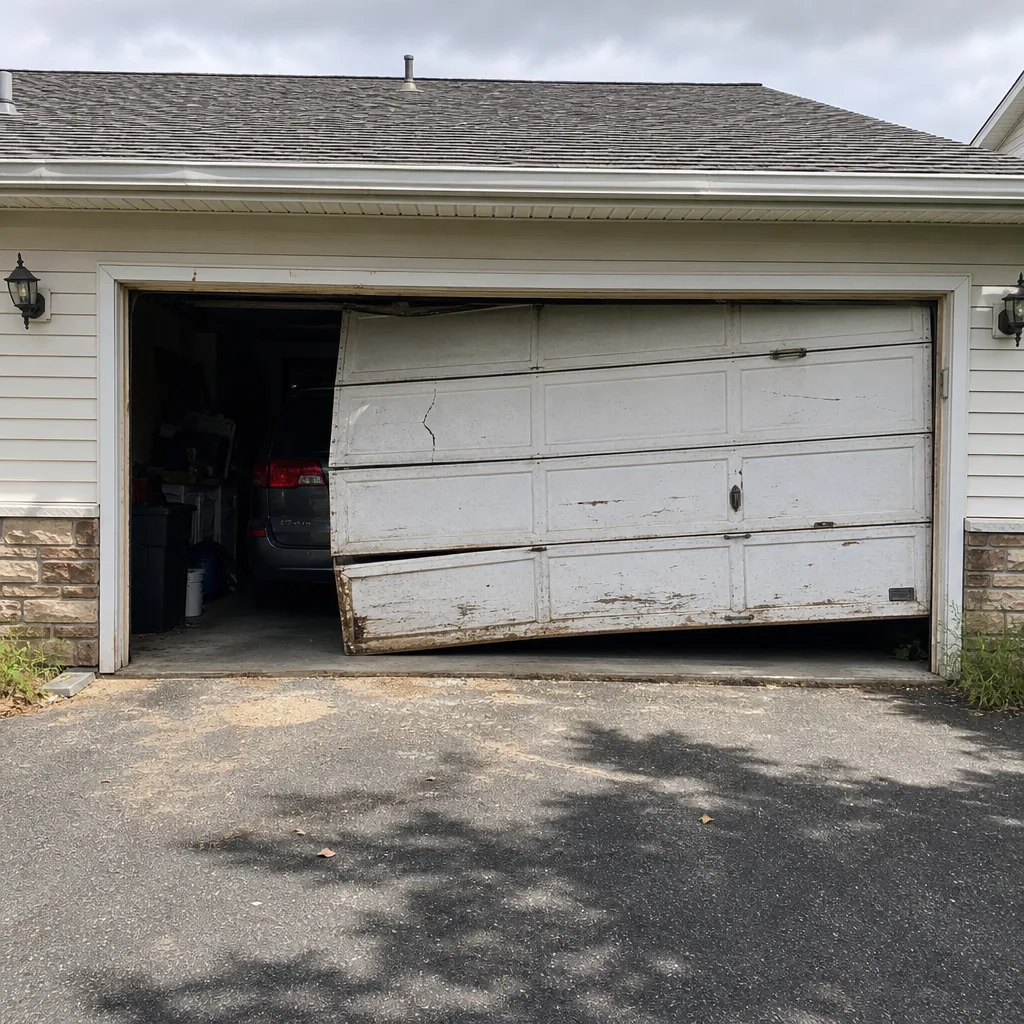
- The door has come off one track or is hanging at an angle. Continuing to run the opener can bend panels, twist the torsion tube, or drop the door entirely.
- The door is stuck half-open with a gap at the bottom. Small enough to look harmless, large enough for weather, animals, and anyone who wants in.
What usually doesn’t qualify: a noisy door that still operates, a remote that stopped working, a photo-eye that needs realigning, or an opener that reverses on the way down but then works on a second try. Those are worth fixing, but they can wait for a normal dispatch window in Eldersburg. If you can’t tell which category your door falls into, describe what it’s doing over the phone and we’ll tell you straight whether it’s a tonight problem.
The Emergency Release Cord: What It Does and When Not to Pull It
The red cord hanging from your opener trolley disconnects the door from the opener’s carriage so the door can be moved by hand. That’s its entire job. It does not release the springs, it does not lock anything, and it does not make a broken door safe. It’s a mechanical disconnect for the drive system, nothing more.
Pulling it is the right move in one common situation and the wrong move in another, and knowing which is which prevents most of the damage we see.
When it’s safe to pull
If the power is out and the door is fully closed and undamaged, pulling the cord lets you lift the door by hand so you can get the car out. A properly balanced door should lift with one hand and stay where you put it. If it takes real effort, or if it slams down when you let go, stop and leave it closed. That’s a spring problem, not a power problem.
When pulling it makes things worse
If a spring has broken, the door is no longer counterbalanced, and it can weigh well over a hundred pounds. Pulling the release cord disconnects the opener, and the opener was the only thing holding the door up. The door can come down hard and fast with nothing to stop it. We’ve seen this exact sequence damage panels, bend tracks, and put people in the emergency room. If you suspect a broken spring, hear a loud bang from the garage, or see a gap in the coil above the door, do not pull the cord and do not try to lift the door. Keep everyone clear and call for spring repair.
On doors with a LiftMaster or Chamberlain opener, the trolley sits on the rail and the cord hangs from it. On Genie and Craftsman units the release mechanism is similar but the carriage looks different. The principle is the same on all of them, which is why the rule holds regardless of the brand on your ceiling. When in doubt, leave the cord alone and call.
How to Manually Secure a Door That Won’t Close
A door stuck open is the most common emergency we hear about in Eldersburg, and it’s the one where a homeowner can do something useful without touching anything dangerous. The goal isn’t to fix the door. It’s to close the opening and keep the house secure until a technician arrives. Here’s the sequence we recommend.
- Disconnect the opener from the wall or the app. If the door is trying to close and reversing, or grinding, stop it from cycling. A door that keeps trying to move while jammed damages the opener gear and the panels.
- Clear the doorway and the tracks. Look for a toy, a shovel, a piece of debris, or a bent track section blocking travel. Sometimes that’s the whole problem and the door will close once it’s clear.
- Lower the door by hand only if it moves freely. With the release cord pulled on a door with no spring damage, you can guide it down slowly. If it resists, don’t force it.
- Lock the door in the closed position. Most doors have manual slide locks on the inside. If yours doesn’t, a pair of locking pliers on the track just above a roller, or a brace across the inside of the door at the bottom, will hold it shut.
- Brace the bottom panel from the inside with something that won’t shift, so the door can’t be lifted from outside without effort.
That gets you through the night with the house closed up. It does not repair anything, and it shouldn’t be left in place longer than necessary because a braced door can hide a track or spring problem that gets worse. In Eldersburg, where summer thunderstorms and winter ice both push water toward a garage opening, getting the door closed before a storm arrives matters as much as the security side.
Carroll County Power Outage Protocol
Extended outages happen here, usually after a summer storm or an ice event, and the garage door is often the first thing people test when the power comes back. The way you handle the door during and after an outage determines whether the opener survives it.
During the outage
- Pull the release cord only once, and only if the door is fully closed and undamaged. Re-engaging and re-releasing the carriage repeatedly wears the mechanism.
- Move the door by hand slowly. Don’t let it drop the last few inches onto the floor.
- Leave the door in the position you need it. Don’t prop a half-open door with a brick or a board, because the door can shift and come down.
- Keep the door closed when you’re not using it. An open garage during a storm invites water into a space that usually holds tools, stored goods and, in many Eldersburg homes, the laundry.
When the power returns
- Push the wall button once, not repeatedly. The opener needs to re-engage the carriage, and cycling it repeatedly can confuse the travel limits.
- Watch the first full cycle all the way up and all the way down. If the door reverses, stops short, or sounds different, stop using it and call for opener repair.
- Re-check the safety reversal. Put a box or a piece of lumber in the door’s path and confirm the door reverses when it contacts it. If it doesn’t, the opener needs attention before anyone relies on it.
- Re-test the remotes and the keypad. A power surge can scramble the memory on some units, and re-pairing them is a normal step after an outage.
If the opener won’t re-engage after two tries, don’t force it. On LiftMaster and Chamberlain units the trolley sometimes needs to be re-engaged manually by hand with the door in the closed position. If that doesn’t take, it’s a service call, not a wrestling match.
Pre-Emergency Preparation: What to Document Now
The single most useful thing you can do before anything breaks is spend twenty minutes gathering information while the door still works. When a spring snaps at 11pm, you won’t want to be crawling around the garage looking for a model number with a flashlight. Here’s what to have on hand, in a note on your phone or taped inside the garage wall.
- The door manufacturer and model. Look for a sticker on the inside of the top or bottom panel. Clopay and Amarr doors carry model labels, and knowing yours tells a technician what spring and hardware the door was built around.
- The opener brand and model. The label is usually on the back or the side of the motor housing. Note whether it’s a smart-capable unit, because that determines how we troubleshoot connectivity versus mechanical faults.
- The spring type and count. Torsion springs run above the door on a shaft; extension springs run alongside the tracks. Note how many you have and roughly how long they are. Don’t measure a spring under tension with your hands, just note what you see from a safe distance.
- A photo of the whole door and the opener. A phone photo taken from the middle of the garage saves a lot of guessing over the phone.
- Your technician’s direct line saved in your contacts. Save (877) 704-0356 now, before you need it.
- The location of the manual disconnect. Find the release cord, note what color it is on your door, and make sure everyone in the house knows what it looks like and where it hangs.
One more piece of preparation that’s easy to overlook: know what brand your door and opener are, and know whether anyone in your area can actually work on that brand. We service eight of the most common residential brands, including LiftMaster, Chamberlain, Genie, Clopay, Amarr, Wayne Dalton, Craftsman and Raynor, so a call doesn’t turn into a scavenger hunt for somebody who knows your equipment.
Waiting For Morning vs. Calling for Emergency Service
The decision comes down to one question: can your home stay in its current condition safely until the next dispatch window? If yes, schedule a repair. If no, call now. Here’s how we’d frame it if you were on the phone with us.
Call now if: the door is open and can’t be closed, your car is trapped inside and you need it, a spring has broken and the door is hanging, the door is off the track or at an angle, or the door has come down on something and won’t reverse. These conditions get worse with time, and some of them get dangerous with time.
Schedule a repair if: the door works but is noisy, the opener responds slowly or intermittently, a remote or keypad doesn’t work, the weather seal is torn, or the door reverses on the first try but works on the second. None of these leave your home exposed tonight, and getting them fixed on a normal schedule is cheaper and less rushed.
The intermediate case is a door that closes but only with help, or one that’s stuck closed with your car inside. You can usually wait until the next morning for those, but call early. In Eldersburg, we get a lot of calls the morning after a storm, and the earlier your call goes in, the earlier in the day we can get to you. If you’re not sure which category you’re in, the call itself is free and we’ll tell you honestly whether you can wait. That’s the same approach we take when we’re deciding between garage door repair and a full replacement.
Why Broken Springs Are a Different Kind of Emergency
Springs are the one part of a garage door system that can hurt you badly enough to require a hospital visit, and they’re also the part most likely to fail without warning. A torsion spring is wound under considerable tension to counterbalance the door’s weight. When it breaks, all of that stored energy releases at once, which is the loud bang people hear from inside the house. After that, the door is dead weight on the opener and the cables.
This is why spring repair is a service we treat as its own category rather than a handyman task. The work involves winding and unwinding a spring under load with the right bars and the right technique, and getting it wrong has serious consequences. We don’t publish step-by-step instructions for that reason, and we’d ask you not to look for them. If you see a gap in the coil, hear a bang, or find the door won’t lift more than a few inches while the opener runs, stop and call for garage door spring repair.
Extension springs, common on older doors around Eldersburg, carry their own risk and should have a safety cable running through them to contain the spring if it breaks. If yours don’t have cables, that’s worth addressing as a preventive measure before something fails. A spring that breaks cleanly is a repair. A spring that breaks and whips through the garage is a much worse day.
The other spring-related emergency is the door that’s stuck half-open in the track. Don’t force it. The cables and drums are under tension at that point, and moving the door by hand can release a cable or bend a drum. Keep people and cars clear of the door and call.
Seasonal Garage Door Stress in Eldersburg
Garage doors here take a specific beating across the year. Summer humidity swells wood panels and wood-core doors, which can bind against the weather seal and put extra load on the opener. Winter brings freeze-thaw cycles that heave the concrete apron at the bottom of the door and can throw the bottom seal out of alignment, and the metal in the tracks contracts and can pop a roller out of position. Spring and fall bring the temperature swings that are hardest on springs, because the metal cycles between expanded and contracted over and over.
None of that is unique to any one house, but the combination is what makes preparation pay off here. A door that’s marginally out of balance in July will often fail in January. If your door has been noisy or slow for a while, get it looked at before the season changes rather than after. Our technicians have up to 9 years of experience across the common residential brands, and a lot of that experience is reading a door’s condition and telling a homeowner what’s about to fail rather than what already has.
Power reliability also varies with the weather. Summer storms and winter ice both knock out power in this part of Carroll County, and the garage door is the first thing people test when it comes back. That’s why the outage protocol above is worth pinning inside the garage.
Common Mistakes to Avoid
- Pulling the emergency release cord on a door with a broken spring. The opener is holding the door up, and disconnecting it can bring the door down hard. If you suspect a spring failure, leave the cord alone.
- Forcing a stuck door back onto the track by hand. A door that’s off track is under load from the springs and the cables, and forcing it can release tension unpredictably. Stop and call.
- Running the opener on a door that won’t move freely. The opener isn’t designed to lift the door’s weight, only to guide a balanced door. Every cycle on a stuck door wears the gear and the motor.
- Bracing an open door with a brick or a board and leaving it overnight. A braced door can shift and come down, and the brace can hide a problem that gets worse. Use a proper lock or pliers on the track, and only as a short-term fix.
- Not knowing what brand your door and opener are. When you need help, the model number saves time. Skipping that step is the reason some emergencies take longer to solve than they should.
- Ignoring a loud bang from the garage. A bang followed by a door that won’t lift is a broken spring, not a fluke. Treat it as an emergency even if the door still seems to work.
- Calling a general handyman for spring work. Springs are the most mechanically dangerous part of the system. That’s a specialist job, and it’s the one we’d most want to handle rather than see someone improvise.
See the difference
 Before
 After
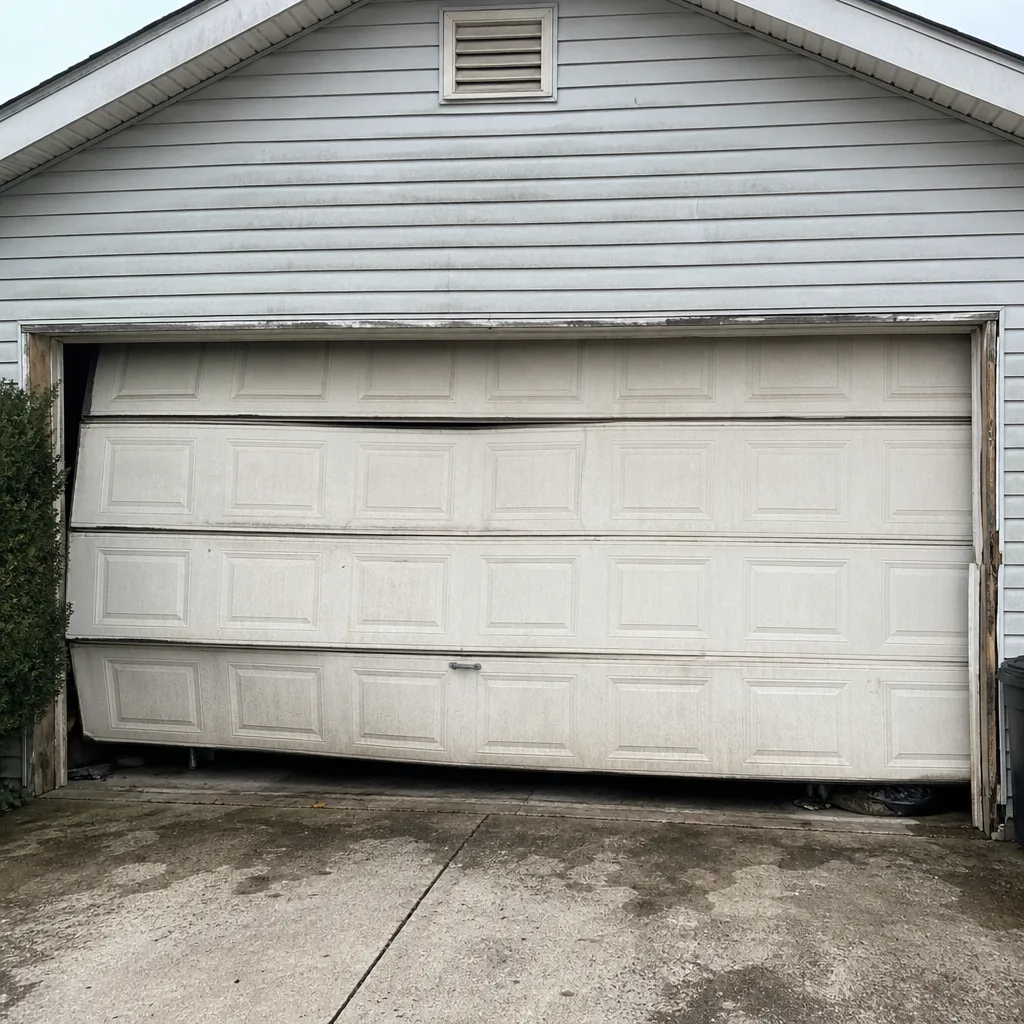 Before
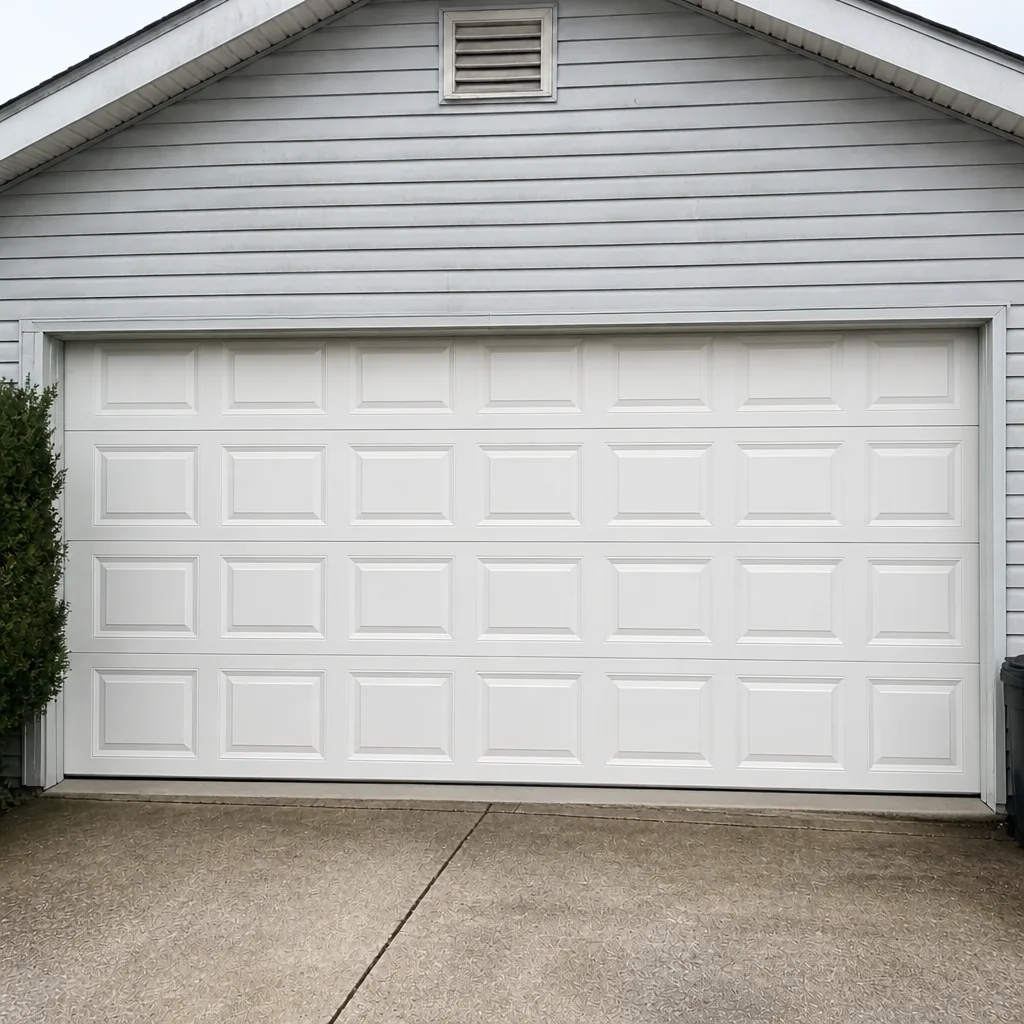 After
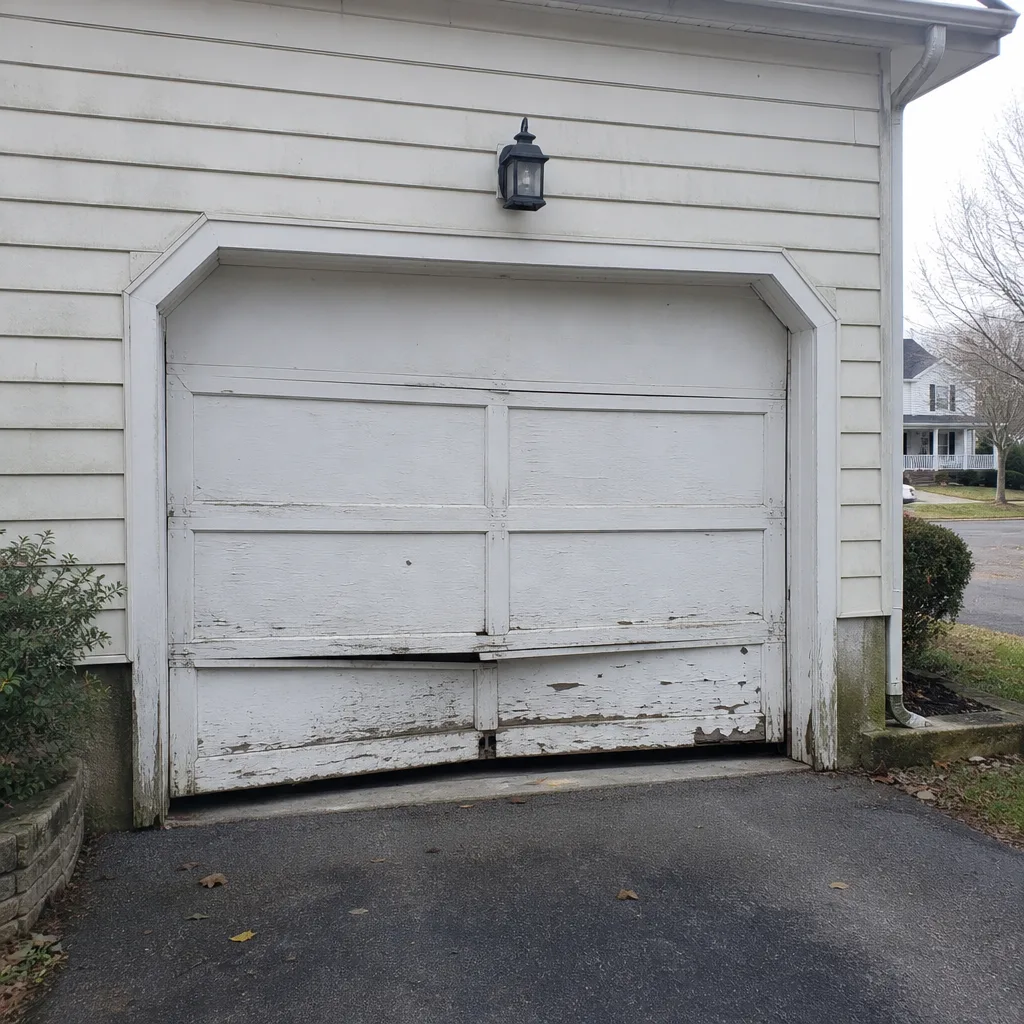 Before
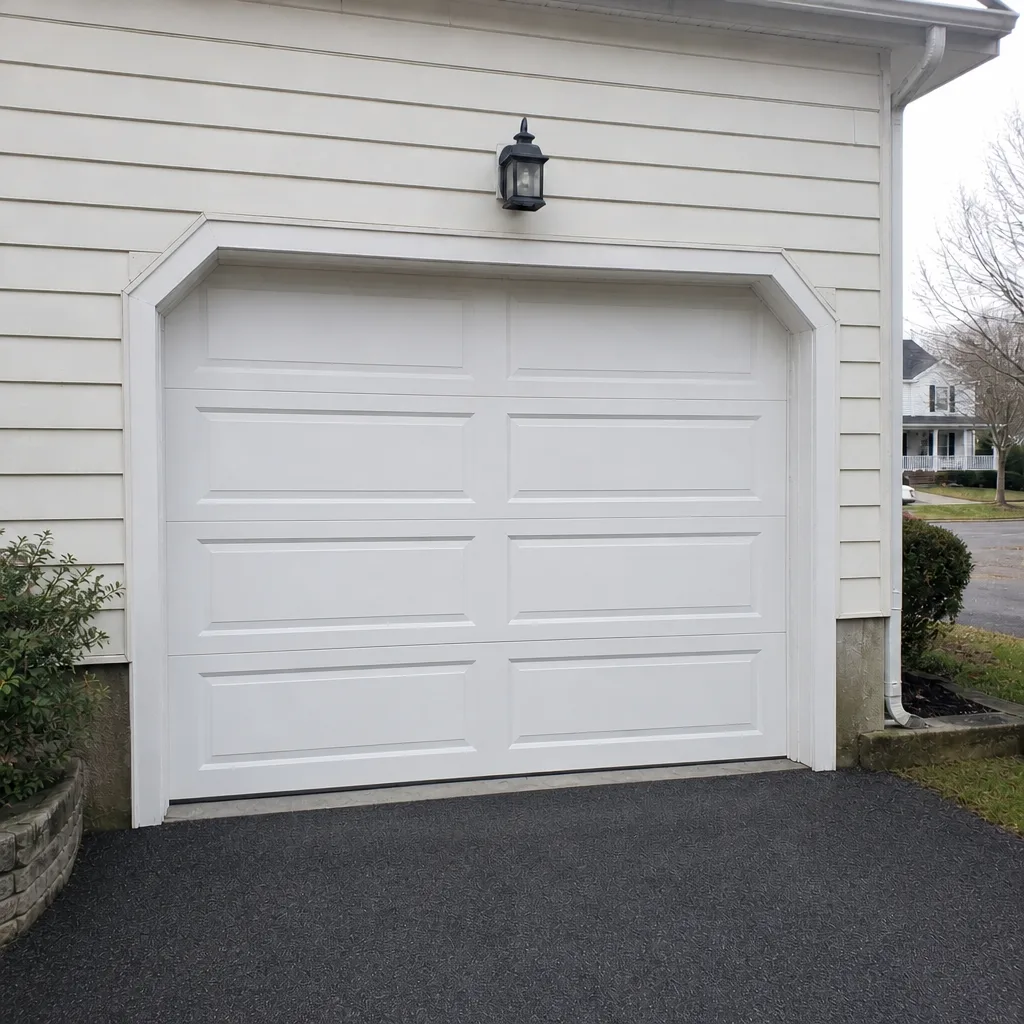 After
When to Call a Professional
Call when the door is open and won’t close, when a spring has broken, when the door is off the track or at an angle, when the opener runs but the door doesn’t move, or when your car is trapped inside and you need it out. Those are the situations where waiting costs more than calling, and some of them are genuinely dangerous to touch. For everything else, a scheduled repair is the right move, and a free estimate will tell you whether it’s worth fixing or better replaced. Garage Door Repair Eldersburg offers free estimates in Eldersburg – call (877) 704-0356. We answer 24/7. Fast dispatch from 7am to 7pm, Sunday through Friday.
Frequently Asked Questions
Keep everyone away from the door, don’t pull the emergency release cord, and don’t try to lift the door by hand. The opener is the only thing holding it up, and disconnecting it can bring the door down. Call (877) 704-0356. We answer 24/7, and a call outside dispatch hours is booked into the next opening, Sunday through Friday, 7am to 7pm.
Yes, if the door is fully closed and undamaged. Pulling it once lets you lift the door by hand so you can get the car out. If the door resists or feels very heavy, stop and leave it closed, because that’s a spring problem rather than a power problem. If you’re not sure, call us and describe it.
Yes. An open door leaves your home exposed to weather and to anyone who wants to walk in, which is why we treat a door that won’t close as an emergency rather than a scheduled repair. Until a technician arrives, you can often secure the door with manual slide locks or locking pliers on the track just above a roller.
The price is set per job by the written estimate you get before any work starts, so the quote is the number you pay. There’s no extra charge for the timing of the work, and the estimate itself is free. Call (877) 704-0356 for an exact quote.
No. We quote before we start, and the work doesn’t begin until you agree to that number. If we find something additional once we’re on-site, we’ll tell you and get your approval before doing anything further. You won’t get an invoice that’s bigger than the quote you agreed to.
The local professionals we connect you with are licensed and insured as their state requires, and the technicians have up to 9 years of experience across the common residential brands, including LiftMaster, Chamberlain, Genie and Clopay. Call (877) 704-0356 to talk through your door. We answer 24/7.
We service equipment from LiftMaster, Chamberlain, Genie, Clopay, Amarr, Wayne Dalton, Craftsman and Raynor. That includes both mechanical and smart-home-integrated openers, so connectivity troubleshooting on modern units is part of the service. You don’t have to find a different company because the tech doesn’t know your brand.
Yes, and for a lot of problems that’s the better choice. If the door still operates, even noisily, book a scheduled repair. If it’s open, stuck, or you’ve heard a spring break, treat it as an emergency and call now.
The Bottom Line
Preparedness, not panic, is what gets you through a garage door failure. Know where your release cord is and when not to pull it. Know how to secure a door that won’t close. Know the difference between an emergency and an urgent repair. And before anything breaks, photograph your door and opener, note the model numbers, and save the number you’ll need at 11pm. The door is the largest moving object in most homes in Eldersburg, and it takes the most load. When it stops, so does your day, so get ahead of it. Free estimates, upfront pricing and a written quote before any work starts: that’s the standard on every job, and it’s why we tell you honestly when a repair can wait. For garage door opener repair or anything else, call us, and if the door is beyond saving we’ll tell you that too.
Ready to get your door back to reliable? Call (877) 704-0356 for your free estimate. You can also read more about the full range of services on our Garage Door Repair Eldersburg page.
Written by the team at Garage Door Repair Eldersburg.